Browse Articles

The use of computer vision to differentiate valley fever from lung cancer via CT scans of nodules

El Kereamy et al. | Nov 12, 2024

The use of computer vision to differentiate valley fever from lung cancer via CT scans of nodules

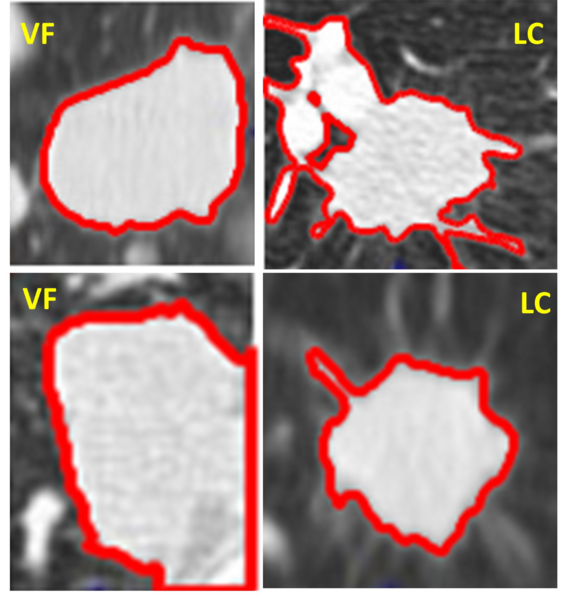
Pulmonary diseases like lung cancer and valley fever pose serious health challenges, making accurate and rapid diagnostics essential. This study developed a MATLAB-based software tool that uses computer vision techniques to differentiate between these diseases by analyzing features of lung nodules in CT scans, achieving higher precision than traditional methods.

Read More...

Unveiling the wound healing potential of umbilical cord derived conditioned medium: an in vitro study

Vasal et al. | Jun 17, 2024

Unveiling the wound healing potential of umbilical cord derived conditioned medium: an <em>in vitro</em> study

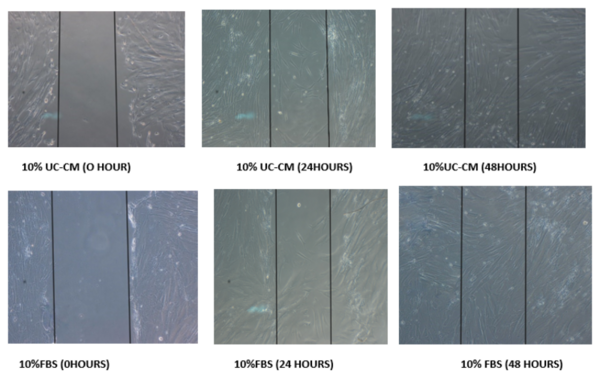
Chronic wounds pose a serious threat to an individual’s health and quality of life. However, due to the severity and morbidity of such wounds, many pre-existing treatments are inefficient or costly. While the use of skin grafts and other such biological constructs in chronic wound healing has already been characterized, the use of umbilical cord tissue has only recently garnered interest, despite the cytokine-rich composition of Wharton’s jelly (cord component). Our current study aimed to characterize the use of an umbilical cord derived conditioned medium (UC-CM) to treat chronic wounds.

Read More...

Investigating facilitated biofilm formation in Escherichia coli exposed to sublethal levels of ampicillin

Yang et al. | Jan 20, 2023

Investigating facilitated biofilm formation in <em>Escherichia coli</em> exposed to sublethal levels of ampicillin

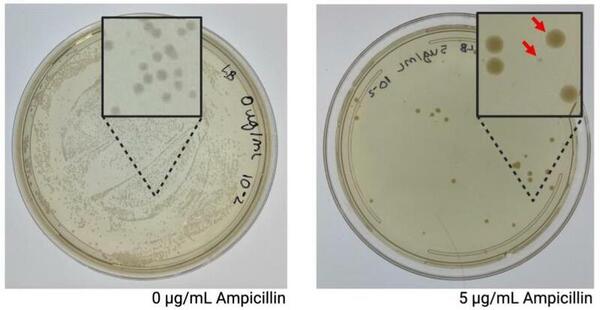
Here, the authors recognized the tendency of bacteria to form biofilms, where this behavior offers protection against threats such as antibiotics. To investigate this, they observed the effects of sublethal exposure of the antibiotic ampicillin on E. coli biofilm formation with an optical density crystal violet assay. They found that exposure to ampicillin resulted in the favored formation of biofilms over time, as free-floating bacteria were eradicated.

Read More...

Pressure and temperature influence the efficacy of metal-organic frameworks for carbon capture and conversion

Lin et al. | May 07, 2023

Pressure and temperature influence the efficacy of metal-organic frameworks for carbon capture and conversion

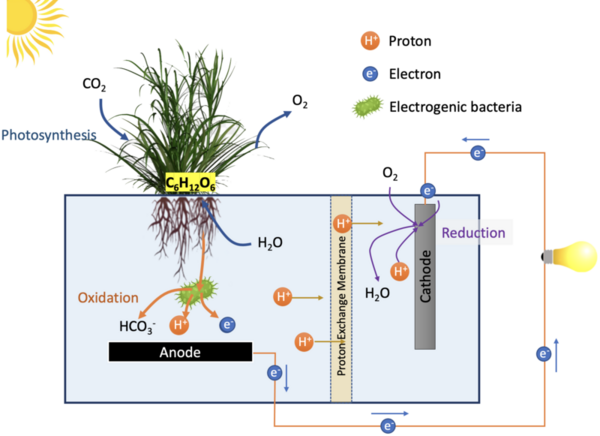
Metal-organic frameworks (MOFs) are promising new nanomaterials for use in the fight against climate change that can efficiently capture and convert CO2 to other useful carbon products. This research used computational models to determine the reaction conditions under which MOFs can more efficiently capture and convert CO2. In a cost-efficient manner, this analysis tested the hypothesis that pressure and temperature affect the efficacy of carbon capture and conversion, and contribute to understanding the optimal conditions for MOF performance to improve the use of MOFs for controlling greenhouse CO2 emissions.

Read More...

Comparative study on three machine learning models in novel autonomous drone-based detection of invasive plant Brassica nigra

Ho et al. | Jul 05, 2026

Comparative study on three machine learning models in novel autonomous drone-based detection of invasive plant <em>Brassica nigra</em>

Autonomous drone imaging combined with machine learning offers a promising approach for early detection of invasive species. In this study, students built an autonomous drone and compared three models: CNN, SGDC, and XGBoost, to identify Brassica nigra from aerial footage. Their results show that CNNs most effectively recognize key visual features, demonstrating strong potential for supporting conservation and invasive plant management.

Read More...