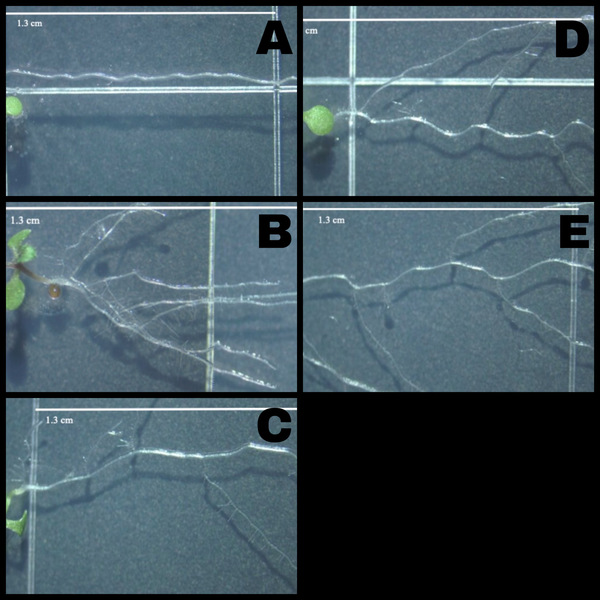
The use of fertilizers is associated with an increase in soil degradation, which is predicted to lead to a decrease in crop production within the next decade. Thus, it is critical to find solutions to support crop production to sustain the robust global population. In this study, the authors investigate how probiotic bacteria, like Rhizobium leguminosarum, Bacillus subtilis and Pseudomonas fluorescens, can impact the growth of Arabidopsis thaliana when applied to the seeds.They hypothesized that solutions with multiple bacterial species compared to those with only a single bacterial species would promote seed germination more effectively.
Read More...Browse Articles
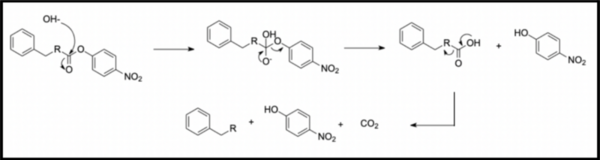
Spectrophotometric comparison of 4-Nitrophenyl carbonates & carbamates as base-labile protecting groups
In organic synthesis, protecting groups are derivatives of reactive functionalities that play a key role in ensuring chemoselectivity of chemical transformations. To protect alcohols and amines, acid-labile tert-butyloxycarbonyl protecting groups are often employed but are avoided when the substrate is acid-sensitive. Thus, orthogonal base-labile protecting groups have been in demand to enable selective deprotection and to preserve the reactivity of acid-sensitive substrates. To meet this demand, we present 4-nitrophenyl carbonates and carbamates as orthogonal base-labile protecting group strategies.
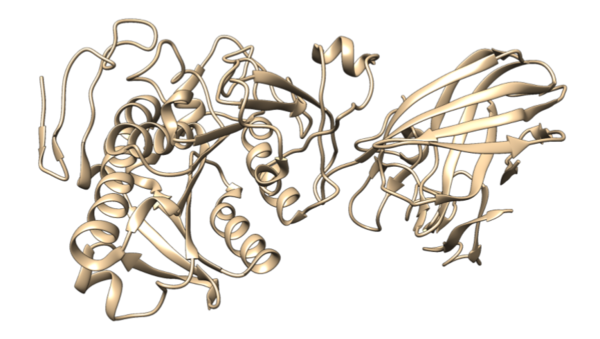
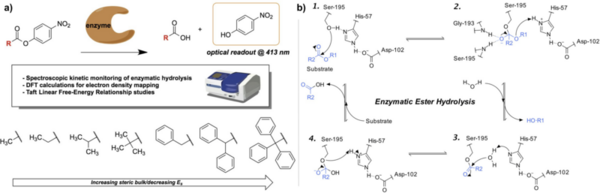
Read More...Taft linear free-energy relationships in the biocatalytic hydrolysis of sterically hindered nitrophenyl ester substrates
This study applies Taft linear free-energy relationships to study kinetic trends in the enzymatic hydrolysis of sterically hindered substrates.
Read More...Using CRISPR technology to inhibit the replication of human cytomegalovirus by deletion of a gene promoter
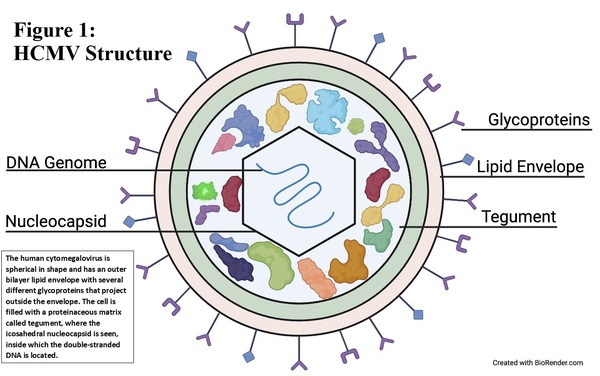
Human cytomegalovirus (HCMV) causes serious infections in immunocompromised patients and therapies to inhibit latent HCMV are not developed. Using CRISPR/Cas9, the authors were able to delete an important promoter region in HCMV.
Read More...Durability of the Continuous Subcutaneous Insulin Infusion (CSII) Patch Adhesive
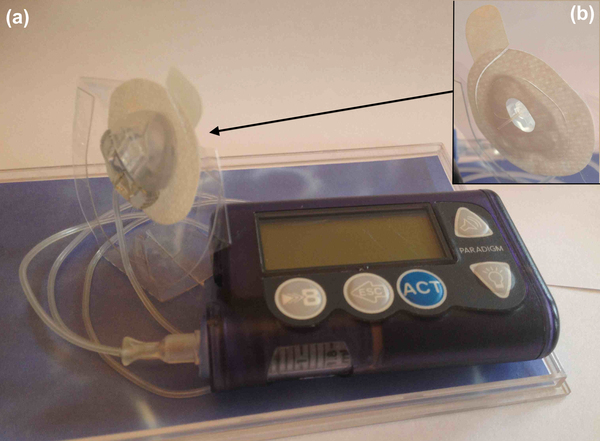
Insulin infusion patches are a common way for diabetics to receive medication. The durability of two different patch adhesives was compared on artificial skin with and without artificial sweat.
Read More...SpottingDiffusion: Using transfer learning to detect Latent Diffusion Model-synthesized images
Synthesis of sodium alginate composite bioplastic films
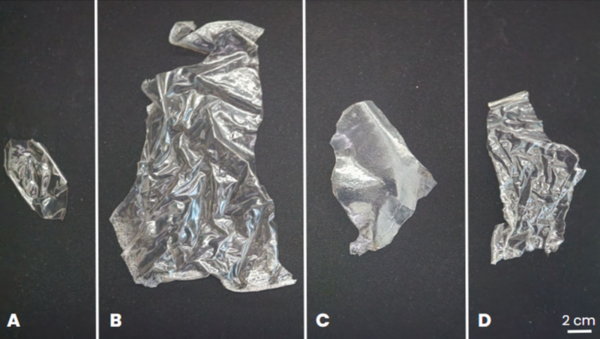
The authors looked at the development of biodegradable bioplastic and its features compared to PET packaging films. They were able to develop a biodegradable plastic with sodium alginate that dissolved in water and degrade in microbial conditions while also being transparent and flexible similar to current plastic films.
Read More...Synthesis of a novel CCR1 antagonist for treatment of glioblastoma
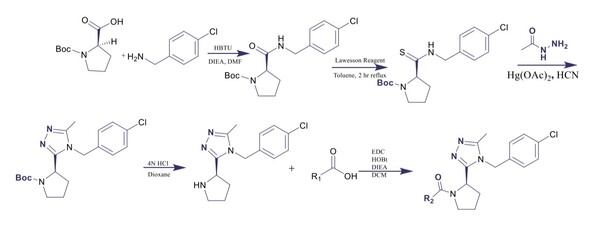
Glioblastoma is a brain cancer caused by the presence of a fast-growing, malignant tumor in the brain. As of now, this cancer is universally lethal due to lack of efficacious treatment options. C-C chemokine receptor 1 (CCR1) is a G-protein coupled receptor that controls chemotaxis, the movement of cells in response to chemical stimuli. This research aims to synthesize potential CCR1 antagonists by coupling carboxylic acids with a triazole core. We synthesized these compounds using a simple carboxylic acid coupling and confirmed the identity of the final compounds using nuclear magnetic resonance (NMR) spectroscopy.
Read More...Efficient synthesis of superabsorbent beads using photopolymerization with a low-cost method
Superabsorbent beads are remarkable, used throughout our daily lives for various practical applications. These beads, as suggested by their name, possess a unique ability to absorb and retain large quantities of liquids. This characteristic of absorbency makes them essential throughout the medical field, agriculture, and other critical industries as well as in everyday products. To create these beads, the process of photopolymerization is fast growing in favor with distinct advantages of cost efficiency, speed, energy efficiency, and mindfulness towards the environment. In this article, researchers explore the pairing of cheap monomers with accessible equipment for creation of superabsorbent beads via the photopolymerization process. This research substantially demonstrates the successful application of photopolymerization in producing highly absorbent beads in a low-cost context, thereby expanding the accessibility of this process for creating superabsorbent beads in both research and practical applications.
Read More...Copper nanoparticle synthesis using Picea glauca ‘Conica’
The authors propose a method to recycle Christmas tree needles into a non-toxic reducing agent for synthesizing copper nanoparticles.
Read More...