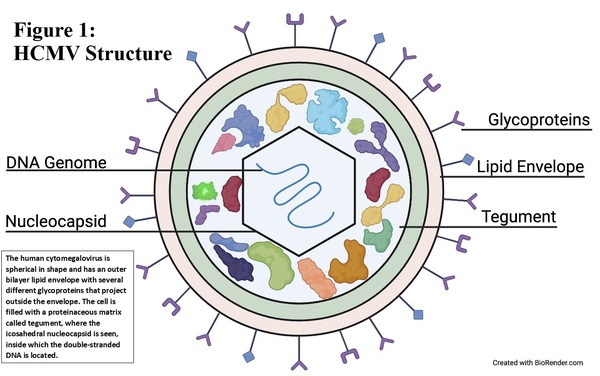
Human cytomegalovirus (HCMV) causes serious infections in immunocompromised patients and therapies to inhibit latent HCMV are not developed. Using CRISPR/Cas9, the authors were able to delete an important promoter region in HCMV.
Read More...Using CRISPR technology to inhibit the replication of human cytomegalovirus by deletion of a gene promoter
Human cytomegalovirus (HCMV) causes serious infections in immunocompromised patients and therapies to inhibit latent HCMV are not developed. Using CRISPR/Cas9, the authors were able to delete an important promoter region in HCMV.
Read More...How are genetically modified foods discussed on TikTok? An analysis of #GMOFOODS

Here, the authors investigated engagement with #GMOFOODS, a hashtag on TikTok. They hypothesized that content focused on the negative effects of genetically modified organisms would receive more interaction driven by consumers. They found that the most common cateogry focused on the disadvantages of GMOs related to nutrition and health with the number of views determining if the video would be provided to users.
Read More...Characterizing the evolution of antibiotic resistance in commercial Lactobacillus strains
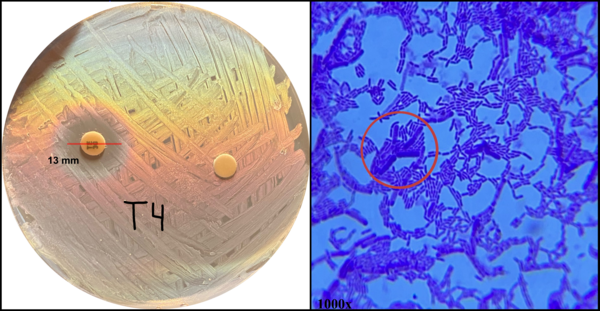
In this study, the authors studied the ability for bacteria to develop antibiotic resistance over successive generations and modeled the trajectory to predict how antibiotic resistance is developed.
Read More...Plasmid Variance and Nutrient Regulation of Bioluminescence Genes
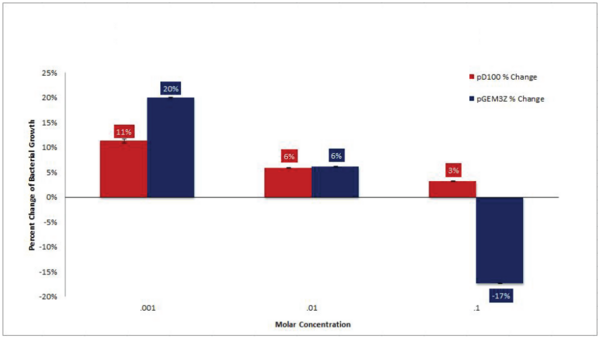
Numerous organisms, including the marine bacterium Aliivibrio fischeri, produce light. This bioluminescence is involved in many important symbioses and may one day be an important source of light for humans. In this study, the authors investigated ways to increase bioluminescence production from the model organism E. coli.
Read More...Innovative use of recycled textile fibers in building materials: A circular economy approach
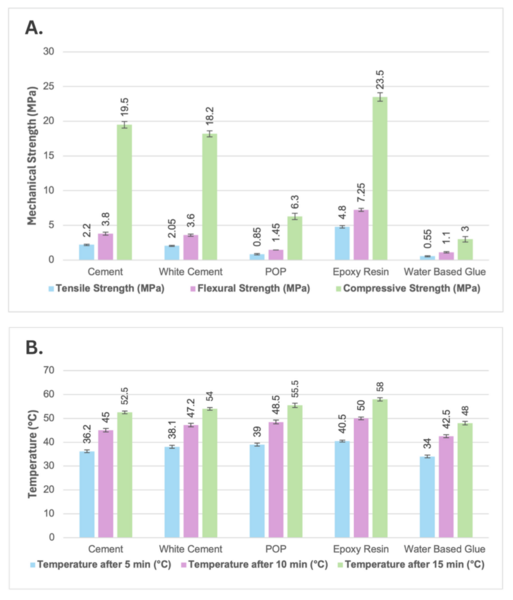
Textile waste from the fashion industry is a major environmental pollutant, but recycling waste into novel building material is a strategy to reduce the negative effects. This manuscript characterized five different binders that can be used to repurpose textile waste into bricks for construction purposes. Water-based glue, cement, white cement, plaster of Paris, and epoxy resin were mixed with shredded textile waste, and the mechanical characteristics and thermal insulation of each brick type were measured. Bricks with increased mechanical strength had the poorest thermal resistance, and the contrasting properties would suit different building purposes. This work provides a first step in generating recycled textile bricks for construction in a circular economy framework.
Read More...Optimal pH for indirect electrochemical oxidation of isopropyl alcohol with Ru-Ti anode and NaCl electrolyte

In this study, the authors determine optimal pH levels for maximizing isopropanol degradation in water. This has important applications for cleaning up polluted wastewater in the environment.
Read More...Monitoring the formation of polyurethane foams with an infrared camera: Classroom activity
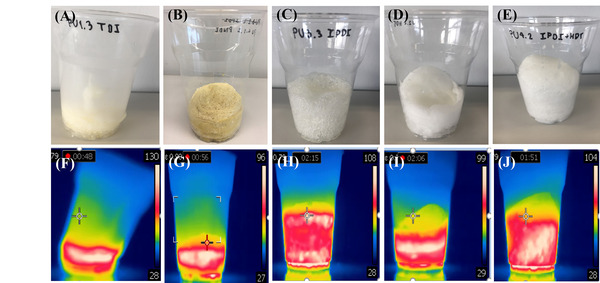
In this study, the authors utilize an infrared camera to visualize and investigate the exothermic reaction of polyurethane foam, which has many everyday uses including automotive seats, bedding, and insulation.
Read More...Predicting Orbital Resonance of 2867 Šteins Using the Yarkovsky Effect
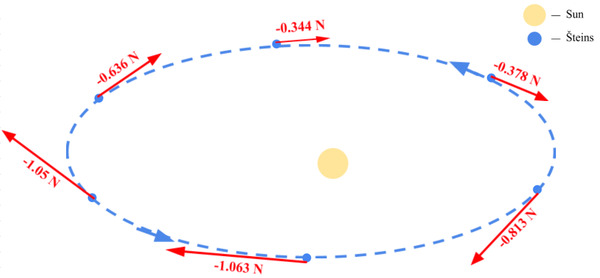
In this study, the impact of thermal effects on the orbit of an asteroid is investigated. This included determining if the asteroid's orbit would push into a region devoid of asteroids due to the gravitational pull of Jupiter.
Read More...Effects of Coolant Temperature on the Characteristics of Soil Cooling Curve
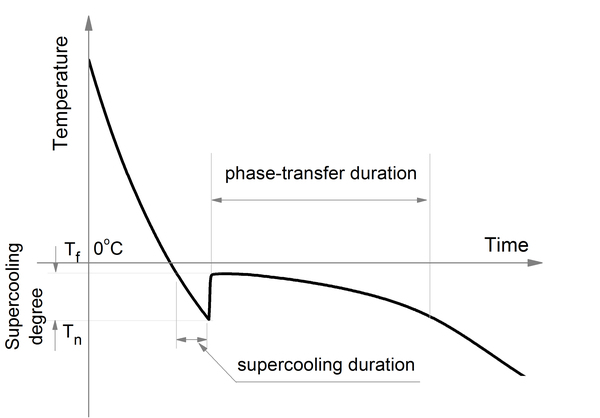
In this article, the authors investigate whether coolant temperature affects soil cooling curves of soil with otherwise identical properties. The coolant temperature is representative of environmental temperature, and the authors hypothesized that differences in this temperature would not affect the freezing temperature of soil. Their findings validated their hypothesis providing helpful information relevant to understanding how frost heaves happen and how to predict their occurrence more accurately.
Read More...Distribution of prophages in the Streptococcus bacteria genus and their role in increasing host pathogenicity
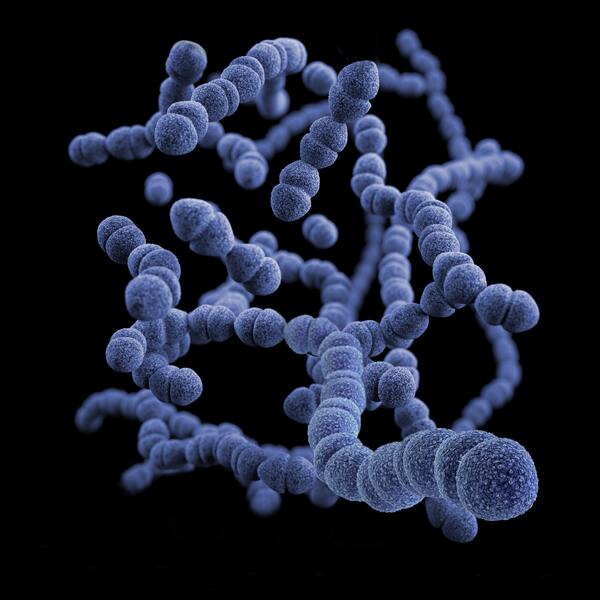
The authors investigated prophages present in Streptococcus bacteria that may increase their survival in different environments.
Read More...