Browse Articles

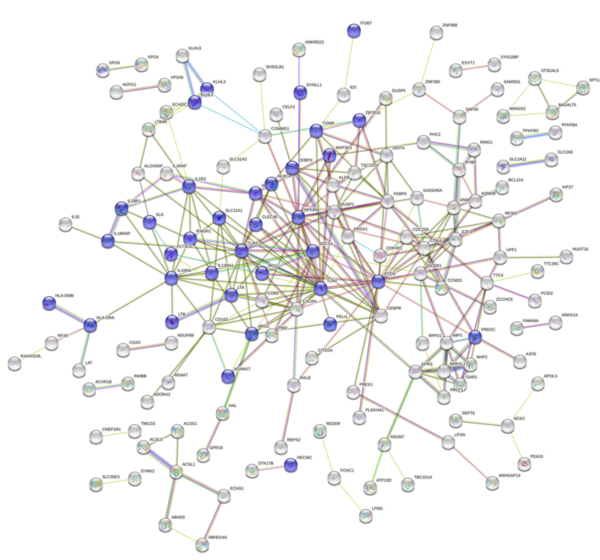
Aberrant response to dexamethasone suppression test associated with inflammatory response in MDD patients

Ulery et al. | Nov 06, 2023

Aberrant response to dexamethasone suppression test associated with inflammatory response in MDD patients

Major depressive disorder (MDD) is a prevalent mood disorder. The direct causes and biological mechanisms of depression still elude understanding, though genetic factors have been implicated. This study looked to identify the mechanism behind the aberrant response to the dexamethasone suppression test (DST) displayed by MDD patients, in which they display a lack of cortisol suppression. Analysis revealed several pro-inflammatory genes that were significant and differentially expressed between affected and non-affected groups in response to the DST. Looking at ways to decrease the inflammatory response could have implications for treatment and may explain why some people treated for depression still display symptoms or may lead researchers to different classes of drugs for treatment.

Read More...

A novel filtration model for microplastics using natural oils and its application to the environment

Park et al. | Jun 27, 2022

A novel filtration model for microplastics using natural oils and its application to the environment

Recognizing the need for a method to filter microplastics from polluted water the authors sought to use nonpolar solvents, palm oil and palm kernel oil, to filter microplastics out of model seawater. By relying on the separation of polar and nonpolar solvents followed by freezing the nonpolar solvent, they reported that microplastics could be extracted with percentages ranging from 96.2% to 94.2%. They also provided an estimation to use this method as part of container ships to clean the Pacific Ocean of microplastics.

Read More...

Zinc-related Treatments Combined with Chloroquine and Gemcitabine for Treating Pancreatic Cancer

Ma et al. | Sep 11, 2021

Zinc-related Treatments Combined with Chloroquine and Gemcitabine for Treating Pancreatic Cancer

Pancreatic cancer is one of the deadliest cancers, with a 10% 5-year survival rate. The authors studied various dosages of TPEN and zinc in combination with Chloroquine and Gemcitabine as treatments to reduce cell proliferation. Results showed that when combined with Chloroquine and Gemcitabine, zinc and TPEN both significantly lowered cell proliferation compared to Gemcitabine, suggesting a synergistic effect that resulted in a more cytotoxic treatment. Further research and clinical trials on this topic are needed to determine whether this could be a viable treatment for pancreatic cancer.

Read More...

The analysis of the viral transmission and structural interactions between the HIV-1 envelope glycoprotein and the lymphocyte receptor integrin α4β7

Ganesh et al. | Apr 28, 2021

The analysis of the viral transmission and structural interactions between the HIV-1 envelope glycoprotein and the lymphocyte receptor integrin α4β7

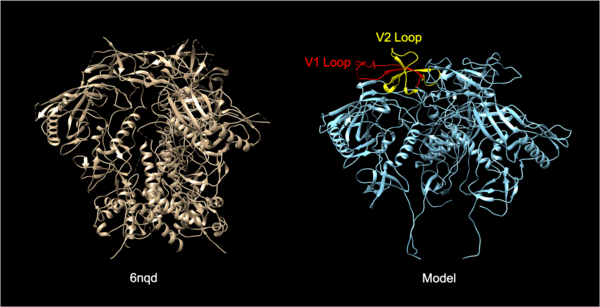
The Human Immunodeficiency Virus (HIV) infects approximately 40 million people globally, and one million people die every year from Acquired Immune Deficiency Syndrome (AIDS)-related illnesses. This study examined the interactions between the HIV-1 envelope glycoprotein gp120 and the human lymphocyte receptor integrin α4β7, the putative first long-range receptor for the envelope glycoprotein of the virus in mucosal tissues. Presented data support the claim that the V1 loop is involved in the binding between α4β7 and the HIV-1 envelope glycoprotein through molecular dockings.

Read More...

Young People Drinking: The Effect of Group Size on Drinking Habits

Palermo et al. | May 10, 2018

Young People Drinking: The Effect of Group Size on Drinking Habits

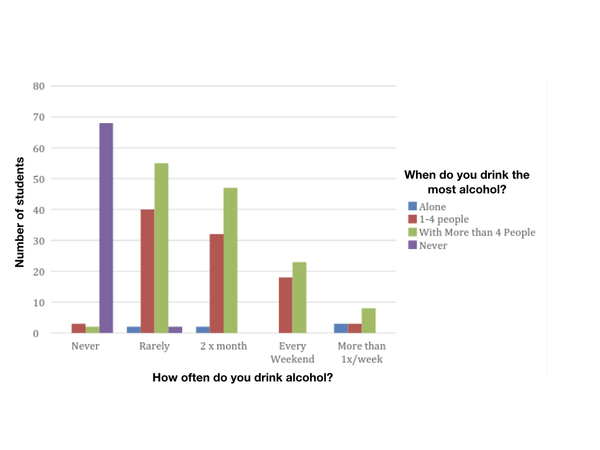
Palermo et al. examined the effect of group size on drinking habits of college and high school students. The authors found that both high school and college students tended to consume the most alcohol in group sizes of 4 or more, independent of how frequently they drink. They also found that the proportion of college students that drink is nearly twice the proportion of high school students that drink. This study supports previous findings that underage drinking happens in large groups and suggests that effective intervention in underage drinking would be at the group level.

Read More...

Music's Effect on Dogs' Heart Rates

Aubin et al. | Oct 03, 2017

Music's Effect on Dogs' Heart Rates

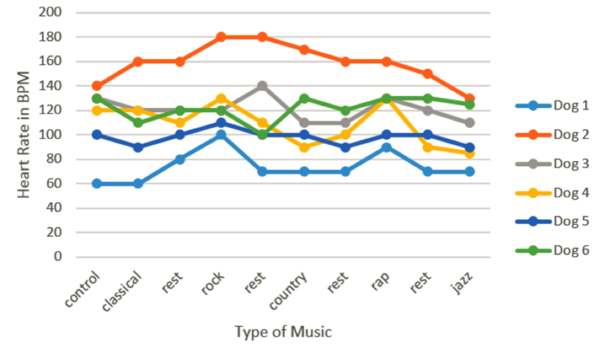
Music can affect the behavior of humans and other animals. In this study, the authors studied five types of music with different tempos and demonstrated how each one affected dogs' heart rates.

Read More...

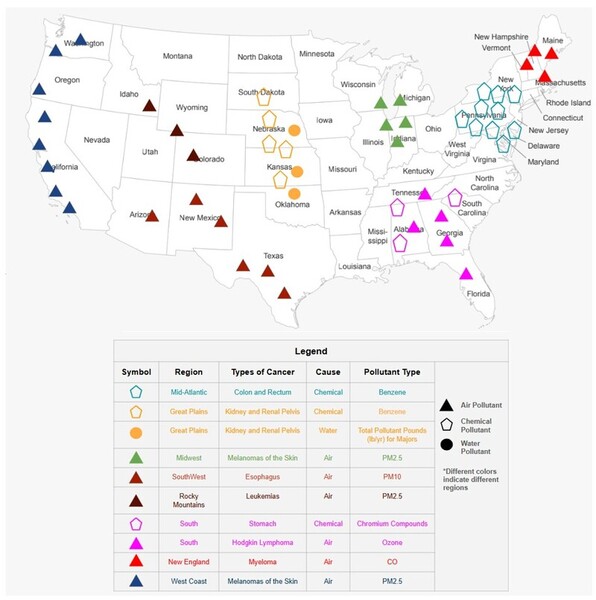
Understanding the correlation between various pollutants and cancer across geographical clusters in the U.S.

Naik et al. | Sep 12, 2026

Understanding the correlation between various pollutants and cancer across geographical clusters in the U.S.

Here the authors investigate the relationship between environmental pollutants and cancer incidence rates across various geographical clusters in the United States from 2018 to 2020. By calculating Pearson correlation coefficients and t-statistics on CDC and EPA data, they demonstrated a strong correlation between specific pollutants and various cancers, offering insights that could help explain regional disparities in cancer rates and aid in preventing premature deaths.

Read More...

Fundamental understanding on the dynamic reactions of liquid gallium with aluminum

Li et al. | Sep 11, 2026

Fundamental understanding on the dynamic reactions of liquid gallium with aluminum
Image credit: David Hofmann

This study investigates the dynamic reaction between liquid gallium and aluminum, which poses a challenge when using high-performance gallium-rich thermal interface materials for electronic cooling. Through the usage of in-situ microscopy, we show that while aluminum oxide coatings slow gallium-induced damage, nanometer-thick iridium coatings effectively prevent reaction and surface degradation at device-operating temperatures. These findings highlight a promising thermal-cooling architecture for extending the lifespan and reliability of high-power electronic heat dissipation systems.

Read More...