Browse Articles

Indoor near-field target detection characteristics under radio and radar joint operation at 2.4 GHz ISM band

Koh et al. | Apr 29, 2022

Indoor near-field target detection characteristics under radio and radar joint operation at 2.4 GHz ISM band

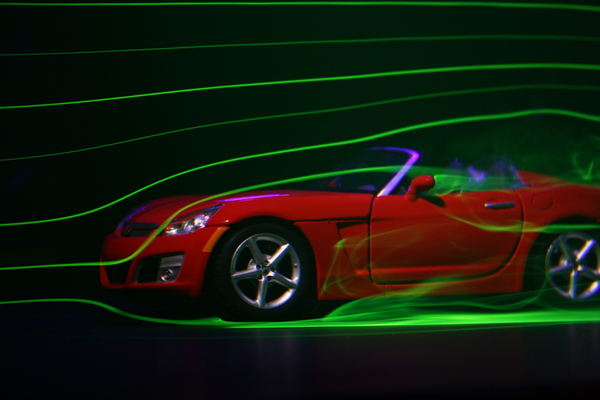
In our modern age, the burgeoning use of radios and radars has resulted in competition for electromagnetic spectrum resources. With recent research highlighting solutions to radio and radar mutual interference, there is a desperate need for a cost-effective configuration that permits a radar-radio joint system. In this study, the authors have set out to determine the feasibility of using single-tone continuous-wave radars in a radar-joint system. With this system, they aim to facilitate cost-effective near-field target detection by way of the popularized 2.4-GHz industrial, scientific, and medical (ISM) band.

Read More...

Measuring Exoplanetary Radii Using Transit Photometry

Tang et al. | May 07, 2019

Measuring Exoplanetary Radii Using Transit Photometry

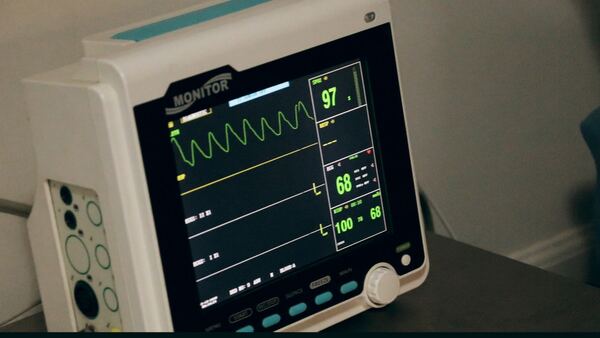
Studying exoplanets, or planets that orbit a star other than the Sun, is critical to a greater understanding the formation of planets and how Earth's solar system differs from others. In this study the authors analyze the transit light curves of three hot Jupiter exoplanets to ultimately determine if and how these planets have changed since their discovery.

Read More...

A five-year retrospective analysis of Tuberculosis risk factors and their variability in the United States

Kini et al. | Mar 14, 2026

A five-year retrospective analysis of Tuberculosis risk factors and their variability in the United States
Image credit: Kini, Diaz Gaviria, Diaz, and Kini

The main goal of this study is to determine what demographics are related to tuberculosis incidence in the United States populations, particularly if changing demographics are related to differences in tuberculosis risk over two discrete time periods. The major finding is that in the two studied time periods, tuberculosis risk factors were somewhat consistent and may be influenced by things such as immigration, healthcare access, and race or ethnicity, although the top predictor did change.

Read More...

Innovative use of recycled textile fibers in building materials: A circular economy approach

Gupta et al. | Feb 19, 2026

Innovative use of recycled textile fibers in building materials: A circular economy approach
Image credit: Gupta and Gupta

Textile waste from the fashion industry is a major environmental pollutant, but recycling waste into novel building material is a strategy to reduce the negative effects. This manuscript characterized five different binders that can be used to repurpose textile waste into bricks for construction purposes. Water-based glue, cement, white cement, plaster of Paris, and epoxy resin were mixed with shredded textile waste, and the mechanical characteristics and thermal insulation of each brick type were measured. Bricks with increased mechanical strength had the poorest thermal resistance, and the contrasting properties would suit different building purposes. This work provides a first step in generating recycled textile bricks for construction in a circular economy framework.

Read More...