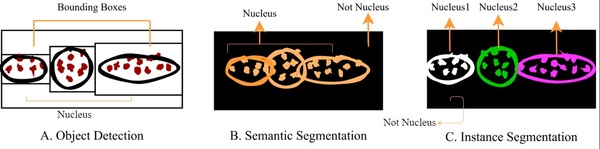
Cell segmentation is the task of identifying cell nuclei instances in fluorescence microscopy images. The goal of this paper is to benchmark the performance of representative deep learning techniques for cell nuclei segmentation using standard datasets and common evaluation criteria. This research establishes an important baseline for cell nuclei segmentation, enabling researchers to continually refine and deploy neural models for real-world clinical applications.
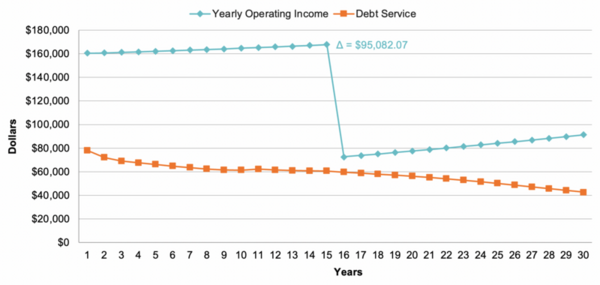
Global reliance on extractive energy sources has many downsides, among which are inconsistent supply and consequent price volatility that distress companies and consumers. It is unclear if renewable energy offers stable and affordable solutions to extractive energy sources. The cost of solar energy generation has decreased sharply in recent years, prompting a surge of installations with a range of financing options. Even so, most existing options require upfront payment, making installation inaccessible for towns with limited financial resources. The primary objective of our research is to examine the use of green bonds to finance solar energy systems, as they eliminate the need for upfront capital and enable repayment through revenue generated over time. We hypothesized that if we modeled the usage of green bonds to finance the installation of a solar energy system in New Jersey, then the revenue generated over the system’s lifetime would be enough to repay the bond. After modeling the financial performance of a proposed solar energy-producing carport in Madison, New Jersey, financed with green bonds, we found that revenue from solar energy systems successfully covered the annual green bond payments and enabled the installers to obtain over 50% of the income for themselves. Our research demonstrated green bonds as a promising option for New Jersey towns with limited financial resources seeking to install solar energy systems, thereby breaking down a financial barrier.
This study developed an effective method for extracting valuable information from social media data and employed computer-assisted human coding alongside the AI-powered tool to analyze social media posts. The findings provide a deep understanding of the major challenges that home health care workers are experiencing and offer important implications regarding how to improve home healthcare workers' well-being, and provide suggestions on optimizing the home health care service experience.
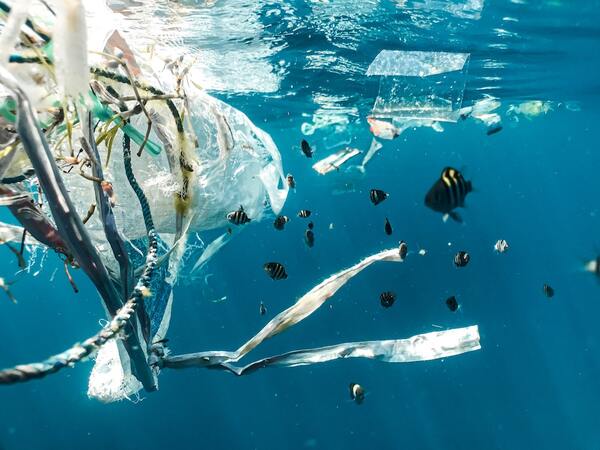
Recognizing the need for a method to filter microplastics from polluted water the authors sought to use nonpolar solvents, palm oil and palm kernel oil, to filter microplastics out of model seawater. By relying on the separation of polar and nonpolar solvents followed by freezing the nonpolar solvent, they reported that microplastics could be extracted with percentages ranging from 96.2% to 94.2%. They also provided an estimation to use this method as part of container ships to clean the Pacific Ocean of microplastics.
Cannabidiol (CBD) is a chemical extracted from cannabis and shown by some studies to alleviate the symptoms of many mental disorders, especially major depressive disorder. The authors hypothesized that chronic treatments with purified CBD through oral administration would relieve depression-associated behaviors in normal healthy rats under adverse conditions. A statistical analysis of the experimental data suggested that long-term consumption of CBD could elicit depression associated symptoms in normal rats without depression. The results imply that people should consume CBD-containing products with extreme caution and highlight the need to carefully monitor the use of CBD in health care products.
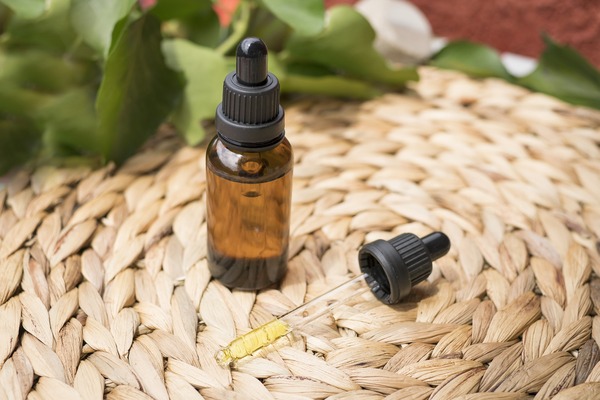
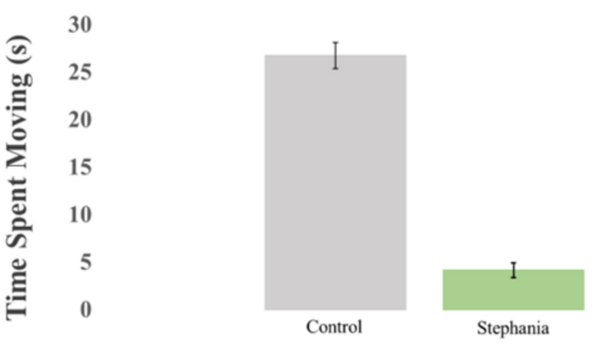
In this study the authors looked at the extract of Stephania tetrandra and its impact on symptoms related to obsessive compulsive disorder in fruit flies.
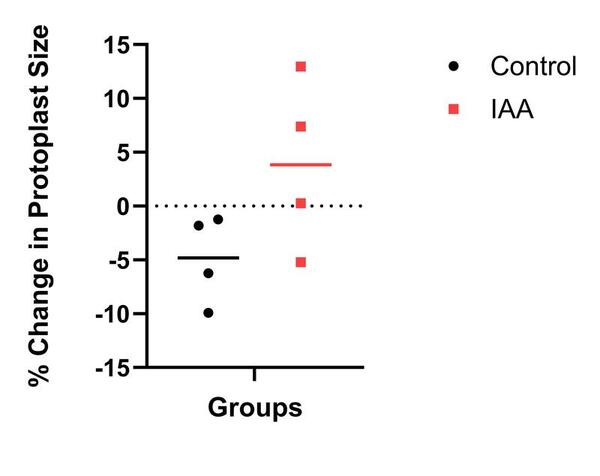
This study explores auxin signaling in Chlorella vulgaris, a green alga with potential for sustainable biofuel and food production. Evidence from protoplast swelling experiments suggests that C. vulgaris secretes auxin and possesses auxin import proteins, highlighting previously uncharacterized signaling pathways. These findings could support more efficient cultivation and resource extraction strategies.
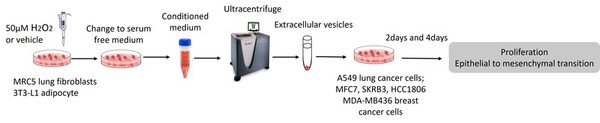
This paper hypothesized that the tumor microenvironment mediates cancer’s response to oxidative stress by delivering extracellular vesicles to cancer cells. Breast and lung cancer cells were treated with EVs, reavealing that EVs extracted from oxidatively stressed adipocytes increased the cell proliferation of breast cancer cells. These findings present a novel way that the TME influences cancer progression.
Anti-diabetic drugs like Metformin are known to increase gut permeability, and this has a negative impact on patient health. These authors hypothesized that this can be mitigated using purple sweet potato extract, which is high anthocyanin content, that feeds bacteria metabolism to decrease gut permeability.

%20final%202-5-23.jpg)