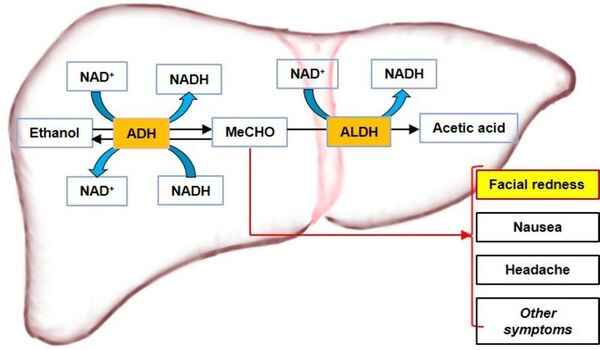
The authors test the activity of two purified human alcohol detoxification enzymes, alcohol dehydrogenase and aldehyde dehydrogenase.
Read More...Recombinant preparation and characterization of ADH1C and ALDH2 in alcohol metabolism
The authors test the activity of two purified human alcohol detoxification enzymes, alcohol dehydrogenase and aldehyde dehydrogenase.
Read More...Utilizing a Wastewater-Based Medium for Engineered Saccharomyces cerevisiae for the Biological Production of Fatty Alcohols and Carboxylic Acids to Replace Petrochemicals
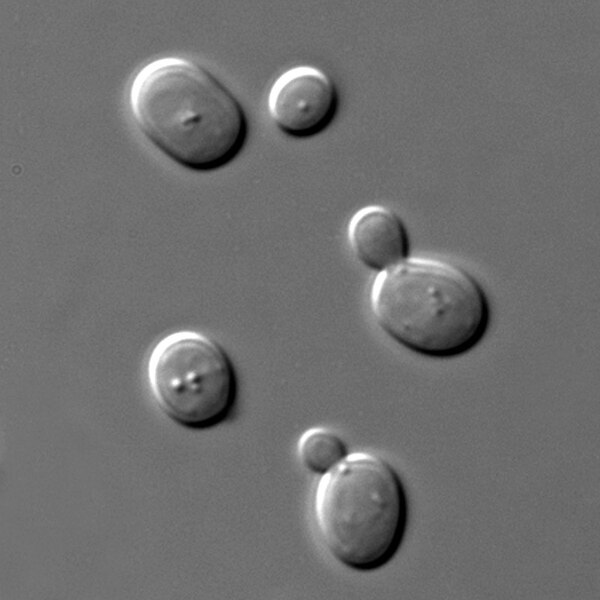
Saccharomyces cerevisiae yeast is used to produce bioethanol, an alternative to fossil fuels. In this study, authors take advantage of this well studied yeast by genetically engineering them to increase fatty acid biosynthesis and culturing in a cost-effective wastewater based medium; potentially providing a sustainable alternative to petrochemicals.
Read More...Pressure and temperature influence the efficacy of metal-organic frameworks for carbon capture and conversion
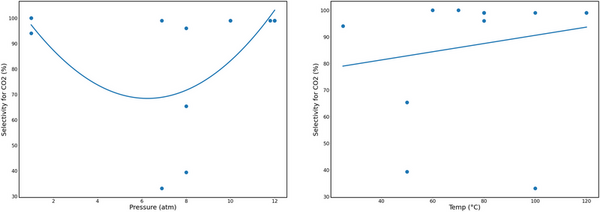
Metal-organic frameworks (MOFs) are promising new nanomaterials for use in the fight against climate change that can efficiently capture and convert CO2 to other useful carbon products. This research used computational models to determine the reaction conditions under which MOFs can more efficiently capture and convert CO2. In a cost-efficient manner, this analysis tested the hypothesis that pressure and temperature affect the efficacy of carbon capture and conversion, and contribute to understanding the optimal conditions for MOF performance to improve the use of MOFs for controlling greenhouse CO2 emissions.
Read More...Investigating Hydrogen as a Potential Alternative to Kerosene in Fueling Commercial Aircraft
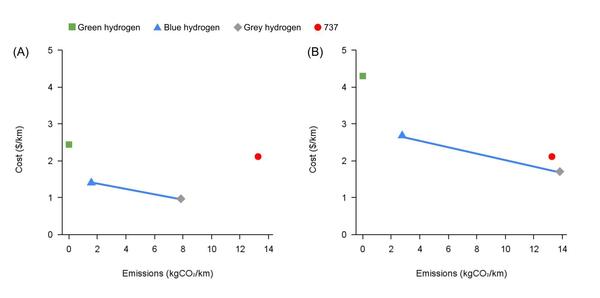
Growing climate concerns have intensified research into zero-emission transportation fuels, notably hydrogen. Hydrogen is considered a clean fuel because its only major by-product is water. This project analyzes how hydrogen compares to kerosene as a commercial aircraft fuel with respect to cost, CO2 emissions, and flight range.
Read More...Strain selective in vitro and in silico structure activity relationship of tetracycline antibiotics
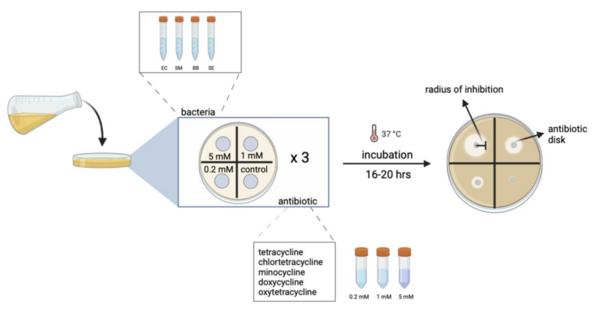
The authors looked at four members of the tetracycline antibiotic family/class against four different species of bacteria.
Read More...