Browse Articles

Aberrant response to dexamethasone suppression test associated with inflammatory response in MDD patients

Ulery et al. | Nov 06, 2023

Aberrant response to dexamethasone suppression test associated with inflammatory response in MDD patients

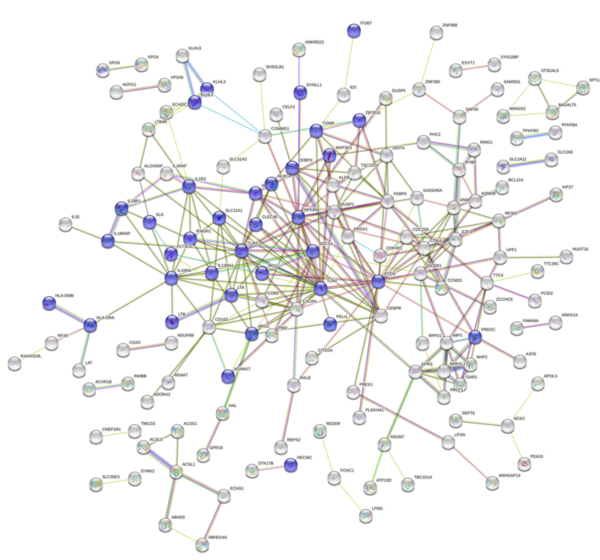
Major depressive disorder (MDD) is a prevalent mood disorder. The direct causes and biological mechanisms of depression still elude understanding, though genetic factors have been implicated. This study looked to identify the mechanism behind the aberrant response to the dexamethasone suppression test (DST) displayed by MDD patients, in which they display a lack of cortisol suppression. Analysis revealed several pro-inflammatory genes that were significant and differentially expressed between affected and non-affected groups in response to the DST. Looking at ways to decrease the inflammatory response could have implications for treatment and may explain why some people treated for depression still display symptoms or may lead researchers to different classes of drugs for treatment.

Read More...
Idotea balthica comparison: Anatomy, locomotion, and seaweed preference of Massachusetts isopods

Yee et al. | Feb 17, 2022

<em>Idotea balthica</em> comparison: Anatomy, locomotion, and seaweed preference of Massachusetts isopods

Here the authors examined a population of Massachusetts marine isopods, seeking to classify them based on comparison of their morphology, movement, and seaweed preference compared to those of known species. In this process they found that they were most similar to Idotea balthica. The authors suggest that this knowledge combined with monitoring populations of marine biology such as these isopods in different physical and ecological areas can provide useful insight into the effects of climate change.

Read More...

Leveraging E-Waste to Enhance Water Condensation by Effective Use of Solid-state Thermoelectric Cooling

Joshi et al. | Dec 02, 2020

Leveraging E-Waste to Enhance Water Condensation by Effective Use of Solid-state Thermoelectric Cooling

Water scarcity affects upwards of a billion people worldwide today. This project leverages the potential of capturing humidity to build a high-efficiency water condensation device that can generate water and be used for personal and commercial purposes. This compact environment-friendly device would have low power requirements, which would potentially allow it to utilize renewable energy sources and collect water at the most needed location.

Read More...

The Effect of the Human MeCP2 gene on Drosophila melanogaster behavior and p53 inhibition as a model for Rett Syndrome

Ganga et al. | Sep 07, 2020

The Effect of the Human <i>MeCP2</i> gene on <i>Drosophila melanogaster</i> behavior and p53 inhibition as a model for Rett Syndrome

In this study, the authors observe if the symptoms of Rett Syndrome, a neurodegenerative disease in humans, are reflected in Drosophila melanogaster. This was achieved by differentiating the behavior and physical aspects of wild-type flies from flies expressing the full-length MeCP2 gene and the mutated MeCP2 gene (R106W). After conducting these experiments, some of the Rett Syndrome symptoms were recapitulated in Drosophila, and a subset of those were partially ameliorated by the introduction of pifithrin-alpha.

Read More...

Upregulation of the Ribosomal Pathway as a Potential Blood-Based Genetic Biomarker for Comorbid Major Depressive Disorder (MDD) and PTSD

Ravi et al. | Aug 22, 2018

Upregulation of the Ribosomal Pathway as a Potential  Blood-Based Genetic Biomarker for Comorbid Major Depressive Disorder (MDD) and PTSD

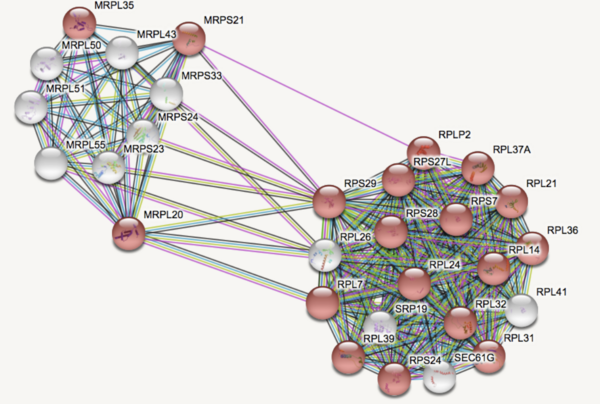
Major Depressive Disorder (MDD), and Post-Traumatic Stress Disorder (PTSD) are two of the fastest growing comorbid diseases in the world. Using publicly available datasets from the National Institute for Biotechnology Information (NCBI), Ravi and Lee conducted a differential gene expression analysis using 184 blood samples from either control individuals or individuals with comorbid MDD and PTSD. As a result, the authors identified 253 highly differentially-expressed genes, with enrichment for proteins in the gene ontology group 'Ribosomal Pathway'. These genes may be used as blood-based biomarkers for susceptibility to MDD or PTSD, and to tailor treatments within a personalized medicine regime.

Read More...