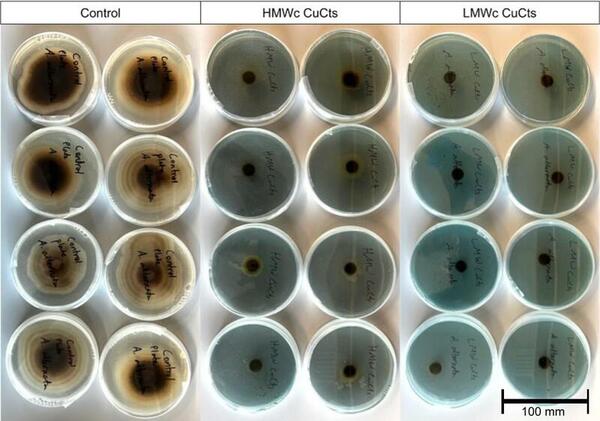
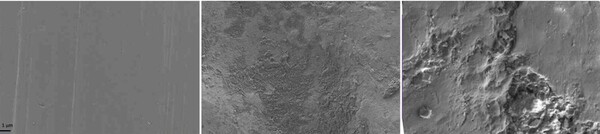
Pathogenic fungi such as Alternaria alternata (A. alternata) can decimate crop yields and severely limit food supplies when left untreated. Copper chitosan (CuCts) is a promising alternative fungicide for developing agricultural areas due to being inexpensive and nontoxic. We hypothesized that LMWc CuCts would exhibit greater fungal inhibition due to the beneficial properties of LMWc.
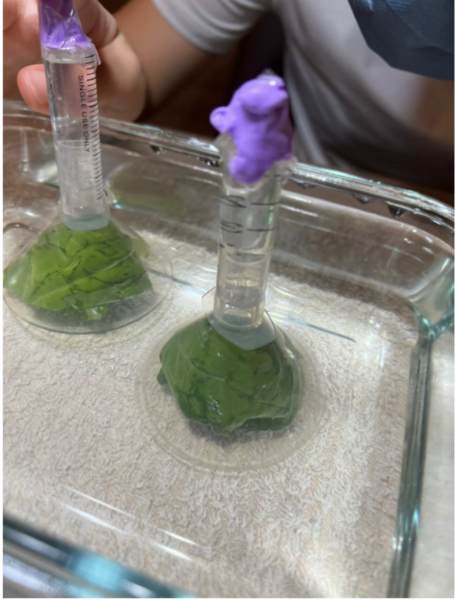
The burning of fossil fuels, leading to an increased amount of carbon emissions, is the main cause of acid rain. Acid rain affects the process of photosynthesis, which makes the topic valuable to investigate. Our group utilizes plants to further investigate the relationship between pH value and photosynthesis. In this experiment, our group hypothesized that rain with a lower pH will decrease the rate of photosynthesis, causing less oxygen to be produced in the reaction.
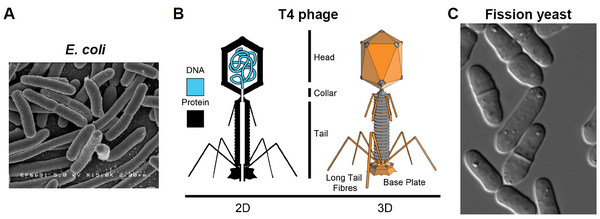
Phage therapy has been suggested as an alternative to antibiotics because bacteria resistant to antibiotics may still be susceptible to phages. However, phages may have limited effectiveness in combating bacteria since bacteria possess several antiviral defense mechanisms and can quickly develop resistance to phages. In this study, Wu and Pinta compare the effectiveness and specificity of antibiotics and phages in combating bacteria. They found that T4 phages are more specific and effective in fighting or inhibiting both antibiotic-resistant and sensitive bacteria than antibiotics, suggesting that phage therapy can be developed as an efficient tool to combat antibiotic-resistant bacteria.
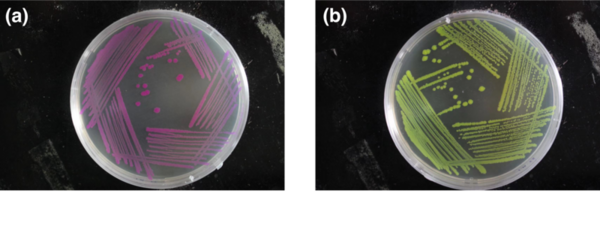
Numerous organisms, including the marine bacterium Aliivibrio fischeri, produce light. This bioluminescence is involved in many important symbioses and may one day be an important source of light for humans. In this study, the authors investigated ways to increase bioluminescence production from the model organism E. coli.
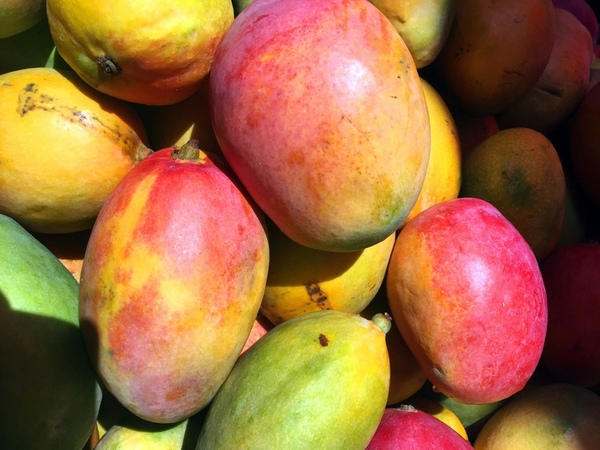
Here the authors explored the development of biodegradable bioplastic films derived from mango peels as a sustainable solution to plastic pollution and greenhouse gas emissions from fruit waste. They optimized the film's mechanical properties and water resistance through adjusting processing conditions and incorporating plasticizers and a hydrophobic coating, ultimately demonstrating its potential as a bacteriostatic and biodegradable alternative to conventional plastic food wrap.
The authors test whether coating stainless steel orthopedic screws in silver will promote calcium precipitation to improve orthopedic implant integration into bone.
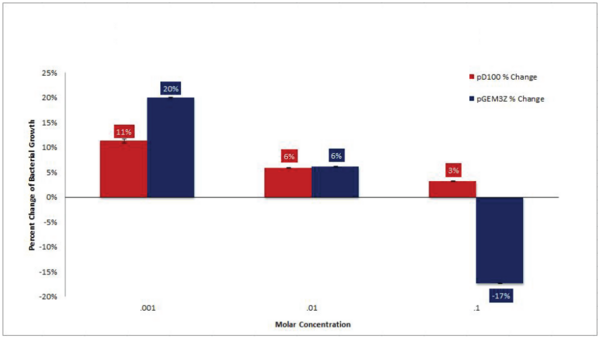
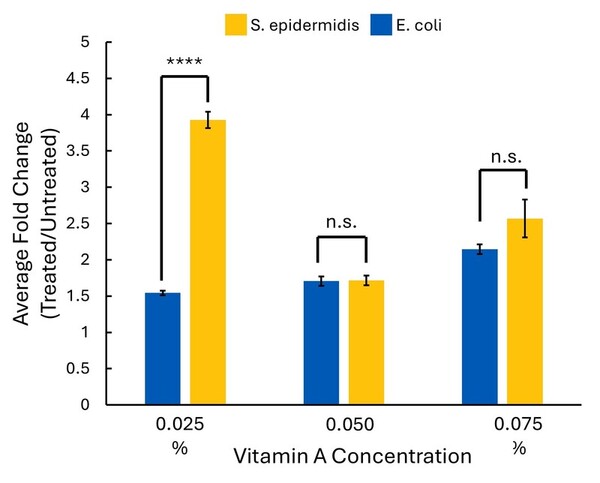
The authors looked at the impact of vitamin A (retinol) on growth of S. epidermidis (most abundant bacterium on the skin) and E. coli (found in the gut microbiome, but not on the skin).
Here the authors performed a comparative analysis to investigate the viability of using PLAY® instead of fetal bovine serum (FBS) as a growth medium to culture cells with an enzyme-linked immunosorbent assay.
Image credit: Daehan Yi, Boughaleb Hassani and Ribeiro
The study investigates the antibacterial properties of household spices on bacteria isolated from everyday objects, aiming to address the limited understanding of bacterial resilience on surfaces and the potential of spices as antibacterial agents. Researchers hypothesized that bacteria would grow faster on some surfaces than others and that spices like honey, chili powder, turmeric, and sumac would inhibit bacterial growth at varying rates. The findings suggest that household spices possess significant antibacterial properties and could be used as emergency disinfectants, particularly in under-resourced settings. However, they cannot replace medical treatments but offer insights into alternative health solutions using common ingredients.