Browse Articles

Comparing the Dietary Preference of Caenorhabditis elegans for Bacterial Probiotics vs. Escherichia coli.

Lulla et al. | Dec 18, 2020

Comparing the Dietary Preference of <i>Caenorhabditis elegans</i> for Bacterial Probiotics vs. <i>Escherichia coli</i>.

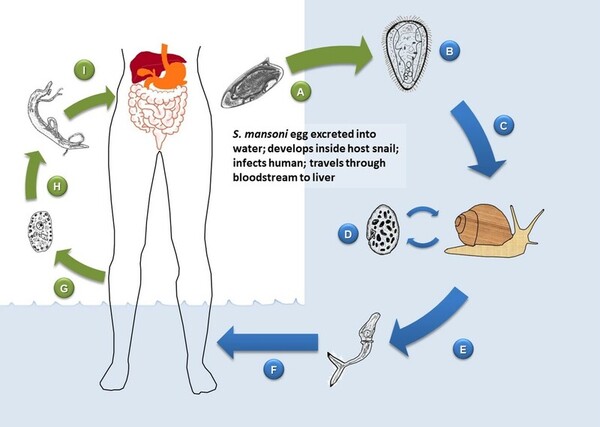
In this experiment, the authors used C. elegans as a simple model organism to observe the impact of probiotics on the human digestive system. The results of the experiments showed that the C. elegans were, on average, most present in Chobani cultures over other tested yogurts. While not statistically significant, these results still demonstrated that C. elegans might prefer Chobani cultures over other probiotic yogurts, which may also indicate greater gut benefits from Chobani over the other yogurt brands tested.

Read More...

The novel function of PMS2 mutation on ovarian cancer proliferation

Cho et al. | Dec 18, 2022

The novel function of <em>PMS2</em> mutation on ovarian cancer proliferation

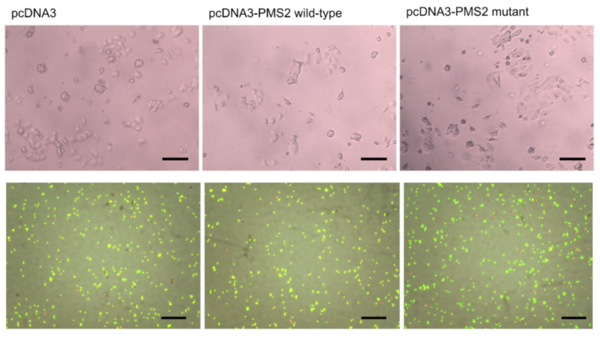
With disruption of DNA repair pathways pertinent to the timeline of cancer, thorough evaluation of mutations relevant to DNA repair proteins is crucial within cancer research. One such mutation includes S815L PMS2 - a mutation that results in significant decrease of DNA repair function by PMS2 protein. While mutation of PMS2 is associated with significantly increased colorectal and endometrial cancer risk, much work is left to do to establish the functional effects of the S815L PMS2 mutation in ovarian cancer progression. In this article, researchers contribute to this essential area of research by uncovering the tumor-progressive effects of the S815L PMS2 mutation in the context of ovarian cancer cell lines.

Read More...

Assessing grass water use efficiency through smartphone imaging and ImageJ analysis

Shen et al. | Jul 27, 2022

Assessing grass water use efficiency through smartphone imaging and ImageJ analysis

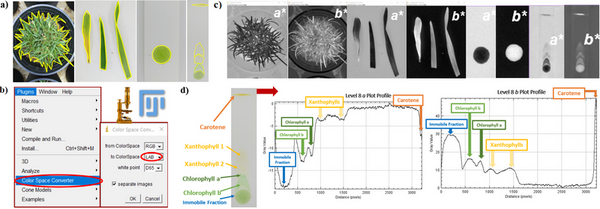
Overwatering and underwatering grass are widespread issues with environmental and financial consequences. This study developed an accessible method to assess grass water use efficiency (WUE) combining smartphone imaging with open access color unmixing analysis. The method can be applied in automated irrigation systems or apps, providing grass WUE assessment for regular consumer use.

Read More...

Racemic serine is less soluble than pure enantiomers due to stronger intermolecular hydrogen bonds

Ranka et al. | Nov 18, 2021

Racemic serine is less soluble than pure enantiomers due to stronger intermolecular hydrogen bonds

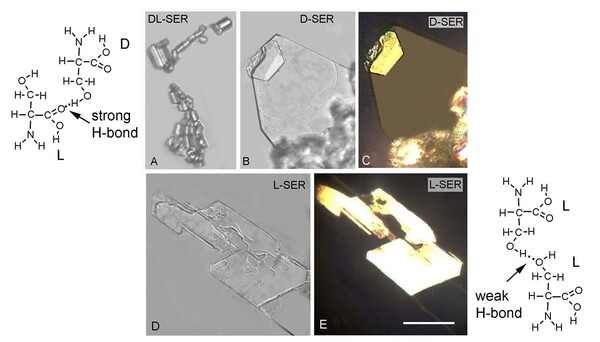
Seeking to develop a better understanding of the chemical and physical properties of amino acids that compose proteins, here the authors investigated the unusual relative insolubility of racemic mixtures of D- and L-serine compared to the solubility of pure D- or L-serine. The authors used a combination of microscopy and temperature measurements alongside previous X-ray diffraction studies to conclude that racemic DL-serine crystals consist of comparatively stronger hydrogen bond interactions compared to crystals of pure enantiomers. These stronger interactions were found to result in the unique release of heat during the crystallization of racemic mixtures.

Read More...

The relationship between macroinvertebrates, water quality, and the health of Stevens Creek

Li et al. | Aug 18, 2021

The relationship between macroinvertebrates, water quality, and the health of Stevens Creek

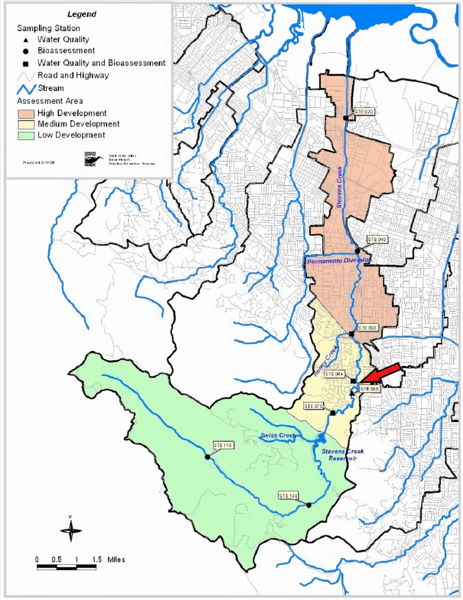
Stevens Creek, which flows through Santa Clara County in California, provides a crucial habitat for federally designated threatened steelhead trout, with a portion of the trout’s diet being dependent on the presence and abundance of macroinvertebrates that inhabit the creek. In this article, the authors investigate how the water chemistry within the creek was associated with the abundance and diversity of macroinvertebrates, and subsequently the creek’s health. They conduct qualitative analysis of macroinvertebrates and water quality to obtain a general understanding of the health of Stevens Creek.

Read More...