Browse Articles

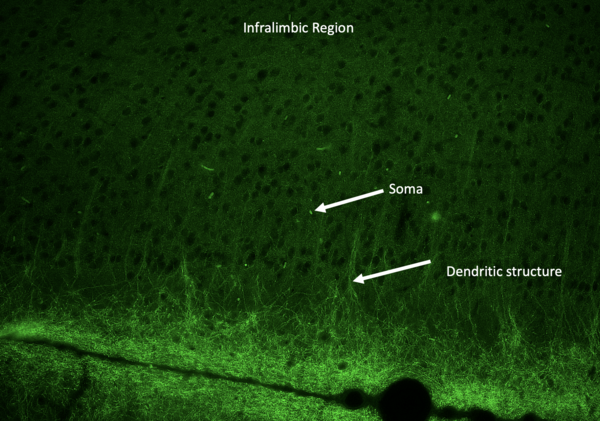
Testing HCN1 channel dysregulation in the prefrontal cortex using a novel piezoelectric silk neuromodulator

Mathew et al. | May 05, 2021

Testing HCN1 channel dysregulation in the prefrontal cortex using a novel piezoelectric silk neuromodulator

Although no comprehensive characterization of schizophrenia exists, there is a general consensus that patients have electrical dysfunction in the prefrontal cortex. The authors designed a novel piezoelectric silk-based implant and optimized electrical output through the addition of conductive materials zinc oxide (ZnO) and aluminum nitride (AlN). With further research and compatibility studies, this implant could rectify electrical misfiring in the infralimbic prefrontal cortex.

Read More...

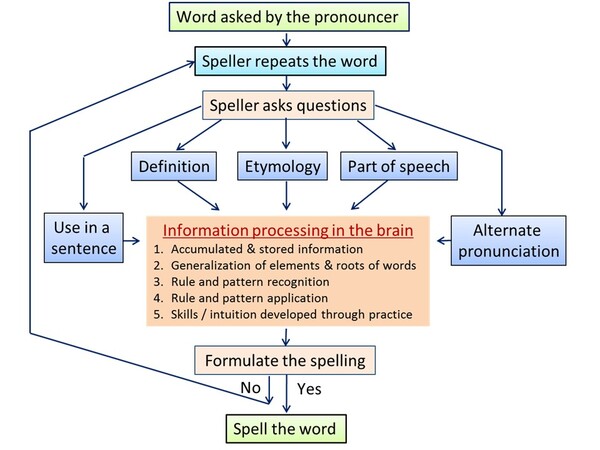
Anonymity Reduces Generosity in High School Students

Vargas-Guerrero et al. | Nov 25, 2019

Anonymity Reduces Generosity in High School Students

The disinterested willingness a person has for helping others is known as altruism. But is this willingness to help others dependent on external factors that make you more or less inclined to be generous? We hypothesized that generosity in adolescents would depend on external factors and that these factors would change the amount of help given. To evaluate altruism and generosity, we conducted non-anonymous and anonymous variations of the dictator game and ultimatum game experiments and explored the role of anonymity, fairness, and reciprocity in high school students.

Read More...

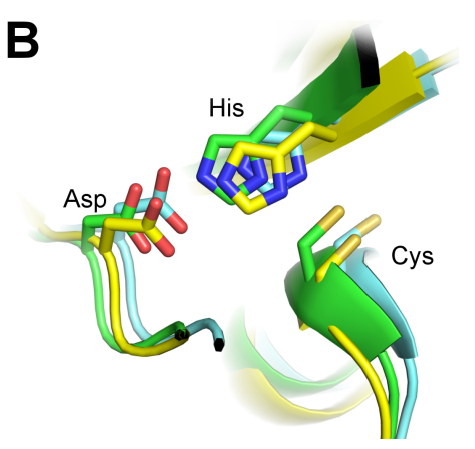
Mutation of the Catalytic Cysteine in Anopheles gambiae Transglutaminase 3 (AgTG3) Abolishes Plugin Crosslinking Activity without Disrupting Protein Folding Properties

Pham et al. | May 02, 2014

Mutation of the Catalytic Cysteine in <em>Anopheles gambiae</em> Transglutaminase 3 (AgTG3) Abolishes Plugin Crosslinking Activity without Disrupting Protein Folding Properties

Malaria is a major public health issue, especially in developing countries, and vector control is a major facet of malaria eradication efforts. Recently, sterile insect technique (SIT), or the release of sterile mosquitoes into the wild, has shown significant promise as a method of keeping vector populations under control. In this study, the authors investigate the Anopheles gambiae transglutaminase 3 protein (AgT3), which is essential to the mating of the Anopheles mosquito. They show that an active site mutation is able to abolish the activity of the AgT3 enzyme and propose it as a potential target for chemosterilant inhibitors.

Read More...

A multi-dimensional analysis of NFL red zone efficiency

Kim et al. | Mar 16, 2026

A multi-dimensional analysis of NFL red zone efficiency
Image credit: Ben Hershey

Here the authors investigated the relationship between offensive play-calling styles and scoring success within the NFL's red zone by analyzing play-by-play data and expected points metrics. Their findings suggest that a conservative approach to play design and execution is more strongly associated with maximizing efficiency and point-value gains than aggressive strategies.

Read More...

Modeling and optimization of epidemiological control policies through reinforcement learning

Rao et al. | May 23, 2023

Modeling and optimization of epidemiological control policies through reinforcement learning

Pandemics involve the high transmission of a disease that impacts global and local health and economic patterns. Epidemiological models help propose pandemic control strategies based on non-pharmaceutical interventions such as social distancing, curfews, and lockdowns, reducing the economic impact of these restrictions. In this research, we utilized an epidemiological Susceptible, Exposed, Infected, Recovered, Deceased (SEIRD) model – a compartmental model for virtually simulating a pandemic day by day.

Read More...

Don’t Waste the Medical Waste: Reducing Improperly Classified Hazardous Waste in a Medical Facility

Hemani et al. | Jun 20, 2018

Don’t Waste the Medical Waste: Reducing Improperly Classified Hazardous Waste in a Medical Facility

Hemani et al. tackled the problem of rampant hospital waste by implementing staff training to help inform hospital workers about proper waste disposal. The authors observed a significant increase in proper waste disposal after the training, showing that simple strategies, such as in-person classroom training and posters, can have a profound effect on limiting improper waste handling.

Read More...