Browse Articles

Changes for Development of Al2O3 Coated PVA (Polyvinyl Alcohol) Composite Nonwoven Separator For Improving Thermal and Electrochemical Properties

Kim et al. | Oct 16, 2019

Changes for Development of Al2O3 Coated PVA (Polyvinyl Alcohol) Composite Nonwoven Separator For Improving Thermal and Electrochemical Properties

Lithium-ion batteries, a breakthrough in chemistry that enabled the electronic revolution we live today have become an essential part of our day-to-day life. A phone battery running out after a heavy day of use with limited opportunities for recharging is a well-known and resented experience by almost everyone. How then can we make batteries more efficient? This paper proposes the use of a different type of separator, that improves the charging and discharging capacities of lithium ions compared to the classical separator. This and similar attempts to improve Lithium-ion battery function could facilitate the development of higher-performance batteries that work longer and withstand harsher use.

Read More...
The Effect of Various Liquid Mediums on the Transport of Photonic Energy and its Impact on the Quantum Efficiency of Photovoltaic Cells

Payra et al. | May 05, 2015

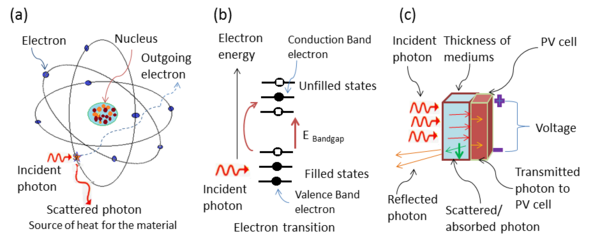
The Effect of Various Liquid Mediums on the Transport of Photonic Energy and its Impact on the Quantum Efficiency of Photovoltaic Cells

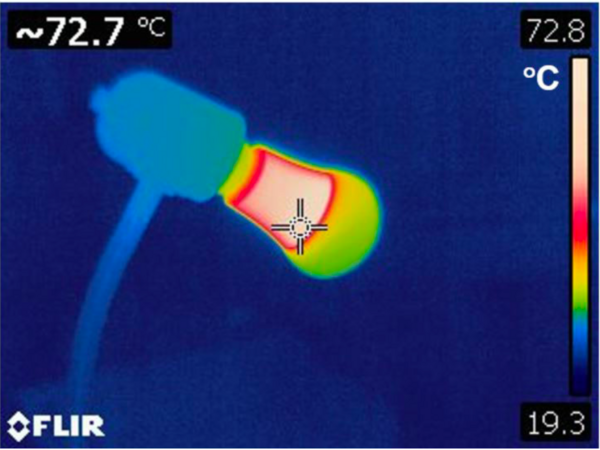
A photovoltaic cell (PV cell), or solar cell, converts the energy of light into electricity and is the basis for solar power. In order to increase the efficiency of PV cells, the authors in this study used common household items as photon transmissions mediums and measured their effects on the temperature and voltage output of the PV cells.

Read More...

Testing filtration capabilities of household fabrics for protection against airborne contaminants

Shah et al. | May 31, 2025

Testing filtration capabilities of household fabrics for protection against airborne contaminants

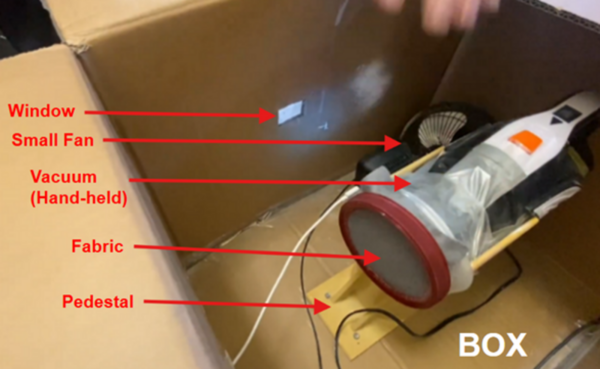
Toxic particulates in the atmosphere pose significant health risks, and while modern masks can help reduce inhalation of these pollutants, their availability may be limited during health crises. This study evaluated the effectiveness of household fabrics (cotton, fleece, wool, and rayon) as particulate filters, finding that cotton outperformed the others in filtration efficiency, while rayon was the least effective. The findings suggest that cotton is a preferable alternative for filtration purposes, while rayon should be avoided.

Read More...