Browse Articles

Defying chemical tagging: inhomogeneities in the wide binary system HIP 34407/HIP 34426

Còdol et al. | Oct 05, 2023

Defying chemical tagging: inhomogeneities in the wide binary system HIP 34407/HIP 34426
Image credit: Pixabay

This assessed the hypothesis that stars in wide binary systems are chemically homogeneous because of their shared origin. Abundances of the HIP 34407/HIP 34426 binary were obtained by analyzing high-resolution spectra of the system. Discrepancies found in the system’s elemental abundances might be an indicator of the presence of rocky planets around this star. Thus, the differences found in chemical composition might demonstrate limitations in the assumptions of chemical tagging.

Read More...
The effect of viscous drag on damped simple harmonic motion

Michael Powell et al. | Sep 14, 2023

The effect of viscous drag on damped simple harmonic motion

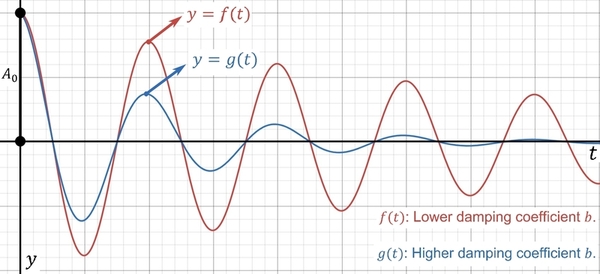
Dynamic viscosity is a quantity that describes the magnitude of a fluid’s internal friction or thickness. Traditionally, scientists measure this quantity by either calculating the terminal velocity of a falling sphere or the time a liquid takes to flow through a capillary tube. However, they have yet to conduct much research on finding this quantity through viscous damped simple harmonic motion. The present study hypothesized that the relationship between the dynamic viscosity and the damping coefficient is positively correlated.

Read More...

Maximizing anaerobic biogas production using temperature variance

Verma et al. | Aug 03, 2023

Maximizing anaerobic biogas production using temperature variance

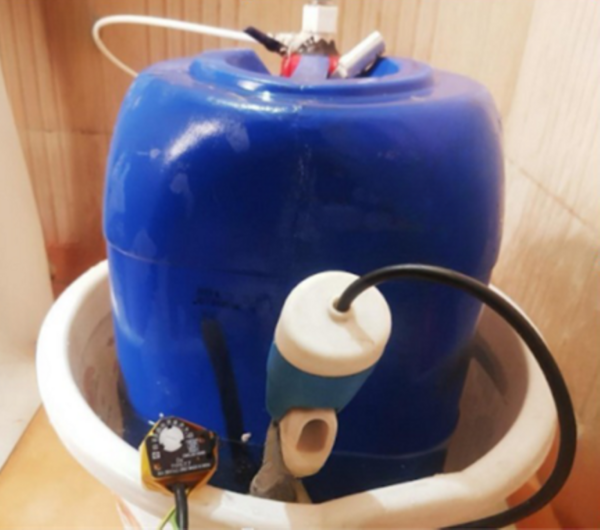
We conducted this research as our start-up's research that addresses the problem of biogas production in cow-dense regions like India. We hypothesized that the thermophilic temperature (45-60oC) would increase biogas production. The production process is much faster and more abundant at temperatures around 55-60oC.

Read More...

Employee resignation study in Fairfax County

Zhang et al. | Mar 03, 2023

Employee resignation study in Fairfax County

In this study, the authors address potential reasons why employees may voluntarily resign. This is in response to the currently observed economic trend The Great Resignation. Through analysis of federal and local government data along with survey results from Fairfax County, they concluded that adding additional benefits will help companies retain talented empolyees.

Read More...

The Impact of Effective Density and Compressive Strength on the Structure of Crumpled Paper Balls

Chu et al. | Nov 19, 2020

The Impact of Effective Density and Compressive Strength on the Structure of Crumpled Paper Balls

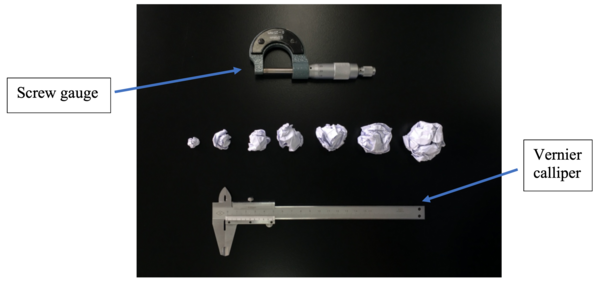
Crumpling is the process whereby a sheet of paper undergoes deformation to yield a three-dimensional structure comprising a random network of ridges and facets with variable density. The authors hypothesized that the more times a paper sheet is crumpled, the greater its compressive strength. Their results show a relatively strong linear relationship between the number of times a paper sheet is crumpled and its compressive strength.

Read More...

A Novel Approach to Prevent and Restrict Early Stages of Cancer Cell Growth Using a Combination of Moringa and Sesame in a Drosophila Model

Ganesh et al. | Sep 28, 2020

A Novel Approach to Prevent and Restrict Early Stages of Cancer Cell Growth Using a Combination of Moringa and Sesame in a <em>Drosophila</em> Model

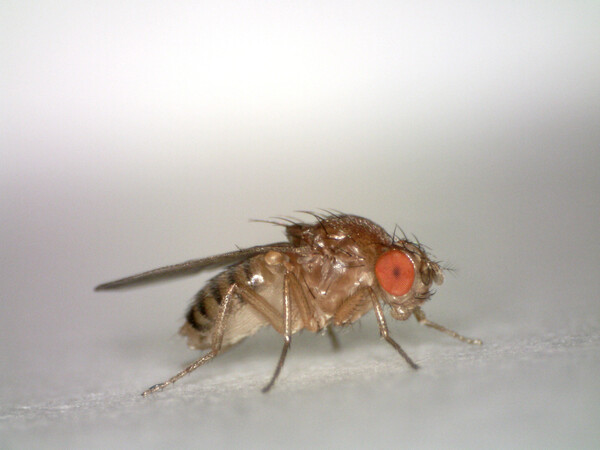
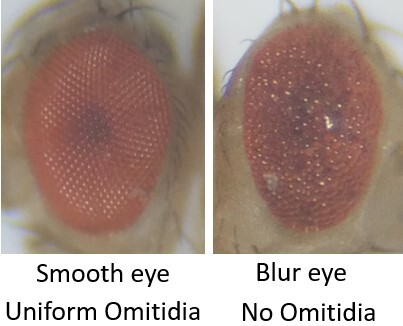
Sesame (Sesamum indicum) and moringa (Moringa oleifera) have natural antioxidants that could prevent cancer growth. Previously, this group found that sesame and moringa individually suppress eye tumor grown in the Drosophila melanogaster model. In the present study, combinations of sesame and moringa at different concentrations were included in the D. melanogaster diet. The impact on eye tumor development was assessed at different stages of growth.

Read More...

Comparing the Effects of Different Natural Products on Reducing Tumor Growth in a Drosophila Model

Ganesh et al. | May 31, 2020

Comparing the Effects of Different Natural Products on Reducing Tumor Growth in a <i>Drosophila</i> Model

In this work, the authors compared the effects of common natural products, including sesame, cinnamon, garlic, moringa and turmeric on tumor growth in Drosophila eyes. The data showed that these natural products cannot be used to reduce tumor growth once it has completely formed. However, the data suggested that some natural products can reduce cancer cell growth when tumors are treated early.

Read More...

Conversion of Mesenchymal Stem Cells to Cancer-Associated Fibroblasts in a Tumor Microenvironment: An in vitro Study

Ramesh et al. | Feb 18, 2020

Conversion of Mesenchymal Stem Cells to Cancer-Associated Fibroblasts in a Tumor Microenvironment: An <em>in vitro</em> Study

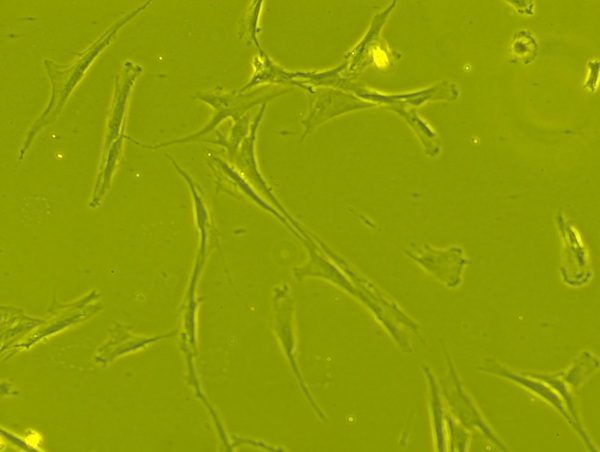
Mesenchymal stem cells(MSCs) play a role in tumor formation by differentiating into cancer associated fibroblasts (CAFs) which enable metastasis of tumors. The process of conversion of MSCs into CAFs is not clear. In this study, authors tested the hypothesis that cancers cells secrete soluble factors that induce differentiation by culturing bone marrow mesenchymal stem cells in media conditioned by a breast cancer cell line.

Read More...

Expression of Anti-Neurodegeneration Genes in Mutant Caenorhabditis elegans Using CRISPR-Cas9 Improves Behavior Associated With Alzheimer’s Disease

Mishra et al. | Sep 14, 2019

Expression of Anti-Neurodegeneration Genes in Mutant <em>Caenorhabditis elegans</em> Using CRISPR-Cas9 Improves Behavior Associated With Alzheimer’s Disease

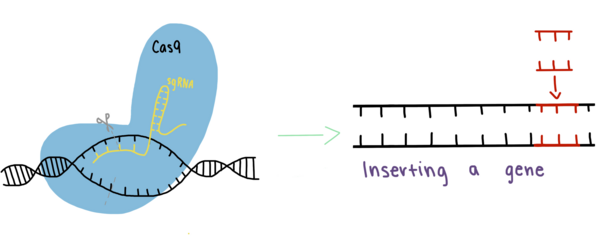
Alzheimer's disease is one of the leading causes of death in the United States and is characterized by neurodegeneration. Mishra et al. wanted to understand the role of two transport proteins, LRP1 and AQP4, in the neurodegeneration of Alzheimer's disease. They used a model organism for Alzheimer's disease, the nematode C. elegans, and genetic engineering to look at whether they would see a decrease in neurodegeneration if they increased the amount of these two transport proteins. They found that the best improvements were caused by increased expression of both transport proteins, with smaller improvements when just one of the proteins is overly expressed. Their work has important implications for how we understand neurodegeneration in Alzheimer's disease and what we can do to slow or prevent the progression of the disease.

Read More...