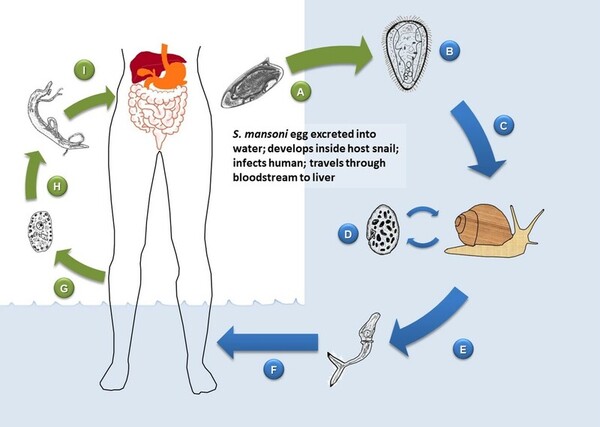
Pillai et al. look at whether exposure to Schistosoma mansoni, a parasitic blood fluke, has any relation to peanut allergies. They found that cockroaches exposed to an antigen found in S. mansoni eggs exhibited an allergic reaction to peanuts.
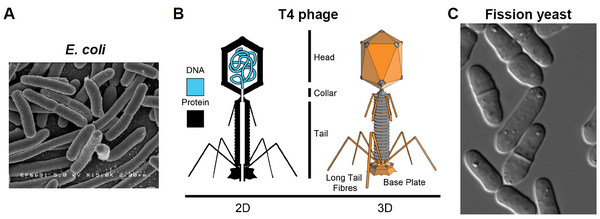
Phage therapy has been suggested as an alternative to antibiotics because bacteria resistant to antibiotics may still be susceptible to phages. However, phages may have limited effectiveness in combating bacteria since bacteria possess several antiviral defense mechanisms and can quickly develop resistance to phages. In this study, Wu and Pinta compare the effectiveness and specificity of antibiotics and phages in combating bacteria. They found that T4 phages are more specific and effective in fighting or inhibiting both antibiotic-resistant and sensitive bacteria than antibiotics, suggesting that phage therapy can be developed as an efficient tool to combat antibiotic-resistant bacteria.
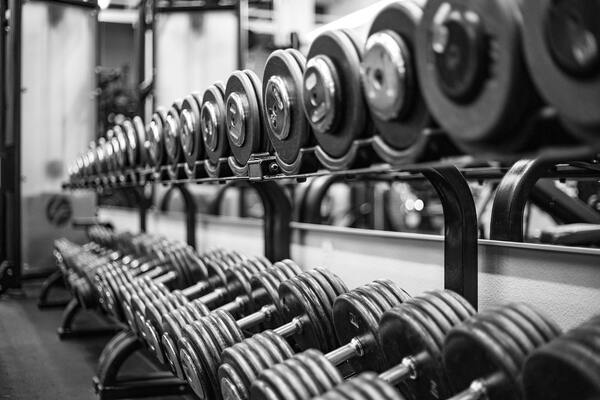
Recognizing a potential link between mental focus and physical endurance, here, the authors considered the effects of mental visualization on strength endurance. By comparing the number of repetitions completed in sets where the lifter was aware of the weight to be lifted against sets where the lifter was kept unaware, they found that the lifter was able to maintain strength endurance when unable to accurately visualize the weight they lifted in this exploratory study.
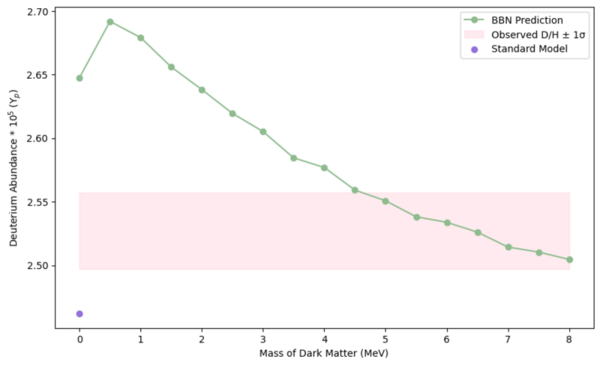
Recent observations by the “Extremely Metal-Poor Representatives Explored by the Subaru Survey” (EMPRESS) collaboration found normal deuterium levels but unexpectedly low helium-4, challenging current cosmological theories. This study used simulations with the PRyMordial package to test whether dark matter particles interacting with neutrinos in the early universe could explain the discrepancy.
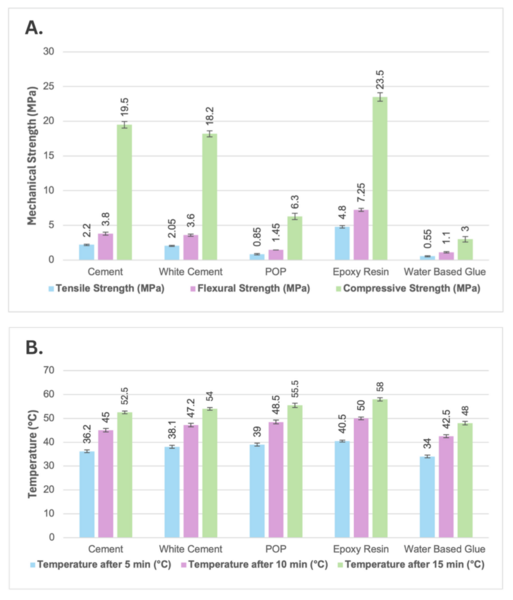
Textile waste from the fashion industry is a major environmental pollutant, but recycling waste into novel building material is a strategy to reduce the negative effects. This manuscript characterized five different binders that can be used to repurpose textile waste into bricks for construction purposes. Water-based glue, cement, white cement, plaster of Paris, and epoxy resin were mixed with shredded textile waste, and the mechanical characteristics and thermal insulation of each brick type were measured. Bricks with increased mechanical strength had the poorest thermal resistance, and the contrasting properties would suit different building purposes. This work provides a first step in generating recycled textile bricks for construction in a circular economy framework.
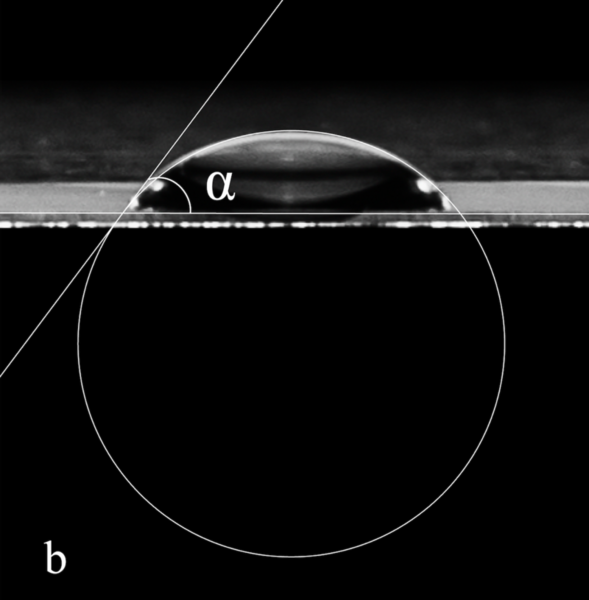
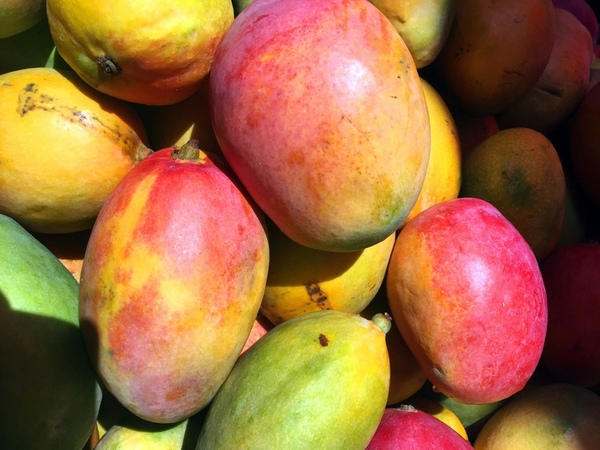
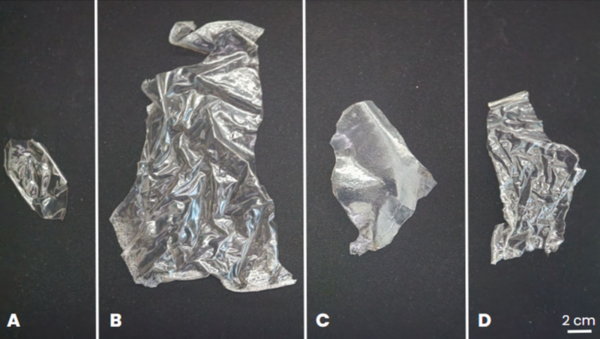
Here the authors explored the development of biodegradable bioplastic films derived from mango peels as a sustainable solution to plastic pollution and greenhouse gas emissions from fruit waste. They optimized the film's mechanical properties and water resistance through adjusting processing conditions and incorporating plasticizers and a hydrophobic coating, ultimately demonstrating its potential as a bacteriostatic and biodegradable alternative to conventional plastic food wrap.
The authors looked at the development of biodegradable bioplastic and its features compared to PET packaging films. They were able to develop a biodegradable plastic with sodium alginate that dissolved in water and degrade in microbial conditions while also being transparent and flexible similar to current plastic films.