Different songs can seem to evoke different emotions. Here the authors demonstrate that different songs can have a significant effect on the heart rate of listeners. A slower song slows heart rate, and a faster song increases it.
Read More...The Effect of Music on Heart Rate
Different songs can seem to evoke different emotions. Here the authors demonstrate that different songs can have a significant effect on the heart rate of listeners. A slower song slows heart rate, and a faster song increases it.
Read More...Isolation of Microbes From Common Household Surfaces
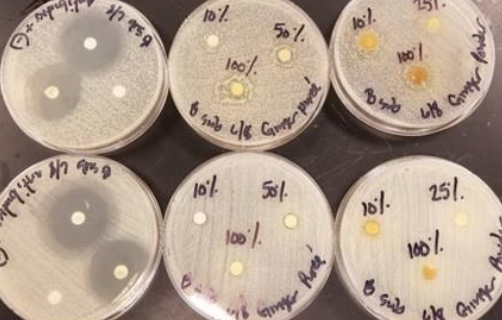
Microorganisms such as bacteria and fungi live everywhere in the world around us. The authors here demonstrate that these predominantly harmless microbes can be isolated from many household locations that appear "clean." Further, they test the cleaning power of 70% ethanol and suggest that many "clean" surfaces are not in fact "sterile."
Read More...The Effects of Birth Order on Indicators of Academic Success Among High School Students of Multiple Ethnicities
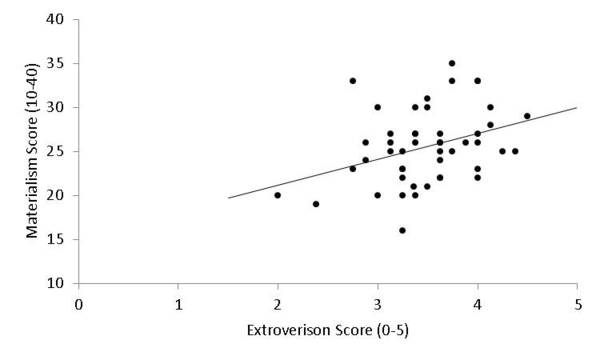
In many cultures and for many centuries, the implications of birth order have been examined. Birth order has been shown to affect personality, accomplishments, and even career choice. This study investigated the impact of birth order and ethnicity on two measures of academic success in high school: a student’s grade point average (GPA) and the number of Advanced Placement (AP) classes he or she took.
Read More...Enhanced Iron and Manganese Removal Using Nanocomposite CA/PVP Membranes Doped with CNC, CNF, and HNT
We developed new eco-friendly membranes enriched with natural nanomaterials to clean iron and manganese from drinking water. Some nanocomposite membranes achieved over 95% metal removal while maintaining water flux, suggesting improved performance compared to the undoped control group.
Read More...Economic and social drivers of school shootings: Analyzing recent trends
Content warning: This article discusses the frequency and impact of mass violence incidents, particularly school shootings. Gun violence, threats of gun violence, firearm supply, fatalities among minors, and bullying are discussed but not graphically described.
Read More...Electrocatalytic oxidation of furfural on Co3O4/nickel foam catalyst: performance and mechanistic study
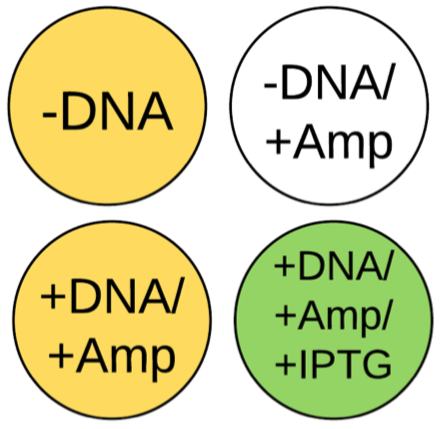
In this study, the authors hypothesized that the unique redox properties of cobalt oxide (Co3O4), combined with the conductive nature of the nickel foam (NF) substrate, synergistically enhances the catalytic performance for furfural oxidation. The study showed successful synthesis of Co3O4 nanoflowers directly grown on NF and tested their capacity to serve as a highly efficient electrocatalyst for furfural oxidation. Beyond furfural oxidation, this study also offers broader implications for sustainable chemistry by establishing design principles for efficient nucleophilic oxidation reaction catalysts, demonstrating an energy-saving alternative to conventional oxygen evolution reaction-coupled processes, and showcasing how biomass conversion can be integrated with renewable energy systems.
Read More...The impact of visual attention on visual working memory
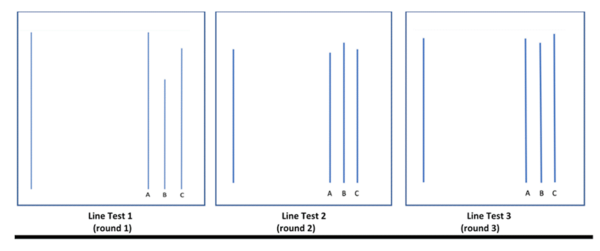
The authors looked at how the focus of someone's attention impacted what information was retained in their working memory.
Read More...Evaluating key factors in emotion detection models for AI-driven personalized bibliotherapy
This study evaluates the potential of natural language processing (NLP) models in an emotion-driven bibliotherapy framework to improve mental health challenges.
Read More...Investigation of the impact of acid reflux on dental cements
The authors test the effects of pH level on different kinds of dental cement to model the long-term effects of reflux-induced stomach acid exposure.
Read More...The effect of lead oxide concentrations on the bioluminescence intensity of Panellus stipticus
Here the authors investigate the potential of the bioluminescent fungus Panellus stipticus to serve as a sustainable bioindicator for environmental lead contamination. Their findings demonstrate that higher lead concentrations cause a measurable decrease in fungal bioluminescence intensity over time suggesting that the fungus could be an effective tool for detecting lead in an environment.
Read More...