Browse Articles

Electrocatalytic oxidation of furfural on Co3O4/nickel foam catalyst: performance and mechanistic study

Song et al. | Jul 19, 2026

Electrocatalytic oxidation of furfural on Co<sub>3</sub>O<sub>4</sub>/nickel foam catalyst: performance and mechanistic study
Image credit: Shraga kopstein

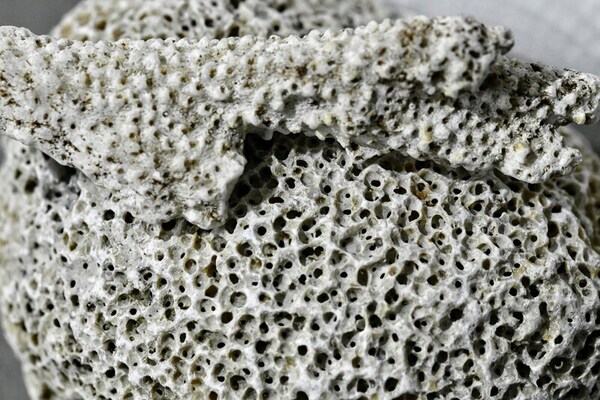
In this study, the authors hypothesized that the unique redox properties of cobalt oxide (Co3O4), combined with the conductive nature of the nickel foam (NF) substrate, synergistically enhances the catalytic performance for furfural oxidation. The study showed successful synthesis of Co3O4 nanoflowers directly grown on NF and tested their capacity to serve as a highly efficient electrocatalyst for furfural oxidation. Beyond furfural oxidation, this study also offers broader implications for sustainable chemistry by establishing design principles for efficient nucleophilic oxidation reaction catalysts, demonstrating an energy-saving alternative to conventional oxygen evolution reaction-coupled processes, and showcasing how biomass conversion can be integrated with renewable energy systems.

Read More...

Temperatures of 20°C Produce Increased Net Primary Production in Chlorella sp.

Biddinger et al. | Feb 25, 2020

Temperatures of 20°C Produce Increased Net Primary Production in <em>Chlorella sp.</em>

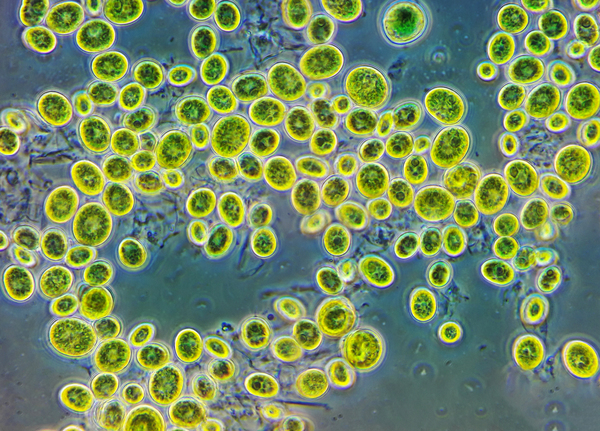
Chlorella sp. are unicellular green algae that use photosynthesis to reduce carbon dioxide into glucose. In this study, authors sought to determine the temperature that Chlorella sp. is maximally efficient at photosynthesis, and therefore removing the most carbon dioxide from the system. This activity could be harnessed to naturally remove carbon dioxide from the environment, fighting the effects of climate change.

Read More...

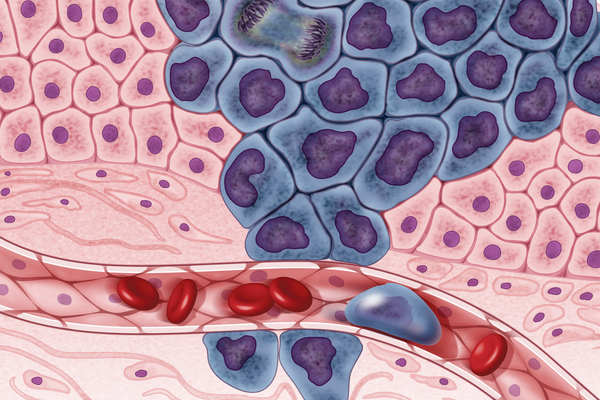
Significance of Tumor Growth Modeling in the Behavior of Homogeneous Cancer Cell Populations: Are Tumor Growth Models Applicable to Both Heterogeneous and Homogeneous Populations?

Reddy et al. | Jun 10, 2021

Significance of Tumor Growth Modeling in the Behavior of Homogeneous Cancer Cell Populations: Are Tumor Growth Models Applicable to Both Heterogeneous and Homogeneous Populations?

This study follows the process of single-cloning and the growth of a homogeneous cell population in a superficial environment over the course of six weeks with the end goal of showing which of five tumor growth models commonly used to predict heterogeneous cancer cell population growth (Exponential, Logistic, Gompertz, Linear, and Bertalanffy) would also best exemplify that of homogeneous cell populations.

Read More...

The comparative effect of remote instruction on students and teachers

Ng et al. | Jan 16, 2022

The comparative effect of remote instruction on students and teachers

In this study, high school students and teachers responded to a survey consisting of Likert-type scale, multiple-choice, and open-ended questions regarding various aspects of remote instruction. After analyzing the data collected, they found that remote learning impacted high school students academically and socially. Students took longer to complete assignments, and both students and teachers felt that students do not learn as much in remote learning compared to in-person instruction. However, most high school students demonstrated a comprehensive understanding of the topics, and an overall negative impact on students' grades was not detected.

Read More...

Intra and interspecies control of bacterial growth through extracellular extracts

Howe et al. | Jun 07, 2024

Intra and interspecies control of bacterial growth through extracellular extracts

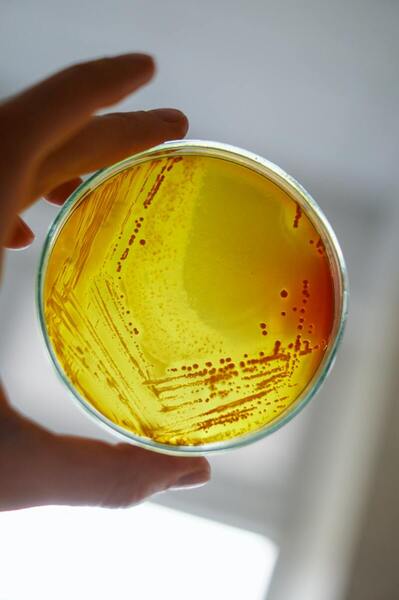
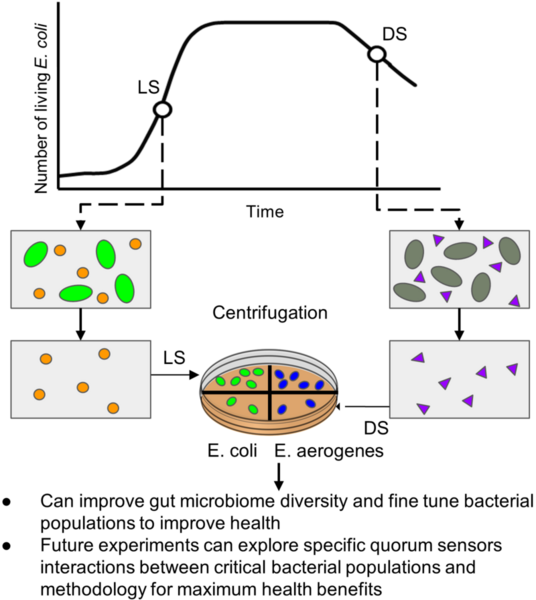
The study discusses the relationship between bacterial species and the human gut microbiome, emphasizing the role of quorum sensing molecules in bacterial communication and its implications for health. Authors investigated the impact of bacterial supernatants from Escherichia coli (E. coli) on the growth of new E. coli and Enterobacter aerogenes (E. aerogenes) cultures.

Read More...

Near-infrared activation of environmentally-friendly gold and silver nanoparticles for unclogging arteries

Gill et al. | Sep 06, 2024

Near-infrared activation of environmentally-friendly gold and silver nanoparticles for unclogging arteries

Coronary artery disease, the leading cause of death worldwide, results from cholesterol build-up in coronary arteries, limiting blood and oxygen flow to the heart. This study investigated the use of gold and silver nanoparticles coated with aspirin and activated by near-infrared light to improve blood flow in a clogged artery model. The nanoparticles increased simulated blood flow rates, demonstrating potential as a less invasive and more targeted treatment for cardiovascular disease.

Read More...

Investigating the Role of Biotic Factors in Host Responses to Rhizobia in the System Medicago truncatula

Rathod et al. | Jan 22, 2019

Investigating the Role of Biotic Factors in Host Responses to Rhizobia in the System Medicago truncatula

Nitrogen-fixing bacteria, such as the legume mutualist rhizobia, convert atmospheric nitrogen into a form that is usable by living organisms. Leguminous plants, like the model species Medicago truncatula, directly benefit from this process by forming a symbiotic relationship with rhizobia. Here, Rathod and Rowe investigate how M. truncatula responds to non-rhizobial bacterial partners.

Read More...