Browse Articles

Correlating inlet gas composition to conversion efficiency in plasma-assisted landfill gas reforming

Kim et al. | Jun 28, 2025

Correlating inlet gas composition to conversion efficiency in plasma-assisted landfill gas reforming

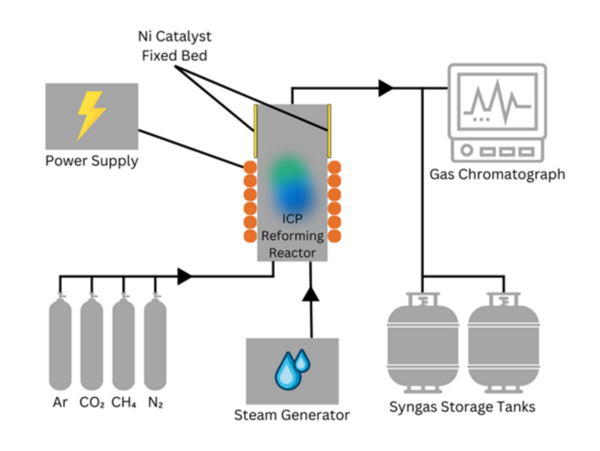
The escalating crisis of climate change, driven by the accumulation of greenhouse gases from human activities, demands urgent and innovative solutions to curb rising global temperatures. Plasma-based methane (CH4) and carbon dioxide (CO2) reforming offers a promising pathway for carbon capture and the sustainable production of hydrogen fuel and syngas components. To advance this technology, particularly in terms of energy efficiency and selectivity, it is essential to enhance the conversion efficiencies of CO2 and CH4.

Read More...
Efficacy of Mass Spectrometry Versus 1H Nuclear Magnetic Resonance With Respect to Denaturant Dependent Hydrogen-Deuterium Exchange in Protein Studies

Chenna et al. | Jan 22, 2020

Efficacy of Mass Spectrometry Versus 1H Nuclear Magnetic Resonance With Respect to Denaturant Dependent Hydrogen-Deuterium Exchange in Protein Studies

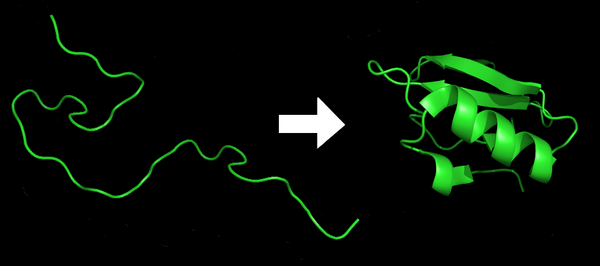
The misfolding of proteins leads to numerous diseases including Akzheimer’s, Parkinson’s and Type II Diabetes. Understanding of exactly how proteins fold is crucial for many medical advancements. Chenna and Englander addressed this problem by measuring the rate of hydrogen-deuterium exchange within proteins exposed to deuterium oxide in order to further elucidate the process of protein folding. Here, mass spectrometry was used to measure exchange in Cytochrome c and was compared to archived 1H NMR data.

Read More...

Characterization of a UPEC DegS Mutant in vitro and in vivo

Bradley et al. | Mar 16, 2015

Characterization of a UPEC <em>DegS</em> Mutant <em>in vitro</em> and <em>in vivo</em>

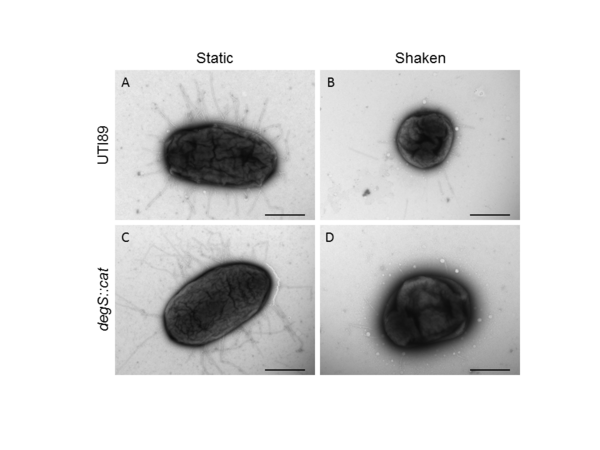
DegS is an integral inner membrane protein in E. coli that helps break down misfolded proteins. When it is mutated, there is a large increase in the production of outer membrane vesicles (OMVs), which are thought to play a role in pathogenesis. This study used mutant strains of uropathogenic E. coli (UPEC) to characterize the role of DegS and OMVs on UPEC virulence.

Read More...

Depression detection in social media text: leveraging machine learning for effective screening

Shin et al. | Mar 25, 2025

Depression detection in social media text: leveraging machine learning for effective screening

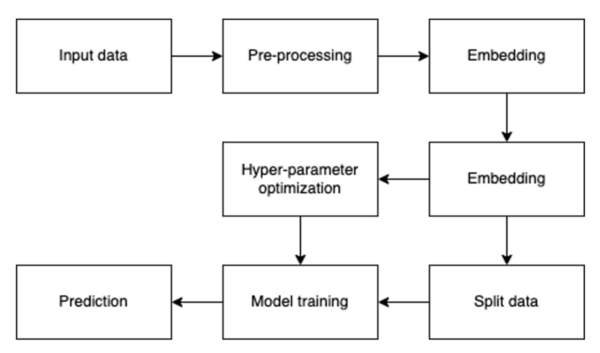
Depression affects millions globally, yet identifying symptoms remains challenging. This study explored detecting depression-related patterns in social media texts using natural language processing and machine learning algorithms, including decision trees and random forests. Our findings suggest that analyzing online text activity can serve as a viable method for screening mental disorders, potentially improving diagnosis accuracy by incorporating both physical and psychological indicators.

Read More...

Utilizing a Wastewater-Based Medium for Engineered Saccharomyces cerevisiae for the Biological Production of Fatty Alcohols and Carboxylic Acids to Replace Petrochemicals

Ramesh et al. | Oct 02, 2019

Utilizing a Wastewater-Based Medium for Engineered <em>Saccharomyces cerevisiae</em> for the Biological Production of Fatty Alcohols and Carboxylic Acids to Replace Petrochemicals

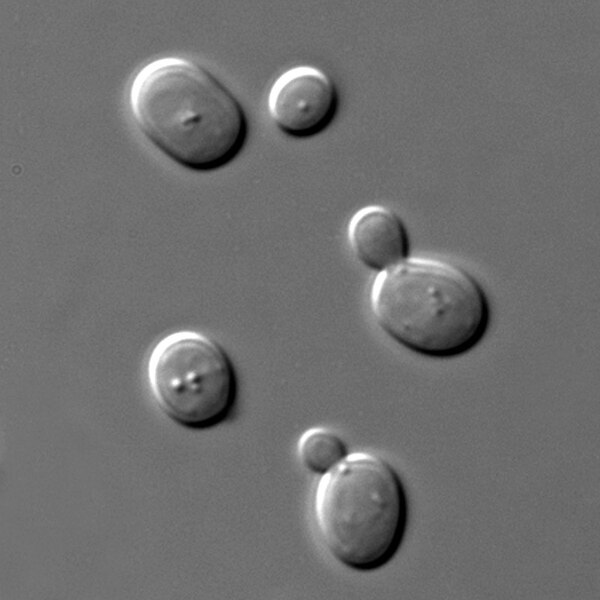
Saccharomyces cerevisiae yeast is used to produce bioethanol, an alternative to fossil fuels. In this study, authors take advantage of this well studied yeast by genetically engineering them to increase fatty acid biosynthesis and culturing in a cost-effective wastewater based medium; potentially providing a sustainable alternative to petrochemicals.

Read More...

Improving Wound Healing by Breaking Down Biofilm Formation and Reducing Nosocomial Infections

DiStefano et al. | Jul 09, 2019

Improving Wound Healing by Breaking Down Biofilm Formation and Reducing Nosocomial Infections

In a 10-year period in the early 2000’s, hospital-based (nosocomial) infections increased by 123%, and this number is increasing as time goes on. The purpose of this experiment was to use hyaluronic acid, silver nanoparticles, and a bacteriophage cocktail to create a hydrogel that promotes wound healing by increasing cell proliferation while simultaneously disrupting biofilm formation and breaking down Staphylococcus aureus and Pseudomonas aeruginosa, which are two strains of bacteria that attribute to nosocomial infections and are increasing in antibiotic resistance.

Read More...

The effect of common food preservatives on the growth of bacteria

Yulin et al. | Jul 06, 2025

The effect of common food preservatives on the growth of bacteria
Image credit: Michael Schiffer

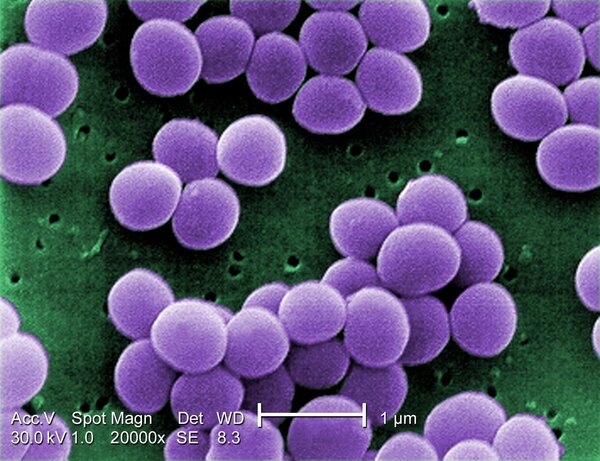
Here the authors aimed to find the best preservative combinations to stop bacterial growth in food, using data modeling and biochemical experiments. They discovered that single preservatives are often not enough, with varying effectiveness against different bacteria, and suggest future research into combining preservatives for better results.

Read More...