
The authors analyzed biosolids from five Wisconsin wastewater treatment plants and suggest using KBr pellet FTIR as a simple and rapid method to start characterizing P species in biosolids.
Read More...Fourier-Transform Infrared (FTIR) spectroscopy analysis of seven wisconsin biosolids
The authors analyzed biosolids from five Wisconsin wastewater treatment plants and suggest using KBr pellet FTIR as a simple and rapid method to start characterizing P species in biosolids.
Read More...More efficient sources of water distribution for agricultural and general usage
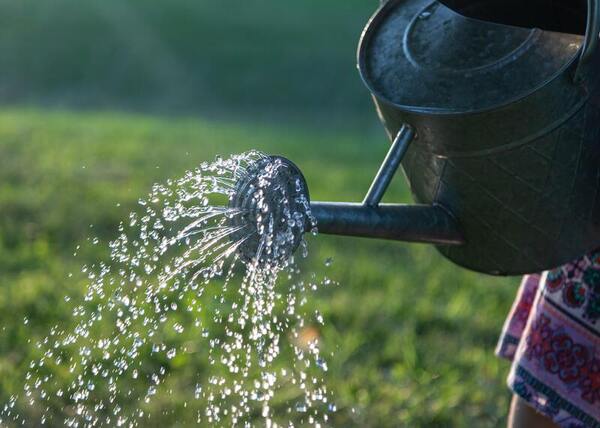
Here, the authors investigated alternative methods to irrigate plants based on the their identification that current irrigation systems waste a large amount of fresh water. They compared three different delivery methods for water: conventional sprinkler, underground cloth, and a perforated pipe embedded in the soil. They found the cloth method to save the most water, although plant growth was slightly less in comparison to plants watered with the sprinkler method or pipe method.
Read More...Milkweed sustainability in the Sonoran Desert: A. erosa is more water-efficient compared to two other species
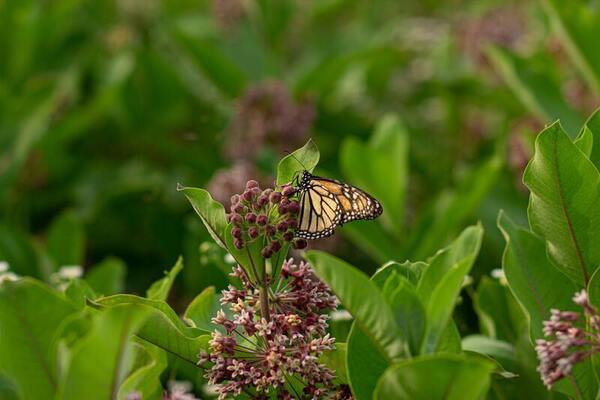
This study assesses the capacity for milkweed species, an important host plant for Monarch butterflies, to grow in desert environments with different water levels.
Read More...In vitro Comparison of Anticancer and Immunomodulatory Activities of Resveratrol and its Oligomers
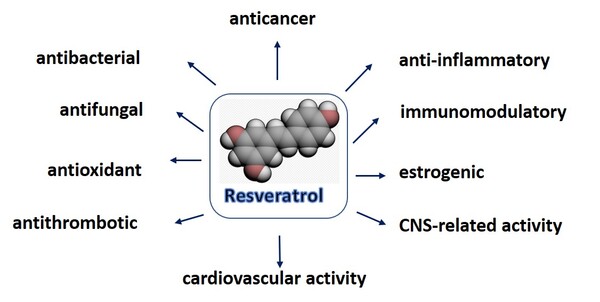
Resveratrol is a type of stillbenoid, a phenolic compound produced in plants, that is known for its anti-inflammatory and anticancer effects. Many oligomers of resveratrol have recently been isolated their bioactivities remain unknown. Here, authors compared the bioactivities of resveratrol with natural dimers (ε-viniferin and gnetin H) and trimers (suffruticosol B and C). Results provide preliminary evidence that resveratrol oligomers could be potential preventive or therapeutic agents for cancers and other immune-related diseases
Read More...Investigating Lemna minor and microorganisms for the phytoremediation of nanosilver and microplastics
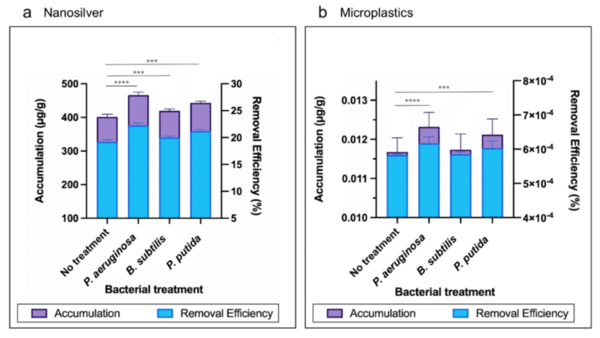
The authors looked at phytoremediation, the process by which plants are used to remove pollutants from our environment, and the ability of Lemna minor to perform phytoremediation in various simulated polluted environments. The authors found that L. minor could remove pollutants from the environment and that the addition of bacteria increased this removal.
Read More...Cytotoxicity evaluation of Amaranthus extracts compared with AS20 on MCF-7 cancer cells
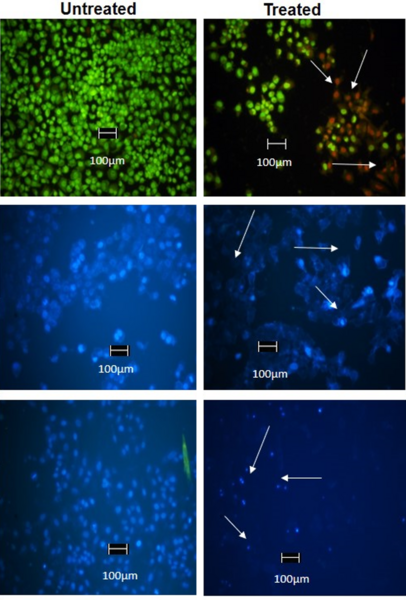
The authors test the antiproliferative and apoptosis-inducing properties of an extract created from a traditional Indian medicinal plant of the Amaranthus genus.
Read More...Presence of Vegetation in Relation to Slope in Yosemite Valley, California

This study examined the relationship between the slope of a terrain and vegetation, measured by the normalized difference vegetation index (NDVI). It was hypothesized that lower slope ranges would be more supportive of vegetation growth than higher slope ranges. Analysis showed that no slope (even as extreme as 85–90°) prohibits the growth of vegetation completely; even the steepest slopes examined contain plant life. Knowing that steep slopes can still support plant life, agriculturalists can begin to explore and start planting additional crops and plants at these extreme slopes.
Read More...Astragalus membranaceus Root Concentration and Exposure Time: Role in Heat Stress Diminution in C. elegans
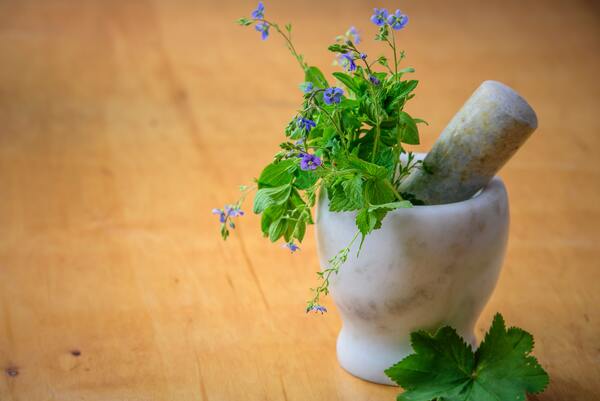
In this study, the authors investigated the biological mechanism underlying the actions of a traditional medicinal plant, Astragalus membranaceus. Using C. elegans as an experimental model, they tested the effects of AM root on heat stress responses. Their results suggest that AM root extract may enhance the activity of endogenous pathways that mediate cellular responses to heat stress.
Read More...Performance comparison of indoor polyculture utilizing hydroponic and soil-based systems
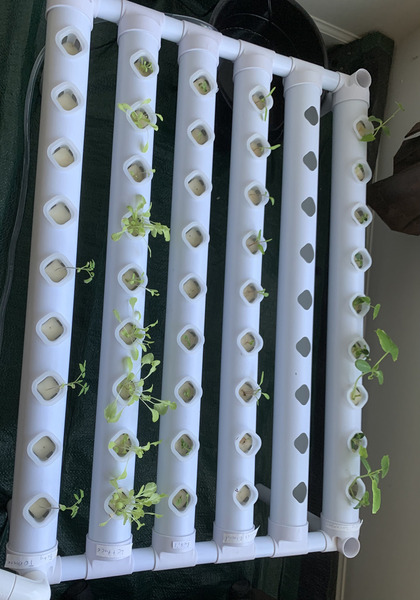
Hydroponics is often promoted as a highly efficient alternative to traditional soil farming, but its effectiveness in small indoor polyculture systems is not well understood. In this study, students compared plant growth and maturity across hydroponic and soil-based indoor polycultures and found that soil grown plants were generally taller and more mature than those grown hydroponically. These results suggest that soil-based methods may outperform hydroponics in certain household polyculture settings.
Read More...Silver armor against bacteria: A battle of antimicrobial effectiveness
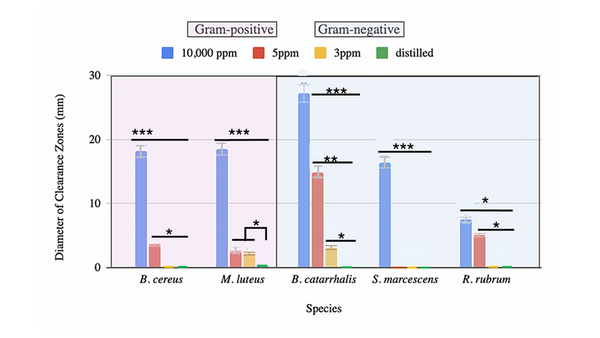
Pathogenic bacteria cause major economic losses in agriculture, and widespread antibiotic use has led to increasing resistance. This study tested whether a low-cost DIY method could produce antibacterial colloidal silver effective against both Gram-negative and Gram-positive plant pathogens.
Read More...