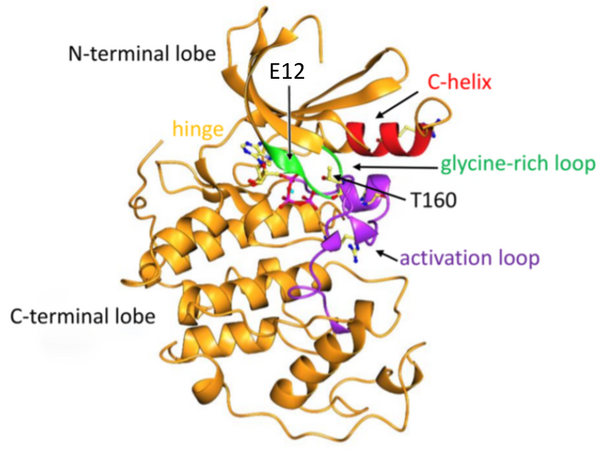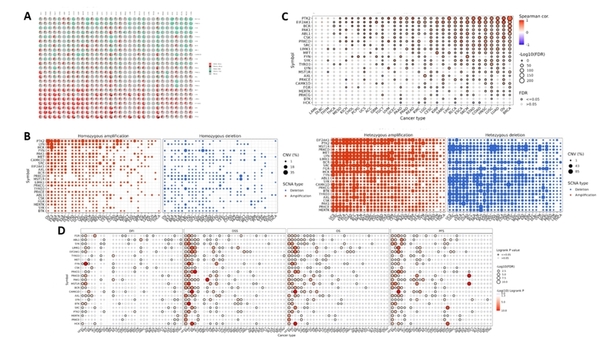
This study analyzes genetic alterations and expression patterns of protein kinases involved in phagocytosis across multiple cancers using TCGA data.
Read More...Protein kinases in phagocytosis (phagocytotic kinome): A promising biomarker set in cancer therapeutics
This study analyzes genetic alterations and expression patterns of protein kinases involved in phagocytosis across multiple cancers using TCGA data.
Read More...C reactive protein and risk of neurological deficits and disability in patients with acute ischemic stroke

The authors looked at the correlation between C reactive protein levels and neurological deficits in patients who had suffered an ischemic stroke.
Read More...The optimization of high-protein duckweed cultivation in eutrophicated water with mutualistic bacteria

he rapid growth of the human population is driving food crises in Thailand and Southeast Asia, while contributing to global food insecurity and a larger carbon footprint. One potential solution is cultivating duckweed (Wolffia globosa) for consumption, as it grows quickly and can provide an alternative protein source. This research explored two methods to optimize duckweed cultivation: using phosphorus- and nitrogen-rich growing media and plant growth-promoting bacteria (PGPB).
Read More...DNA repair protein mutations alter blood cancer sensitivity to cisplatin or gemcitabine in vitro
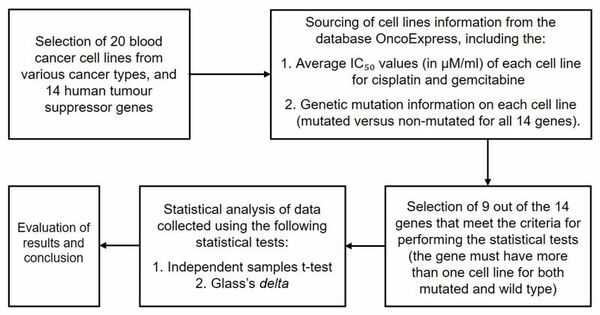
The authors investigate whether human blood cancers carrying mutations in DNA repair genes possess increased sensitivity to common chemotherapy drugs cisplatin or gemcitabine.
Read More...Reducing levels of C-Reactive Protein: An eight-week, open-label clinical trial of three oral supplements

In this study, the effects of vitamin C, ginger, or curcumin supplements on C-reactive protein levels in healthy participants are determined in an eight-week open-label trial.
Read More...Fluorescein or Green Fluorescent Protein: Is It Possible to Create a Sensor for Dehydration?
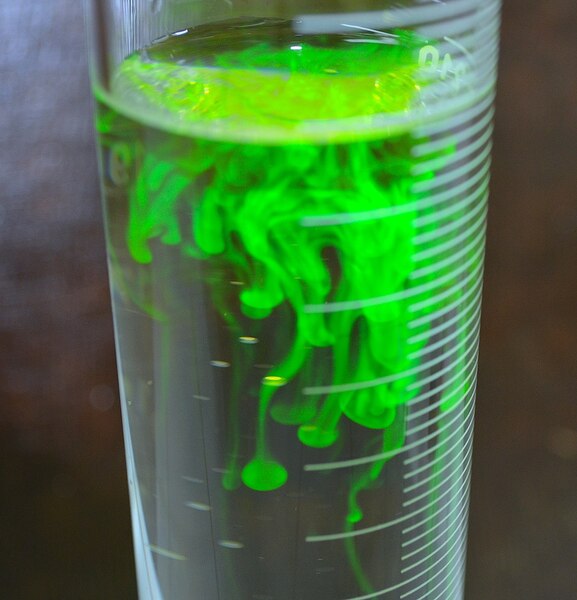
Currently there is no early dehydration detection system using temperature and pH as indicators. A sensor could alert the wearer and others of low hydration levels, which would normally be difficult to catch prior to more serious complications resulting from dehydration. In this study, a protein fluorophore, green fluorescent protein (GFP), and a chemical fluorophore, fluorescein, were tested for a change in fluorescence in response to increased temperature or decreased pH. Reversing the pH change did not restore GFP fluorescence, but that of fluorescein was re-established. This finding suggests that fluorescein could be used as a reusable sensor for a dehydration-related pH change.
Read More...Investigating the effects of mutations of amino acids on the protein expression of CDK2 cancer gene
Mutation of the Catalytic Cysteine in Anopheles gambiae Transglutaminase 3 (AgTG3) Abolishes Plugin Crosslinking Activity without Disrupting Protein Folding Properties
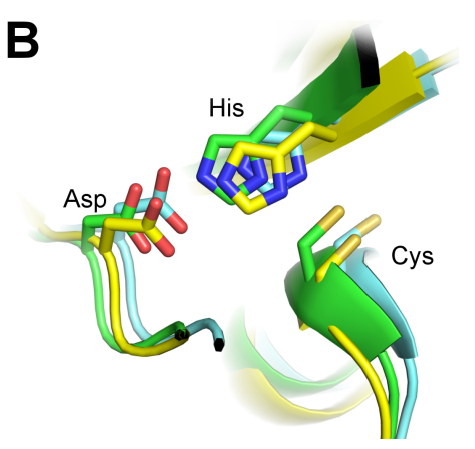
Malaria is a major public health issue, especially in developing countries, and vector control is a major facet of malaria eradication efforts. Recently, sterile insect technique (SIT), or the release of sterile mosquitoes into the wild, has shown significant promise as a method of keeping vector populations under control. In this study, the authors investigate the Anopheles gambiae transglutaminase 3 protein (AgT3), which is essential to the mating of the Anopheles mosquito. They show that an active site mutation is able to abolish the activity of the AgT3 enzyme and propose it as a potential target for chemosterilant inhibitors.
Read More...High-throughput virtual screening of novel dihydropyrimidine monastrol analogs reveals robust structure-activity relationship to kinesin Eg5 binding thermodynamics
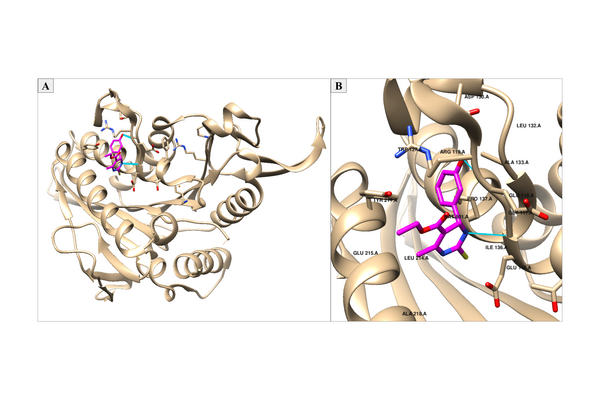
As cancer continues to take millions of lives worldwide, the need to create effective therapeutics for the disease persists. The kinesin Eg5 assembly motor protein is a promising target for cancer therapeutics as inhibition of this protein leads to cell cycle arrest. Monastrol, a small dihydropyrimidine-based molecule capable of inhibiting the kinesin Eg5 function, has attracted the attention of medicinal chemists with its potency, affinity, and specificity to the highly targeted loop5/α2/α3 allosteric binding pocket. In this work, we employed high-throughput virtual screening (HTVS) to identify potential small molecule Eg5 inhibitors from a designed set of novel dihydropyrimidine analogs structurally similar to monastrol.
Read More...Evolution of Neuroplastin-65
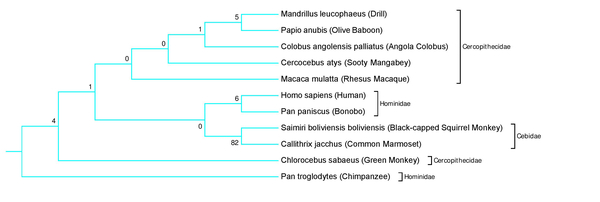
Human intelligence is correlated with variation in the protein neuroplastin-65, which is encoded by the NPTN gene. The authors examine the evolution of this gene across different animal species.
Read More...