Browse Articles

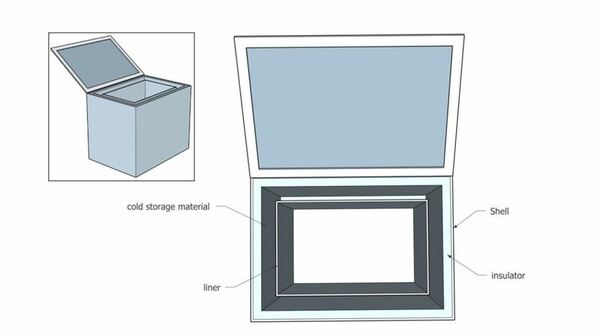
A new hybrid cold storage material

Zhang et al. | Jun 05, 2022

A new hybrid cold storage material

With low-temperature transportation being critical for the progress of research and medical services by preserving biological samples and vaccines, the optimization of cold storage materials is more critical now than ever. The exclusive use of dry ice has its limitations. Notably, it proves insufficient for cold storage during long-range transportation necessary for the delivery of specimens to rural areas. In this article, the authors have proposed a new means of cold storage through the combination of dry ice and ethanol. Upon thorough analysis, the authors have determined their new method as considerably better than the use of pure dry ice across many characteristics, including cold storage capacity, longevity of material, and financial and environmental feasibility.

Read More...

Fluorescein or Green Fluorescent Protein: Is It Possible to Create a Sensor for Dehydration?

Joshi et al. | Dec 09, 2019

Fluorescein or Green Fluorescent Protein: Is It Possible to Create a Sensor for Dehydration?

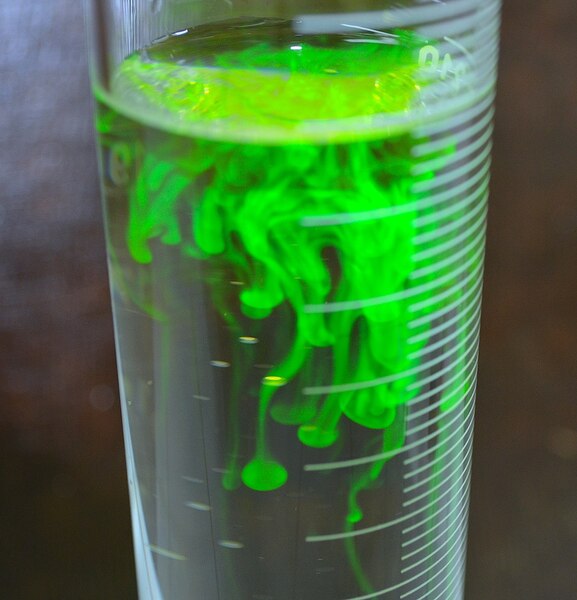
Currently there is no early dehydration detection system using temperature and pH as indicators. A sensor could alert the wearer and others of low hydration levels, which would normally be difficult to catch prior to more serious complications resulting from dehydration. In this study, a protein fluorophore, green fluorescent protein (GFP), and a chemical fluorophore, fluorescein, were tested for a change in fluorescence in response to increased temperature or decreased pH. Reversing the pH change did not restore GFP fluorescence, but that of fluorescein was re-established. This finding suggests that fluorescein could be used as a reusable sensor for a dehydration-related pH change.

Read More...

Determining the Habitable Zone Around a Star

Lee et al. | May 29, 2013

Determining the Habitable Zone Around a Star

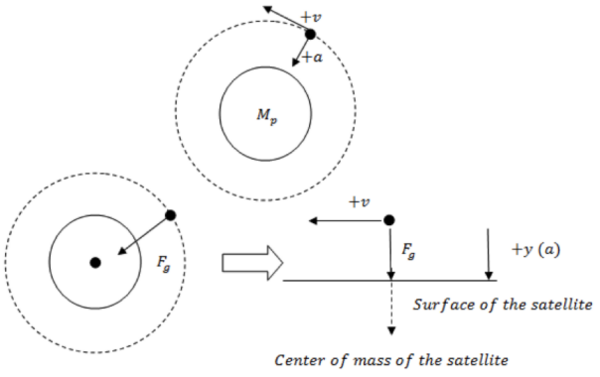
Life requires many things, including a hospitable temperature, elements, and energy. Here the authors utilize Newton's laws of physics and information relating a star's luminosity and temperature to determine the minimum and maximum masses and luminosities of planets and stars that would support life as we know it. This work can be used to determine the likelihood of a planet being able to support life based on attributes we can measure from here on Earth.

Read More...

Developing a neural network to model the mechanical properties of 13-8 PH stainless steel alloy

Zeng et al. | Sep 10, 2023

Developing a neural network to model the mechanical properties of 13-8 PH stainless steel alloy
Image credit: Pixabay

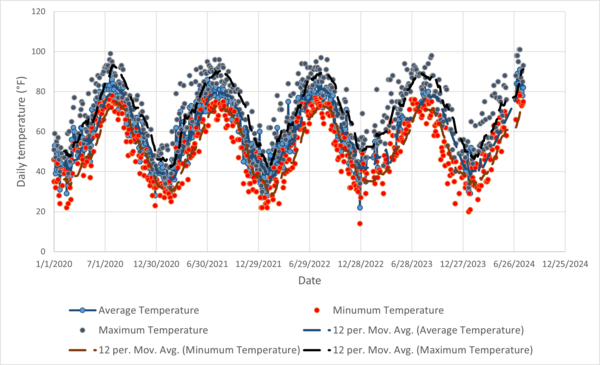
We systematically evaluated the effects of raw material composition, heat treatment, and mechanical properties on 13-8PH stainless steel alloy. The results of the neural network models were in agreement with experimental results and aided in the evaluation of the effects of aging temperature on double shear strength. The data suggests that this model can be used to determine the appropriate 13-8PH alloy aging temperature needed to achieve the desired mechanical properties, eliminating the need for many costly trials and errors through re-heat treatments.

Read More...

Formation and sticking of air bubbles in water in d-block containers

Gupta et al. | Jun 21, 2021

Formation and sticking of air bubbles in water in d-block containers

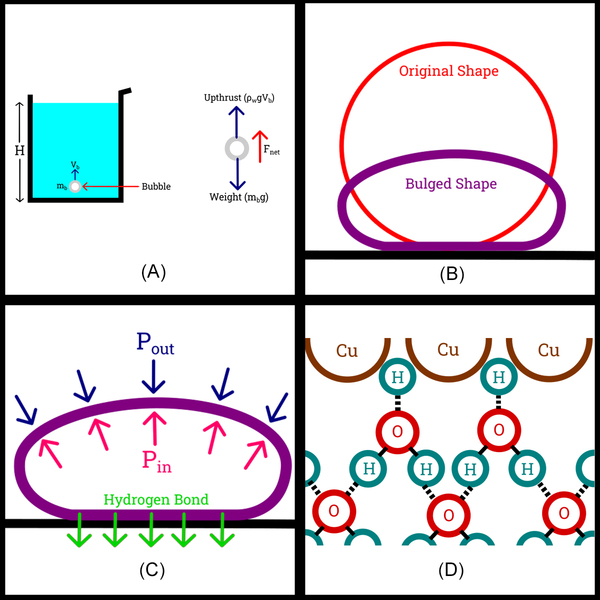
Bubbles! In this study, the authors investigate the effects that different materials, temperature, and distance have on the formation of water bubbles on the surface of copper and steel. They calculated mathematical relations based on the outcomes to better understand whether interstitial hydrogen present in the d-block metals form hydrogen bonds with the water bubbles to account for the structural and mechanical stability.

Read More...

Is Cloud Cover One of the Effects of Climate Change?

Crair et al. | Mar 27, 2014

Is Cloud Cover One of the Effects of Climate Change?

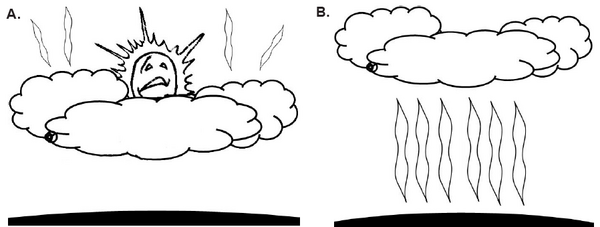
Climate change is one of the most controversial challenges humans face. Here the authors investigate the dual role of clouds - to reflect incoming light away from the Earth and to reflect heat energy back toward the Earth's surface. They find that the amount of incident light energy and surface temperature decreases as the sky becomes cloudier. These results will inform longer-term studies that may compare against the amount of energy clouds reflect back toward the Earth.

Read More...