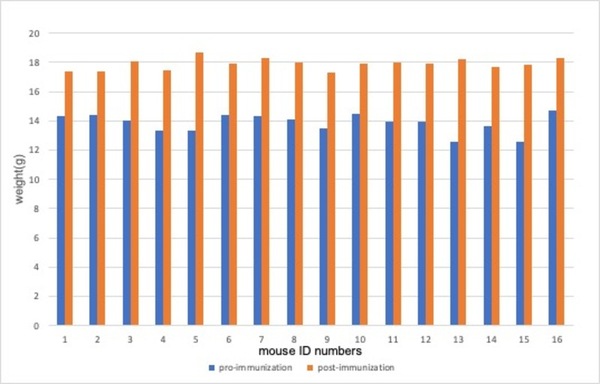
The authors looked at the immunogenicity of a newly developed pneumococcal conjugate vaccine compared to a previously developed one. They found the newly developed vaccine did elicit an immune response.
Read More...Immunogenicity of Minhai 13-valent pneumococcal polysaccharide conjugate vaccine in experimental mice
The authors looked at the immunogenicity of a newly developed pneumococcal conjugate vaccine compared to a previously developed one. They found the newly developed vaccine did elicit an immune response.
Read More...The correlation between bacteria and colorectal cancer
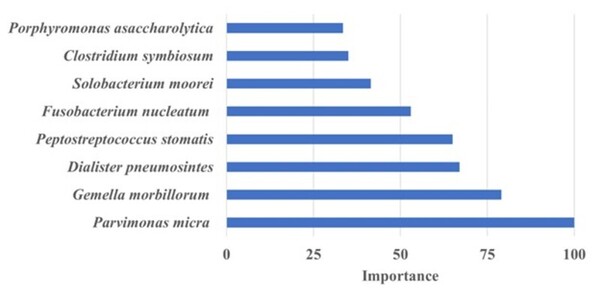
The authors looked at abundance of bacteria in stool samples from patients with colorectal cancer compared to controls. They found different bacteria that was more prevalent in patients with colorectal cancer as well as bacteria in control patients that may indicate a beneficial gut microbiome.
Read More...Impacts of the gut microbiota on arginine synthesis
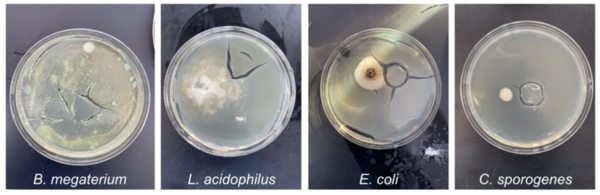
In this article the authors looked at arginine synthesis across different bacteria commonly found in different regional diets. They found that B. megaterium and C. sporogenes both caused a higher pH to occur on their agar plates compared to other bacteria tested indicating a greater amount of arginine synthesis.
Read More...Star anise and oregano essential oil: A comparative evaluation of antibacterial effect
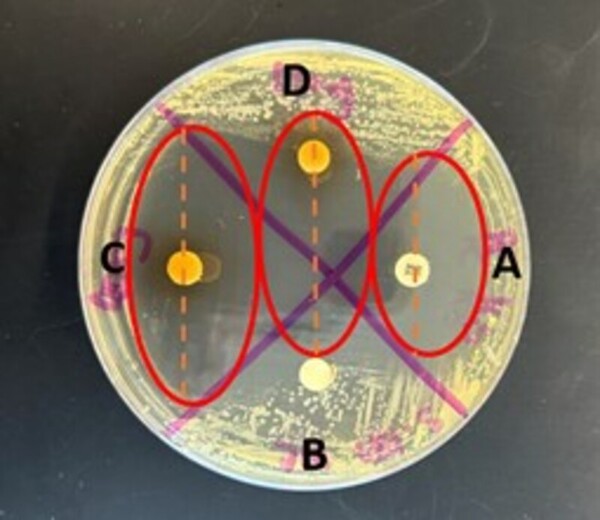
The authors looked at the antibacterial effects of oregano and star anise essential oils against E. coli or S. epidermis. They found that oregano oil showed antibacterial activity against both E. coli or S. epidermis, and that star anise oil had a larger zone of inhibition in E. coli than tetracycline, a conventional antibiotic.
Read More...Inhibitory effects of captan on growth of Escherichia coli and Bacillus coagulans
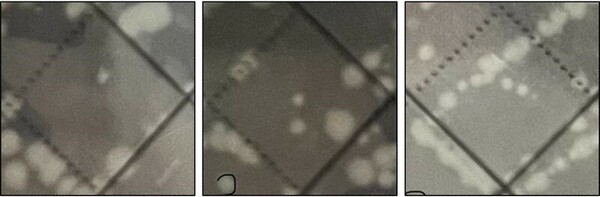
The authors test the effects of the pesticide captan on the growth of gut microbiome bacteria including Bacillus coagulan and Escherichia coli.
Read More...Voltage, power, and energy production of a Shewanella oneidensis biofilm microbial fuel cell in microgravity
.PNG)
The authors looked at the ability of Shewanella oneidensis to generate energy in a microbial fuel cell under varying conditions. They found that the S. Onedensis biofilm was able to produce energy in microgravity and that one of the biggest factors that limited energy production was a decrease in growth medium present.
Read More...Primary source of dietary protein is correlated with differences in the intestinal microbiome diversity
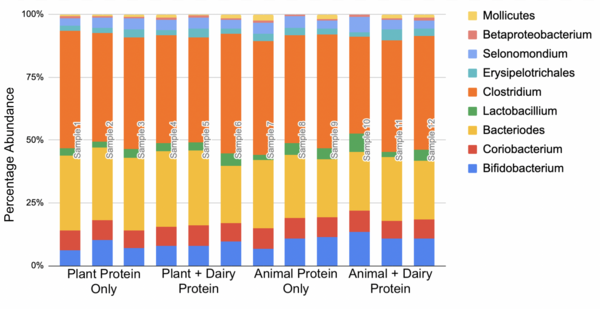
We know relatively little about how vegan diets and non-vegan diets compare when it comes to the gut microbiome. Gollamudi and Gollamudi tackle this challenge by investigating how changes in a participant's diet affected the diversity of their intestinal microbiome.
Read More...Virtual Screening of Cutibacterium acnes Antibacterial Agent Using Natural Compounds Database
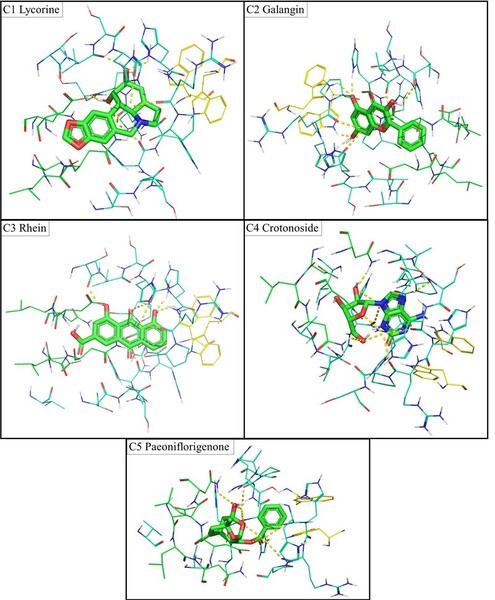
A common form of Acne is caused by a species of bacterium called Cutibacterium acnes. By using a predictive algorithm and structural analysis, the authors identified 5 small molecules with high affinity to growth factors in Catibacterium acnes. This has potential implications for supplemental skincare products.
Read More...Novel biaryl imines and amines as potential competitive inhibitors of dihydropteroate synthase
.jpeg)
In this study, the authors design a series of new biaryl small molecules to target and block the binding pocket of the enzyme dihydropteroate synthase, which is important for prokaryotic biosynthesis of folic acid and could serve as better antimicrobial compounds.
Read More...The effects of different modes of vocalization and food consumption on the level of droplet transmission of bacteria
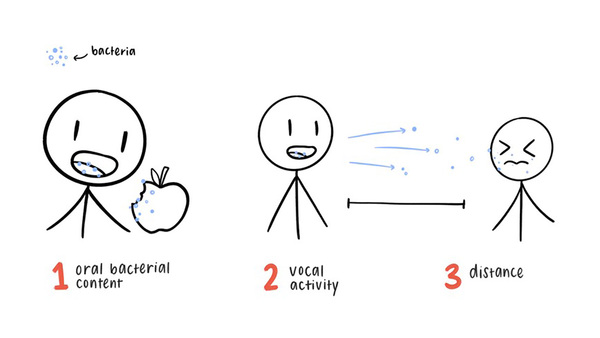
Microbial agents reposnsible for respiratory infections are often carried in spittle, which means they can be easily transmitted. Here, the authors investigate how likely certain activities are to spread microbes carried in spittle. They also investigate whether eating certain types of food might reduce the spread of spittle-borne bacteria too.
Read More...