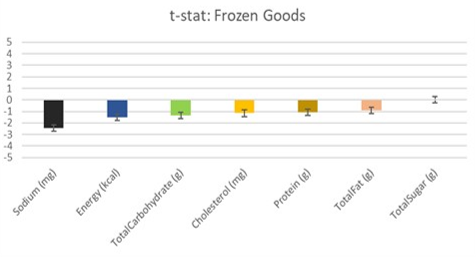
The authors compare nutritional content of foods found in Western versus Asian grocery stores to determine whether one cultural diet is healthier than the other.
Read More...Are Asian foods healthier than Western foods: Evidence collected from St. Louis area grocery stores
The authors compare nutritional content of foods found in Western versus Asian grocery stores to determine whether one cultural diet is healthier than the other.
Read More...Utilizing a novel T1rho method to detect spinal degeneration via magnetic resonance imaging
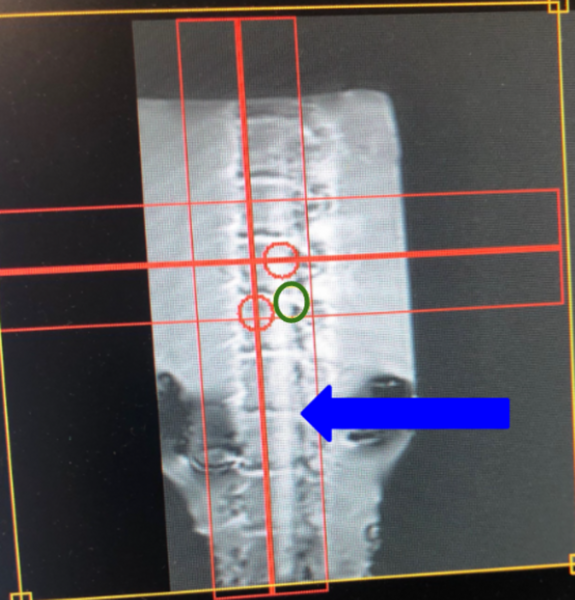
Spinal degeneration has been linked to critical conditions such as osteoarthritis in adults aged 40+; while this condition is considered to be irreversible, we took interest in magnetic resonance imaging (MRI) for early detection of the condition. Ultimately, our purpose was to determine the effectiveness of a relatively novel T1rho method in the early detection of spinal degeneration, and we hypothesized that the early to mild progression of spinal degeneration would affect T1rho values following an MRI scan.
Read More...Breast cancer mammographic screening by different guidelines among women of different races/ethnicities
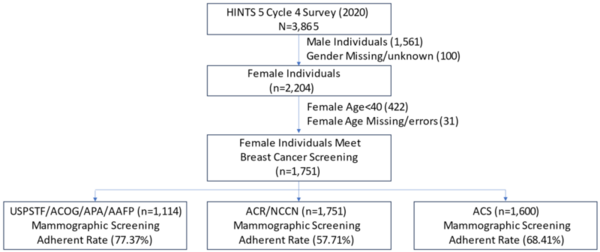
Mammographic screening is a common diagnostic tool for breast cancer among average-risk women. The authors hypothesized that adherence rates for mammographic screening may be lower among minorities (non-Hispanic black (NHB) and Hispanic/Latino) than among non-Hispanic whites (NHW) regardless of the guideline applied. The findings support other studies’ results that different racial/ethnic and socio-demographic factors can affect screening adherence. Therefore, healthcare providers should promote breast cancer screening especially among NHW/Hispanic women and women lacking insurance coverage.
Read More...A spatiotemporal analysis of OECD member countries on sugar consumption and labor force participation
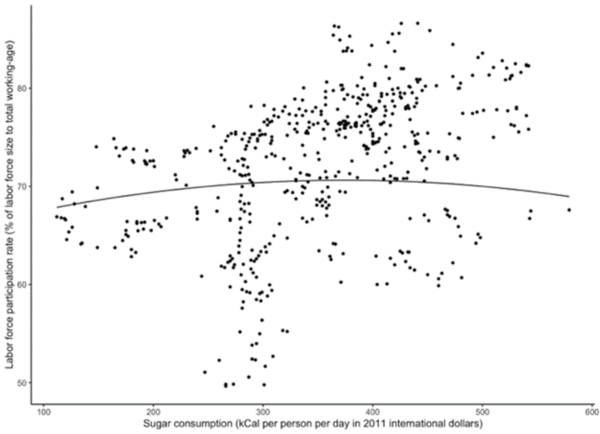
In this article the authors look at sugar consumption and the relationship to productivity in the work/labor force.
Read More...Developing anticholinergic drugs for the treatment of asthma with improved efficacy
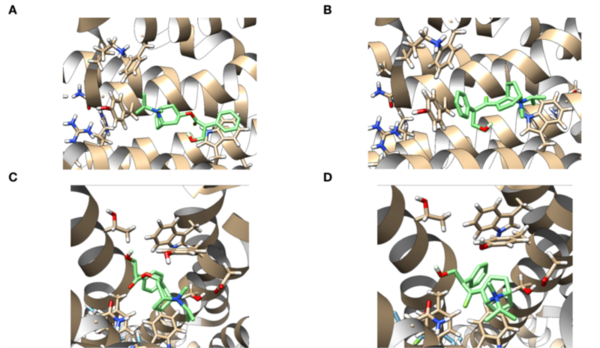
Anticholinergics are used in treating asthma, a chronic inflammation of the airways. These drugs block human M1 and M2 muscarinic acetylcholine receptors, inhibiting bronchoconstriction. However, studies have reported complications of anticholinergic usage, such as exacerbated eosinophil production and worsened urinary retention. Modification of known anticholinergics using bioisosteric replacements to increase efficacy could potentially minimize these complications. The present study focuses on identifying viable analogs of anticholinergics to improve binding energy to the receptors compared to current treatment options. Glycopyrrolate (G), ipratropium (IB), and tiotropium bromide (TB) were chosen as parent drugs of interest, due to the presence of common functional groups within the molecules, specifically esters and alcohols. Docking score analysis via AutoDock Vina was used to evaluate the binding energy between drug analogs and the muscarinic acetylcholine receptors. The final results suggest that G-A3, IB-A3, and TB-A1 are the most viable analogs, as binding energy was improved when compared to the parent drug. G-A4, IB-A4, IB-A5, TB-A3, and TB-A4 are also potential candidates, although there were slight regressions in binding energy to both muscarinic receptors for these analogs. By researching the effects of bioisosteric replacements of current anticholinergics, it is evident that there is a potential to provide asthmatics with more effective treatment options.
Read More...Socio-economic factor impact on malnutrition in South Indian government school children
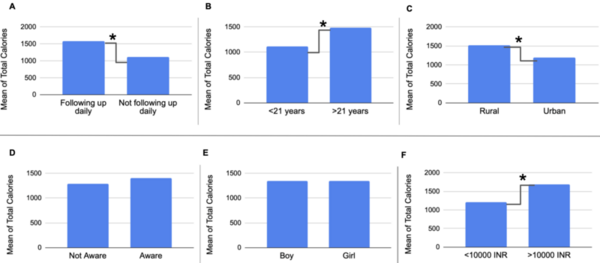
The authors look at malnutrition in children and how socio-economic factors impact this.
Read More...Interleukin family (IL-2 and IL-1β) as predictive biomarkers in Indian cancer patients: A proof of concept study
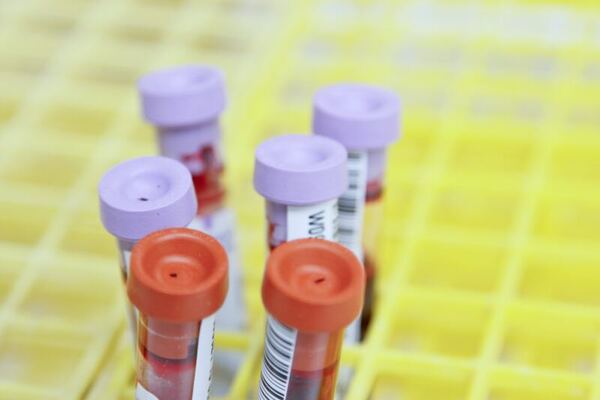
Here, recognizing that the immune response to cancer results in biomarkers that can be used to assess the immune status of cancer patients, the authors investigated the concentrations of key cytokines (TH1 and TH2 cytokines) in healthy controls and cancer patients. They identified significant changes in resting and activated cytokine profiles, suggesting that data of biomarkers such as these could serve as a starting point for further treatment with regard to a patient's specific immune profile.
Read More...Deciphering correlation and causation in risk factors for heart disease with Mendelian randomization
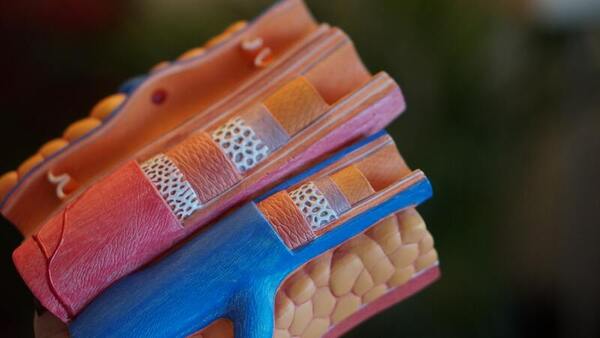
Here, seeking to identify the risk of coronary artery disease (CAD), a major cause of cardiovascular disease, the authors used Mendelian randomization. With this method they identified several traits such as blood pressure readings, LDL cholesterol and BMI as significant risk factors. While other traits were not found to be significant risk factors.
Read More...The study of technology and the use of individual cognitive effort

A trial study was performed in 2021 to investigate the link between technology and transactive memory. Transactive memory is shared knowledge in which members share the responsibility to encode, store, and retrieve certain tasks or assignments, leading to a successful and collective performance. We hypothesize that a participants’ expected access to an external source affects the recall rate and retrieval of information.
Read More...Prediction of preclinical Aβ deposit in Alzheimer’s disease mice using EEG and machine learning
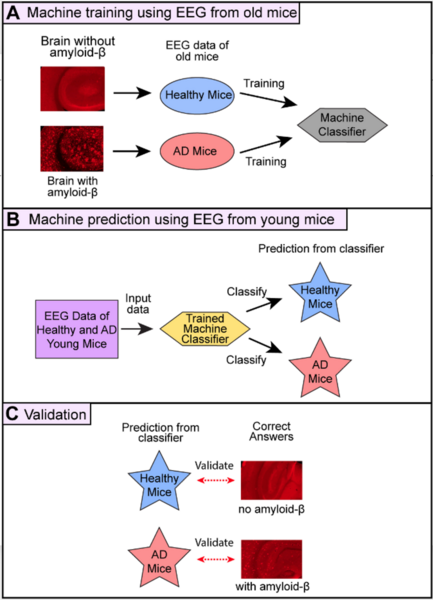
Alzheimer’s disease (AD) is a common disease affecting 6 million people in the U.S., but no cure exists. To create therapy for AD, it is critical to detect amyloid-β protein in the brain at the early stage of AD because the accumulation of amyloid-β over 20 years is believed to cause memory impairment. However, it is difficult to examine amyloid-β in patients’ brains. In this study, we hypothesized that we could accurately predict the presence of amyloid-β using EEG data and machine learning.
Read More...