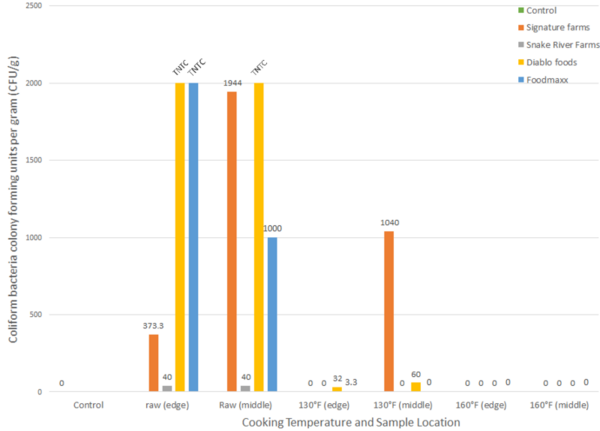
The authors looked at the presence of coliform bacteria present in ground beef after cooking it various CDC standards. They found that no coliform bacteria was present when CDC guidelines for cooking ground beef were properly followed.
Read More...Quantifying coliform bacteria in ground beef to evaluate food safety guidelines
The authors looked at the presence of coliform bacteria present in ground beef after cooking it various CDC standards. They found that no coliform bacteria was present when CDC guidelines for cooking ground beef were properly followed.
Read More...Examining the prevalence of depression in coronary artery disease patients: a cross-sectional analysis
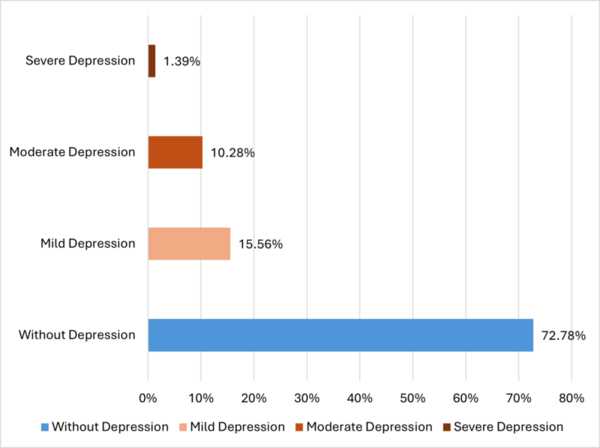
The authors surveyed individuals diagnosed with coronary artery disease about their mental health to study a potential connection between coronary artery disease and depression.
Read More...Investigating the inhibition of catabolic enzymes for implications in cardiovascular diseases and diabetes
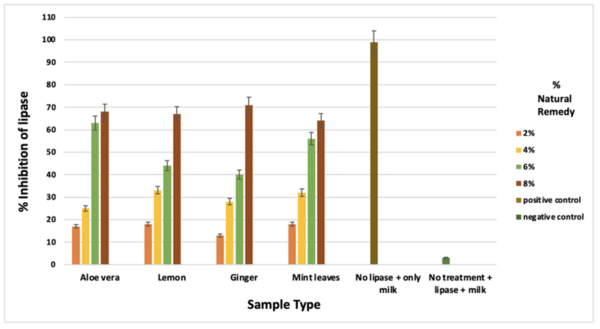
Enzymes that metabolize carbohydrates and lipids play a key role in our health, including global health challenges like cardiovascular diseases and diabetes. To learn more about these important enzymes, Gandhi and Gandhi test whether various natural substances (ginger, Aloe vera, lemon, and mint leaves) affect the activity of α-amylase and lipase enzymes.
Read More...Using broad health-related survey questions to predict the presence of coronary heart disease
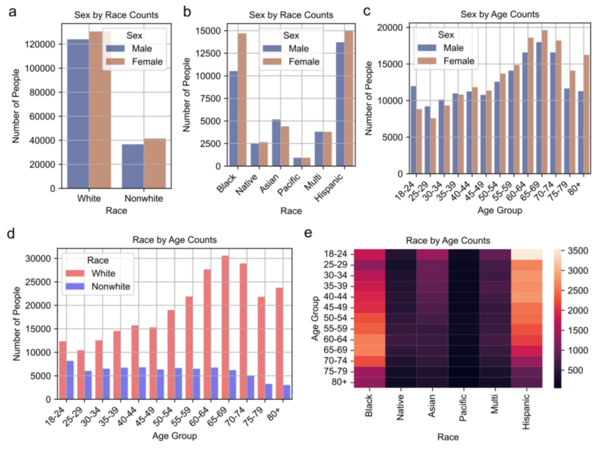
Coronary heart disease (CHD) is the leading cause of death in the U.S., responsible for nearly 700,000 deaths in 2021, and is marked by artery clogging that can lead to heart attacks. Traditional prediction methods require expensive clinical tests, but a new study explores using machine learning on demographic, clinical, and behavioral survey data to predict CHD.
Read More...Cardiovascular Disease Prediction Using Supervised Ensemble Machine Learning and Shapley Values
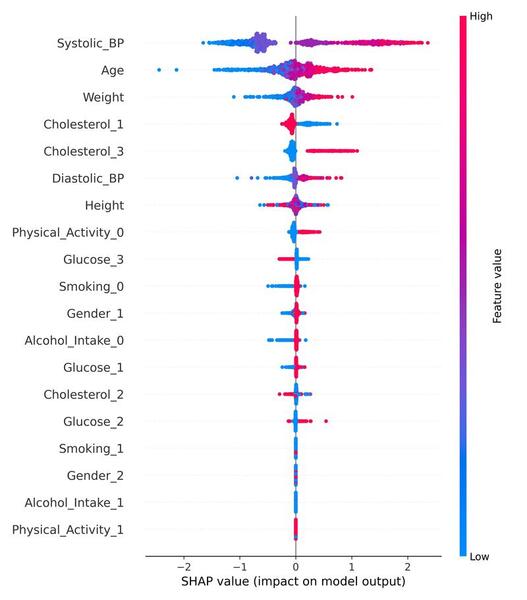
The authors test the effectiveness of machine learning to predict onset of cardiovascular disease.
Read More...Understanding investors behaviors during the COVID-19 outbreak using Twitter sentiment analysis
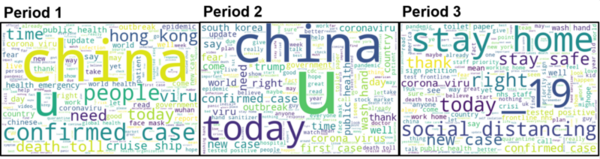
The authors examine a relationship between tweet sentiment and stock market behavior during the early weeks of the COVID-19 pandemic.
Read More...Relating socioeconomic position (SEP) and vaccination with Covid-19 rates in select populations

This article describes the relationship between socioeconomic factors and the extent of how the COVID-19 Pandemic affected communities. Factors such as infection rate, vaccination rate, and economic status were all evaluated within the context of this article.
Read More...The influence of purpose-of-use on information overload in online social networking

Here, seeking to understand the effects of social media in relation to social media fatigue and/or overload in recent years, the authors used various linear models to assess the results of a survey of 27 respondents. Their results showed that increased duration of use of social media did not necessarily lead to fatigue, suggesting that quality may be more important than quantity. They also considered the purpose of an individual's social media usage as well as their engagement behavior during the COVID-19 pandemic.
Read More...Survival of Escherichia coli K-12 in various types of drinking water

For public health, drinking water should be free of bacterial contamination. The objective of this research is to identify the fate of bacteria if drinking water becomes contaminated and inform consumers on which water type enables the least bacteria to survive. We hypothesized that bottled mineral water would provide the most sufficient conditions for E. coli to survive. We found that if water becomes contaminated, the conditions offered by the three water types at room temperature allow E. coli to survive up to three days. At 72 hours, the bottled spring water had the highest average colony forming units (CFUs), with tap and mineral water CFU values statistically lower than spring water but not significantly different from each other. The findings of this research highlight the need of implementing accessible quality drinking water for the underserved population and for the regulation of water sources.
Read More...Comparing the effects of electronic cigarette smoke and conventional cigarette smoke on lung cancer viability
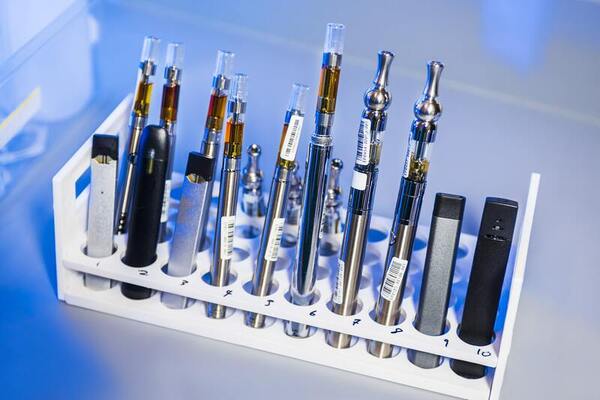
Here, recognizing the significant growth of electronic cigarettes in recent years, the authors sought to test a hypothesis that three main components of the liquid solutions used in e-cigarettes might affect lung cancer cell viability. In a study performed by exposing A549 cells, human lung cancer cells, to different types of smoke extracts, the authors found that increasing levels of nicotine resulted in improve lung cancer cell viability up until the toxicity of nicotine resulted in cell death. They conclude that these results suggest that contrary to conventional thought e-cigarettes may be more dangerous than tobacco cigarettes in certain contexts.
Read More...