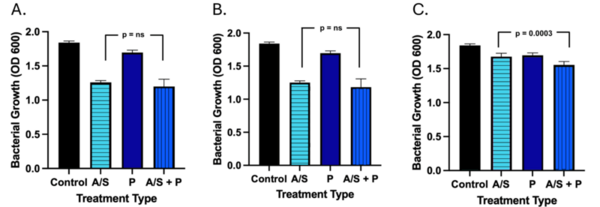
This article explores the potential of piperine, a bioenhancer from black pepper, to improve antibiotic efficacy against antibiotic-resistant Acinetobacter baumannii. By combining piperine with ampicillin-sulbactam, the study demonstrated a significant reduction in bacterial growth for most strains tested, showcasing the promise of bioenhancers in combating resistant pathogens. This research highlights the possibility of reducing the required antibiotic dosage, potentially offering a new strategy in the fight against drug-resistant bacteria.
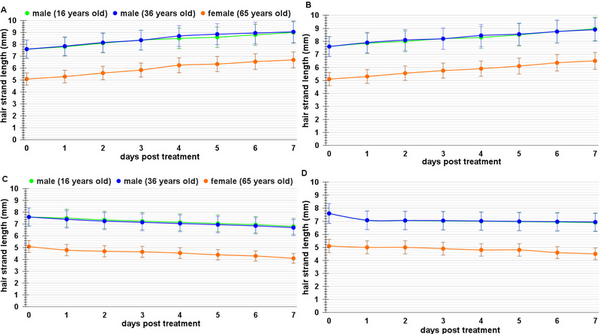
We are looking into natural ways to help hair grow better and stronger by studying keratin synthesis in human hair follicles. The reason for conducting this research was to have the ability to control hair growth through future innovations. We wanted to answer the question: How can we find natural ways to enhance hair growth by understanding the connection with natural resources, particularly keratin dynamics? The main focus of this experiment is understanding the promotion of keratin synthesis within human hair follicles, which is important for hair development and health. While keratin is essential for the growth and strength of body tissues, including skin and hair, our research hints at its specific synthesis within hair follicles. In our research utilizing castor oil, coconut oil, a turmeric and baking soda mixture, and a sugar, honey, and lemon mixture, we hypothesize that oils, specifically coconut oil and castor oil, will enhance keratin synthesis, whereas mixtures, such as the turmeric and baking soda mixture and the sugar, honey, and lemon mixture, will result in a decrease keratin synthesis. The methods used show how different natural substances influence keratin formation within the hair follicles. The experiment involved applying natural resources to hair strands and follicles, measuring their length under the microscope daily, and assessing their health and characteristics over seven days. In summary, our research helps us understand how hair grows better. We found that using natural items like essential oils effectively alters keratin growth within the hair follicles and hair strands.
The authors looked at using genetic algorithms to look at the Indian labor market and what features might best explain any variation seen. They found that features such as economic growth and household consumption, among others, best explained variation.
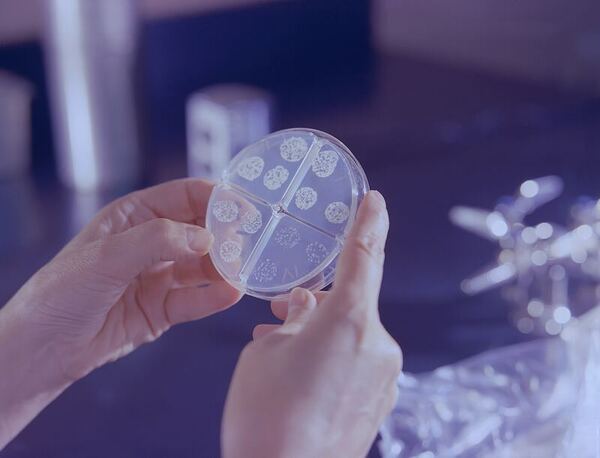
This study aimed to determine whether artificial sweeteners are harmful to the human microbiome by investigating two different bacteria found to be advantageous to the human gut, Escherichia coli and Bacillus coagulans. Results showed dramatic reduction in bacterial growth for agar plates containing two artificial sweeteners in comparison to two natural sweeteners. This led to the conclusion that both artificial sweeteners inhibit the growth of the two bacteria and warrants further study to determine if zero-sugar sweeteners may be worse for the human gut than natural sugar itself.
While resources on the safety of household cleaning products are plentiful, measures of efficacy of these cleaning chemicals against bacteria and viruses remain without standardization in the consumer market. The COVID pandemic has exasperated this knowledge gap, stoking the growth of misinformation and misuse surrounding household cleaning chemicals. Arriving at a time dire for sanitization standardization, the authors of this paper have created a quantifying framework for consumers by comparing a wide range of household cleaning products in their efficacy against bacteria generated by a safe and easily replicable yogurt model.
The authors tested environmentally-friendly alternatives to wastewater treatment chemicals, including activated charcoal for filtration and citrus peels for preventing bacterial growth.
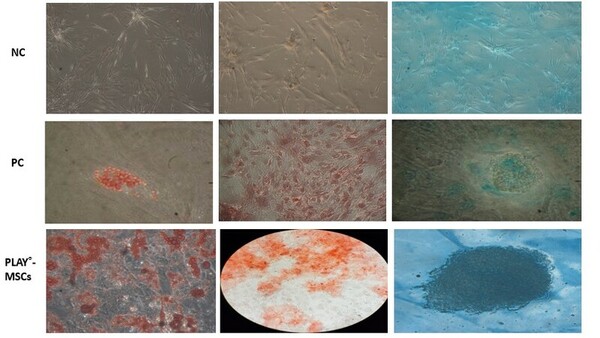
FBS is an important component in in vitro cell culture work, helping to provide needed nutrients to cells to grow. The authors look at the ability of an alternative to FBS to support cell growth in culture.
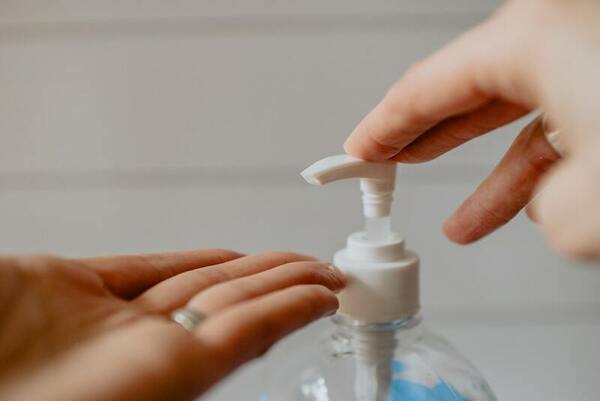
Here, recognizing the widespread use of hand sanitizers, the authors investigated their effectiveness in relation to storage temperature. They applied hand sanitizer before and after touching a cell phone and used LB-agar plates to monitor the growth of bacteria following this process. They found that 70% ethyl-alcohol-based sanitizers are least effective at temperatures above 107.27 °F and most effective at 96.17 °F.
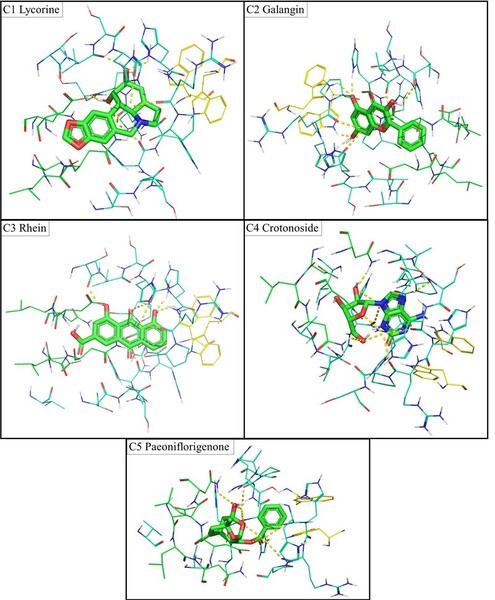
A common form of Acne is caused by a species of bacterium called Cutibacterium acnes. By using a predictive algorithm and structural analysis, the authors identified 5 small molecules with high affinity to growth factors in Catibacterium acnes. This has potential implications for supplemental skincare products.
This study examined the relationship between the slope of a terrain and vegetation, measured by the normalized difference vegetation index (NDVI). It was hypothesized that lower slope ranges would be more supportive of vegetation growth than higher slope ranges. Analysis showed that no slope (even as extreme as 85–90°) prohibits the growth of vegetation completely; even the steepest slopes examined contain plant life. Knowing that steep slopes can still support plant life, agriculturalists can begin to explore and start planting additional crops and plants at these extreme slopes.

_resized.jpg)