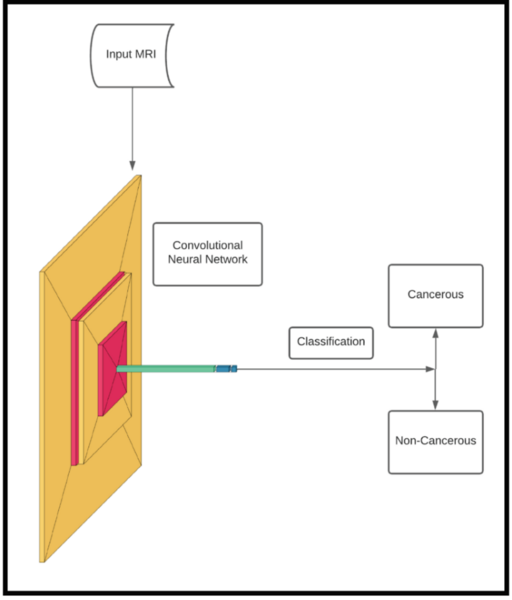
Using a convolution neural network, these authors show machine learning can clinically diagnose breast cancer with high accuracy.
Read More...Predicting the Instance of Breast Cancer within Patients using a Convolutional Neural Network
Using a convolution neural network, these authors show machine learning can clinically diagnose breast cancer with high accuracy.
Read More...Exploring the Wonders of the Early Universe: Green Pea Galaxies and Light Flux
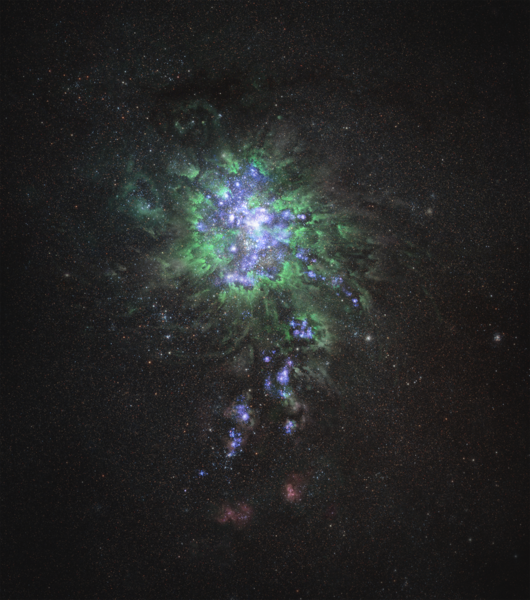
Studying other galaxies can help us understand the origins of the universe. Here, the authors study a type of galaxies known as Green Peas gaining insights that could help inform our understanding of Lyman alpha emitters, one of the first types of galaxies that existed in the early universe.
Read More...Physical Appearance and Its Effect on Trust
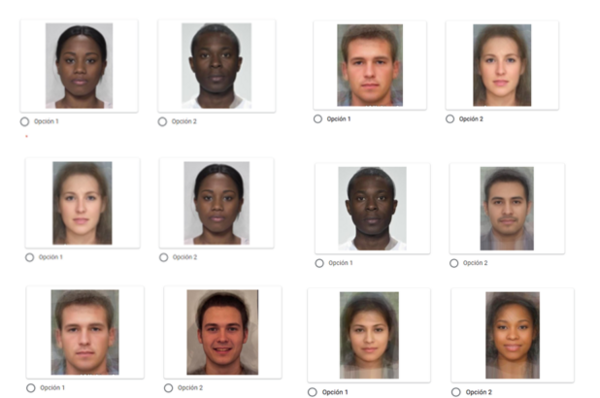
Do different physical traits affect teenagers’ initial trust of an unknown person? Would they give greater trust to women and people of similar ethnicity? To test these hypotheses, the authors developed a survey to determine the sets of physical characteristics that affect a person's trustworthiness. They found that gender and expression were the main physical traits associated with how trustworthy an individual looks, while ethnicity was also important.
Read More...Analysis of the Exoplanet HD 189733b to Confirm its Existence
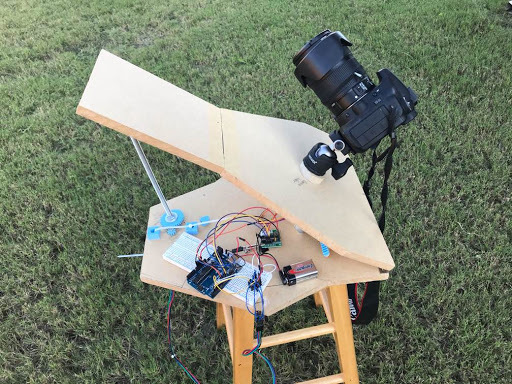
In this study, the authors study features of exoplanet 189733 b. This exoplanet, or planets that orbit stars other than the Sun, is found in the HD star system. Using a DSLR camera, they constructed a high caliber exoplanet transit detection tracker to study the orbital periods, radial velocity, and photometry of 189733 b. They then compared results from their system to data collected by other high precision studies. What they found was that their system produced results supporting previously published studies. These results are exciting results from the solar system demonstrating the importance of validating radial velocity and photometry data using high-precision studies.
Read More...Ground-based Follow-up Observations of TESS Exoplanet Candidates

The goal of this study was to further confirm, characterize, and classify LHS 3844 b, an exoplanet detected by the Transiting Exoplanet Survey Satellite (TESS). Additionally, we strove to determine the likeliness of LHS 3844 b and similar planets as qualified candidates for observation with the James Webb Space Telescope (JWST).
Read More...Bacterial contamination on New York City transit and the effectiveness of hand hygiene
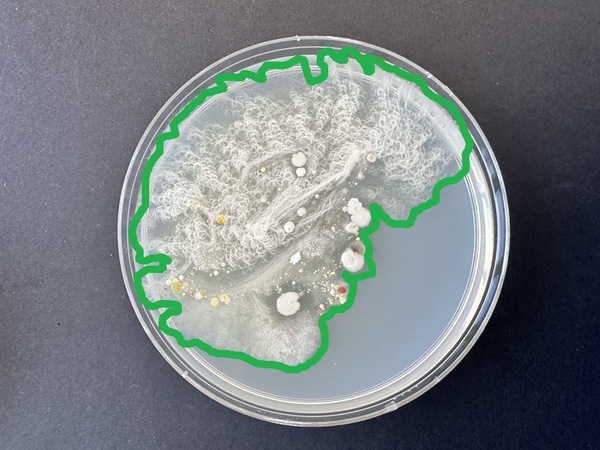
The authors studied bacterial contamination of the New York City transit system, as well as the effectiveness of hand washing and hand sanitizer.
Read More...Leveraging transfer learning with convolutional neural networks for cardiovascular disease detection
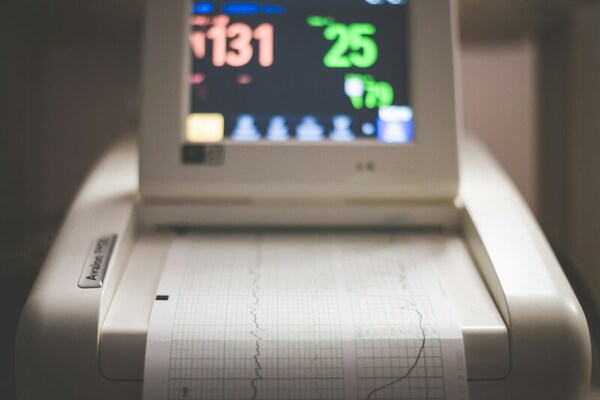
This study shows the efficacy of leveraging transfer learning, specifically from residual networks, to detect CVDs and possible signs of CVDs. The findings indicate that leveraging transfer learning from residual networks alongside medical professionals is a highly promising approach for CVD detection and diagnosis, warranting further investigation.
Read More...Impact of contamination variability on convolutional neural network accuracy in recycling classification
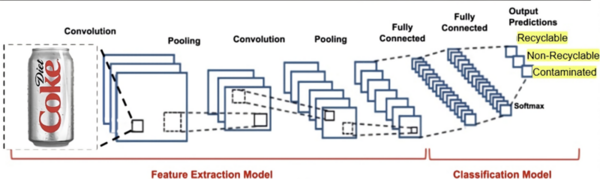
The authors looked at the ability of a convolutional neural network (CNN) to sort contaminated recycling, with varying levels of contamination. They found as contamination levels increased, the CNN faced more difficulty correctly classifying items.
Read More...Silver nanoparticle-coated orthopedic screws lead to greater calcium precipitation
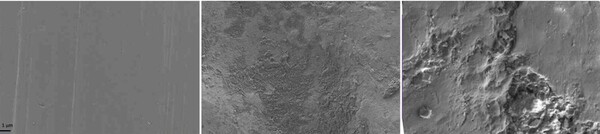
The authors test whether coating stainless steel orthopedic screws in silver will promote calcium precipitation to improve orthopedic implant integration into bone.
Read More...Tomato disease identification with shallow convolutional neural networks
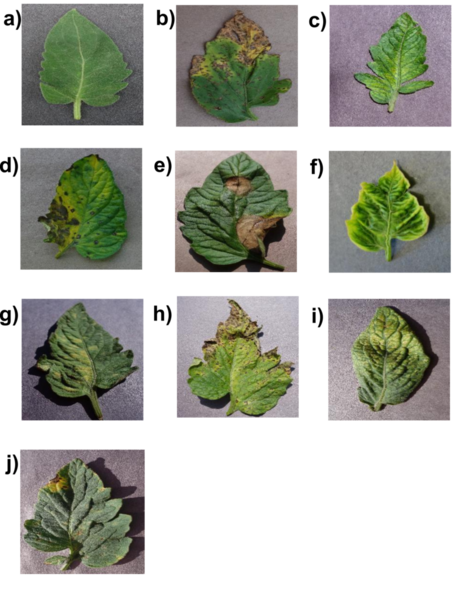
Plant diseases can cause up to 50% crop yield loss for the popular tomato plant. A mobile device-based method to identify diseases from photos of symptomatic leaves via computer vision can be more effective due to its convenience and accessibility. To enable a practical mobile solution, a “shallow” convolutional neural networks (CNNs) with few layers, and thus low computational requirement but with high accuracy similar to the deep CNNs is needed. In this work, we explored if such a model was possible.
Read More...