Browse Articles

Socio-economic and awareness correlates of physical activity of government school children in India

Nandivada et al. | Dec 11, 2022

Socio-economic and awareness correlates of physical activity of government school children in India

Here, based on the identified importance of physical activity in the development of young children, the authors investigated the effects of socioeconomic factors on the amount of physical activity of government-school children in India. They found significant differences between boys and girls, rural and urban, and children who were encouraged to exercise and those who were not. Overall, they suggest that their findings point to the important role of schools and communities in promoting healthy active lifestyles for developing children.

Read More...


The influence of purpose-of-use on information overload in online social networking

Agarkar et al. | Nov 01, 2022

The influence of purpose-of-use on information overload in online social networking

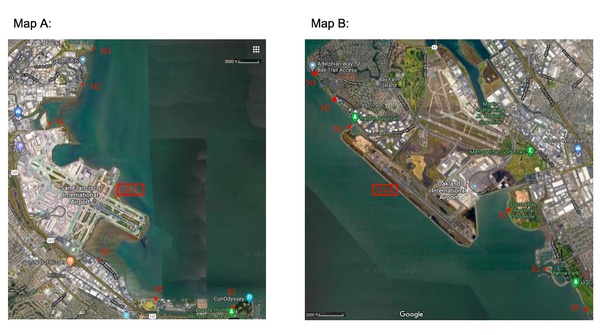
Here, seeking to understand the effects of social media in relation to social media fatigue and/or overload in recent years, the authors used various linear models to assess the results of a survey of 27 respondents. Their results showed that increased duration of use of social media did not necessarily lead to fatigue, suggesting that quality may be more important than quantity. They also considered the purpose of an individual's social media usage as well as their engagement behavior during the COVID-19 pandemic.

Read More...

Herbal Extracts Alter Amyloid Beta Levels in SH-SY5Y Neuroblastoma Cells

Xu et al. | Feb 25, 2020

Herbal Extracts Alter Amyloid Beta Levels in SH-SY5Y Neuroblastoma Cells

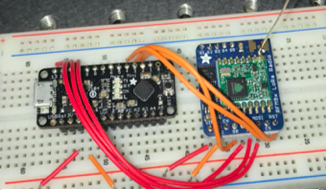
Alzheimer’s disease (AD) is a type of dementia that affects more than 5.5 million Americans, and there are no approved treatments that can delay the advancement of the disease. In this work, Xu and Mitchell test the effects of various herbal extracts (bugleweed, hops, sassafras, and white camphor) on Aβ1-40 peptide levels in human neuroblastoma cells. Their results suggest that bugleweed may have the potential to reduce Aβ1-40 levels through its anti-inflammatory properties.

Read More...

Combating Insulin Resistance Using Medicinal Plants as a Supplementary Therapy to Metformin in 3T3-L1 Adipocytes: Improving Early Intervention-Based Diabetes Treatment

Jayram et al. | Apr 08, 2019

Combating Insulin Resistance Using Medicinal Plants as a Supplementary Therapy to Metformin in 3T3-L1 Adipocytes: Improving Early Intervention-Based Diabetes Treatment

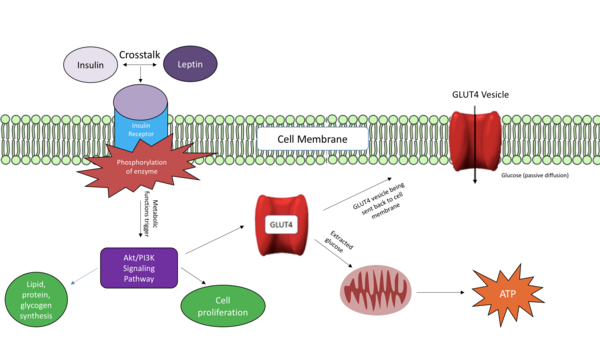
A primary cause of diabetes is insulin resistance, which is caused by disruption of insulin signal transduction. The objective of this study was to maximize insulin sensitivity by creating a more effective, early intervention-based treatment to avert severe T2D. This treatment combined metformin, “the insulin sensitizer”, and medicinal plants, curcumin, fenugreek, and nettle.

Read More...

Can Children Acquire Their Parents’ History of Fracture?

Boulis et al. | Sep 24, 2018

Can Children Acquire Their Parents’ History of Fracture?

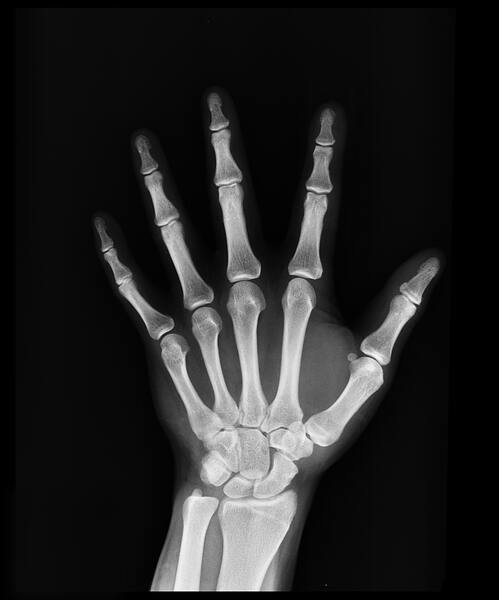
While the genetic basis of hip fracture risk has been studied extensively in adults, it is not known whether parental history of bone fractures affects their children's fracture risk. In this article, the authors investigated whether a parental history of bone fractures influences the rate of fractures in their children. They found that adolescent children whose parents had a more extensive history of fractures were more likely to have a history of fractures themselves, suggesting that parents' medical histories may be an important consideration in future pediatric health research.

Read More...