Browse Articles

The novel function of PMS2 mutation on ovarian cancer proliferation

Cho et al. | Dec 18, 2022

The novel function of <em>PMS2</em> mutation on ovarian cancer proliferation

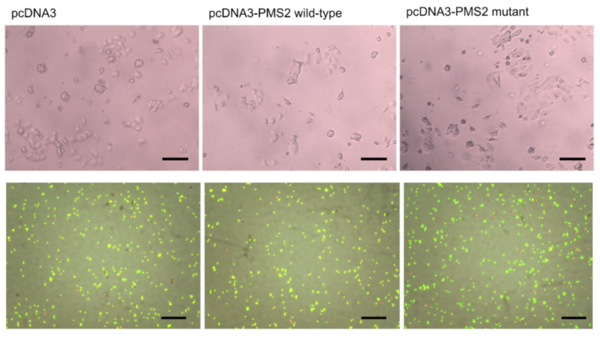
With disruption of DNA repair pathways pertinent to the timeline of cancer, thorough evaluation of mutations relevant to DNA repair proteins is crucial within cancer research. One such mutation includes S815L PMS2 - a mutation that results in significant decrease of DNA repair function by PMS2 protein. While mutation of PMS2 is associated with significantly increased colorectal and endometrial cancer risk, much work is left to do to establish the functional effects of the S815L PMS2 mutation in ovarian cancer progression. In this article, researchers contribute to this essential area of research by uncovering the tumor-progressive effects of the S815L PMS2 mutation in the context of ovarian cancer cell lines.

Read More...

Modelling effects of alkylamines on sea salt aerosols using the Extended Aerosols and Inorganics Model

Chang et al. | Apr 29, 2022

Modelling effects of alkylamines on sea salt aerosols using the Extended Aerosols and Inorganics Model

With monitoring of climate change and the evolving properties of the atmosphere more critical than ever, the authors of this study take sea salt aerosols into consideration. These sea salt aerosols, sourced from the bubbles found at the surface of the sea, serve as cloud condensation nuclei (CCN) and are effective for the formation of clouds, light scattering in the atmosphere, and cooling of the climate. With amines being involved in the process of CCN formation, the authors explore the effects of alkylamines on the properties of sea salt aerosols and their potential relevance to climate change.

Read More...

Anticancer, anti-inflammatory, and apoptotic activities of MAT20, a poly-herbal formulation.

Kashyap Jha et al. | Mar 29, 2022

Anticancer, anti-inflammatory, and apoptotic activities of MAT20, a poly-herbal formulation.

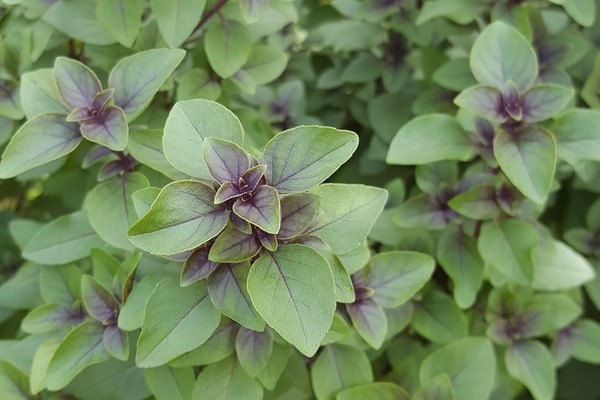
Kashyap Jha et al. look at the formulation of MAT20, a crude extract of the moringa, amla, and tulsi leaves, as a potential complementary and alternative medicine. Using HeLa cells, they find MAT20 up-regulates expression of inflammation and cell cytotoxicity markers. Their data is important for understanding the anti-cancer and anti-inflammatory properties of MAT20.

Read More...

Antibacterial effectiveness of turmeric against gram-positive Staphylococcus epidermidis

Cox et al. | Jan 10, 2022

Antibacterial effectiveness of turmeric against gram-positive <i>Staphylococcus epidermidis</i>

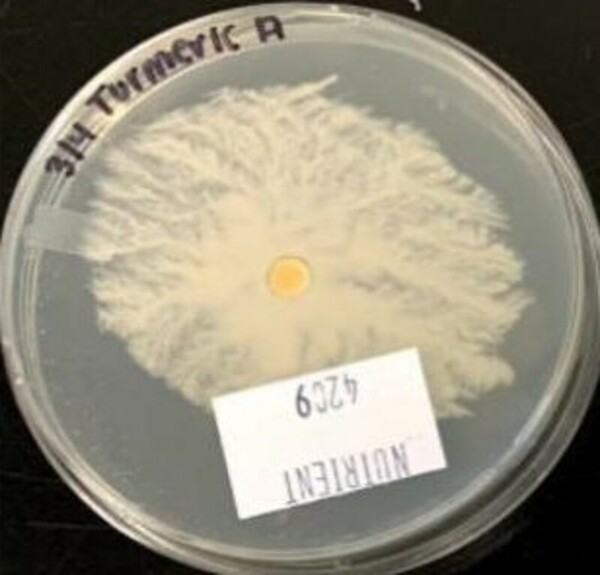
Infections caused by antibiotic resistance are a leading issue faced by the medical field. The authors studied the antibacterial effectiveness of turmeric against gram-positive Staphylococcus epidermidis using antibiotic sensitivity disks. They infused blank antibiotic sensitivity disks with a 5% concentrated solution of turmeric and placed them on agar plates inoculated with bacteria. Overall, there was no measurable ZOI surrounding the turmeric disk so the measurements for all trials were 0 cm, suggesting that turmeric at a 5% concentration is not an effective antibacterial against S. epidermidis.

Read More...

Can essential oils be allelopathic to Lolium multiforum without harming Solanum lycopersicum?

Madan et al. | Nov 13, 2021

 Can essential oils be allelopathic to <em>Lolium multiforum</em> without harming <em>Solanum lycopersicum</em>?

Seeking to investigate eco-friendly biological methods to control weeds and enhance food crop yields, here the authors considered the effects of three essential oils on seed germination and radicle length of both a weed and a common crop. They found that treatment with turmeric oil had phytotoxic potential, leading to a reduction in both seed germination and radicle length of the weed. In contrast, ginger oil possessed allelopathic properties towards both. The authors suggest that essential oils could be used as eco-friendly bio-herbicides.

Read More...

Inhibiting the ERK pathway and the TRPM7 ion channel in gastric and bladder cancer cells

Yang et al. | Oct 14, 2021

Inhibiting the ERK pathway and the TRPM7 ion channel in gastric and bladder cancer cells

In this work the authors investigate new possible treatment methods for gastric and bladder cancers. They specifically targeted the transient receptor potential cation subfamily M member 7 (TRPM7), an ion channel that plays an important role in the survival of both of these cancers, and extracellular regulated kinases (ERKs),which contributes to the carcinogenesis of many cancers including gastric cancer. As a result, the authors consider the effects of Ginsenoside Rd, NS8593, curcumin, and icariin , known to inhibit TRPM7 and ERK. The authors found that these treatments decrease proliferation and induce apoptosis in studies of gastric and bladder cancer cells.

Read More...

The analysis of the antimicrobial benefits of Populus balsamifera

Breen et al. | Sep 22, 2021

The analysis of the antimicrobial benefits of <em>Populus balsamifera</em>

In this study, the authors investigated the antimicrobial properties of the tree species, Populus balsamifera. It was observed that the extract of the buds of P. balsamifera was highly effective against gram-positive bacteria. This helps to indicate the potential use of P. balsamifera in the medical field to eliminate gram-positive bacteria.

Read More...

The Perks of Watching a Movie: How the Portrayal of Anxiety and Depression in Film Affects Teenagers’ Perception of Anxiety and Depressive Disorders

Wolcott et al. | Sep 11, 2021

The Perks of Watching a Movie: How the Portrayal of Anxiety and Depression in Film Affects Teenagers’ Perception of Anxiety and Depressive Disorders

In film, anxiety and depressive disorders are often depicted inaccurately. When viewers are exposed to these inaccurate portrayals, they collect misinformation about the disorders, as well as people who live with them, leading to stigma. This study used a mixed-method descriptive approach to analyze 16 teenagers’ attitudes towards people with anxiety and depression. Results found that while participants understood how these portrayals create stigma, they did not attribute this to misinformation. These results can be used to help both the film industry and the movie-going public better understand the effects of inaccurate storytelling and the extent to which it informs public perception

Read More...