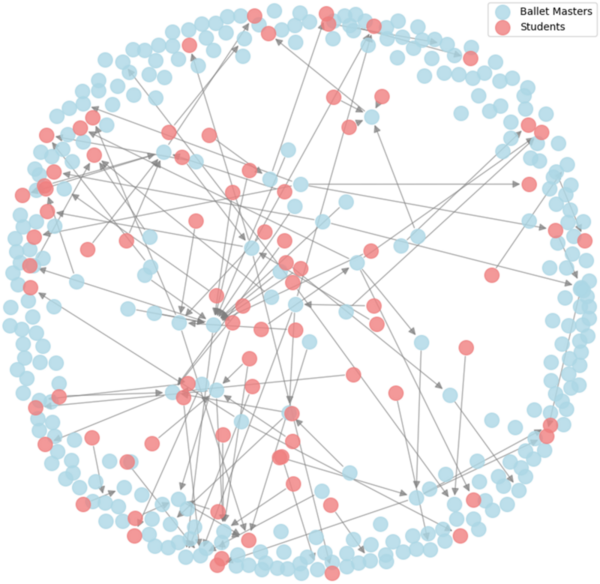
The authors examine the factors that impact a ballet master's career.
Read More...The role of institutional prestige, gender, and number of citizenships in ballet masters’ careers
The gender gap in STEM at top U.S. Universities: change over time and relationship with ranking
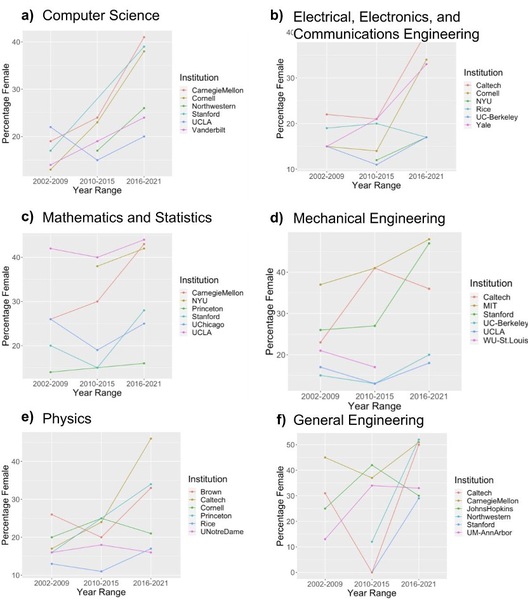
Authors address the gender disparity in STEM fields, examining changes in gender diversity across male-dominated undergraduate programs over 19 years at 24 top universities. Analyzing data from NCES IPEDS, it identifies STEM as persistently male-dominated but notes increasing gender diversity in many disciplines, particularly in recent years. Results indicate that higher-ranked universities in disciplines like computer science and mechanical engineering show a weak correlation with improved gender diversity, suggesting effective initiatives can mitigate the gender gap in STEM, despite ongoing challenges.
Read More...Algorithmic barriers: Investigating student perceptions of AI bias in subjective “culture fit” hiring

This study investigated perceptions of the emerging workforce toward the use of artificial intelligence in hiring, specifically for assessing subjective "culture fit." Through a mixed-methods survey of 150 high school and early-college students in Nepal, we found a significant disconnect between organizational adoption of AI and the profound skepticism of young job candidates, who express deep concerns about fairness, transparency, and the potential for AI to perpetuate systemic discrimination.
Read More...The impact of attending a more selective college on future income
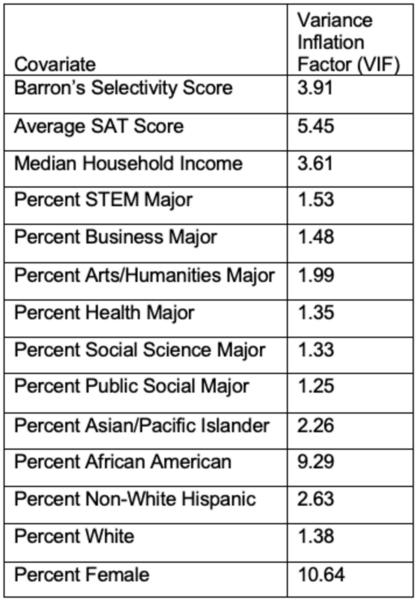
Debates around legacy preferences, recruited athletes, and affirmative action in U.S. college admissions often focus on the belief that graduating from a more selective institution leads to higher future earnings. The study hypothesized a positive correlation between college selectivity and future income due to enhanced resources and opportunities.
Read More...Risk-adjusted return measures for selecting optimal mutual fund investment portfolios
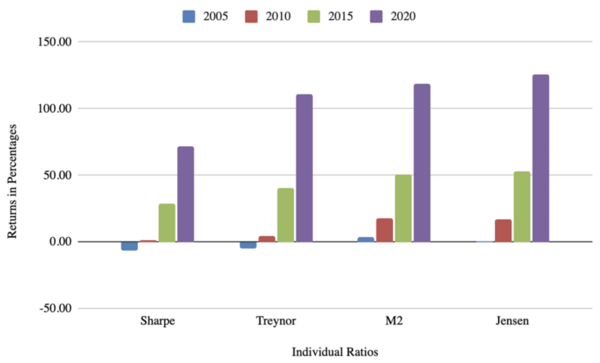
The authors looked at different combinations of risk-adjusted return measures to determine which combination would provide an optimal return for investors. They found that different combinations performed better dependent on investment timeframe.
Read More...Health services in Iraq - A cross-sectional survey of adolescents in Basra

This study is a cross-sectional survey of adolescents in Basra, Iraq, from November 2020 to March 2021 about types of adolescent problems, the individuals and institutions adolescents turn to, and the role of public health centers in dealing with their problems. The survey found that psychological problems represent the largest proportion of health problems, and most adolescents turn to their parents to discuss their problems. The work indicates that there is an urgent need to pay attention to public health centers and provide health and psychological support to adolescents.
Read More...Mapping equity in California K-12 school solar adoption using computer vision

The authors investigated adoption rates of solar photovoltaic power at K-12 schools in California.
Read More...India’s digital public infrastructure: Analyzing UPI and Aadhaar in GDP growth and cost optimization
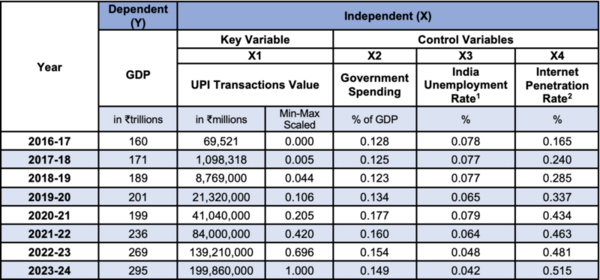
India’s Digital Public Infrastructure (DPI)—including the Unified Payments Interface (UPI) and Aadhaar—has been globally recognized for advancing financial inclusion and efficient governance. This study analyzes data from 2016–17 to 2023–24 the impact of these services on India's GDP.
Read More...An explainable model for content moderation
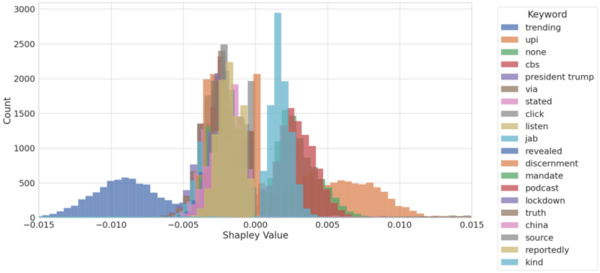
The authors looked at the ability of machine learning algorithms to interpret language given their increasing use in moderating content on social media. Using an explainable model they were able to achieve 81% accuracy in detecting fake vs. real news based on language of posts alone.
Read More...Trust in the use of artificial intelligence technology for treatment planning
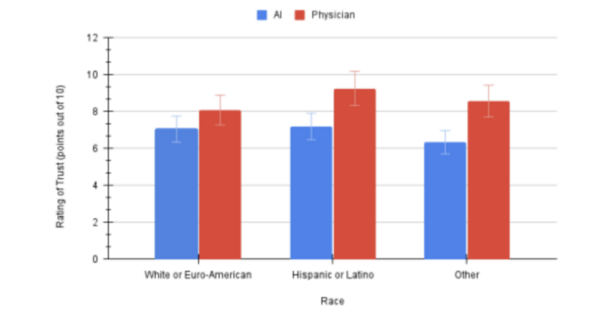
As AI becomes more integrated into healthcare, public trust in AI-developed treatment plans remains a concern, especially for emotionally charged health decisions. In a study of 81 community college students, AI-created treatment plans received lower trust ratings compared to physician-developed plans, supporting the hypothesis. The study found no significant differences in AI trust levels across demographic factors, suggesting overall skepticism toward AI-driven healthcare.
Read More...