In this study, the authors investigate the relationship between iron/hydrogen ratio [Fe/H] of a type of variable stars commonly used as reference points RR Lyrae stars and their light curves to see if one can determine the composition of these stars solely by measuring their light curve characteristics.
Galaxy clusters offer several advantages for measuring H0 compared to traditional methods, such as Cepheid variables or Type Ia supernovae. Unlike individual stars or supernovae, clusters are less affected by local variations in stellar population or interstellar medium properties, providing a more stable and consistent measure over large cosmological distances. This work proposes using galaxy clusters as an alternative method for determining the H0. It provides an independent perspective on the H0 debate and contribute to ongoing efforts to reconcile the differing values obtained from the other two measurements.
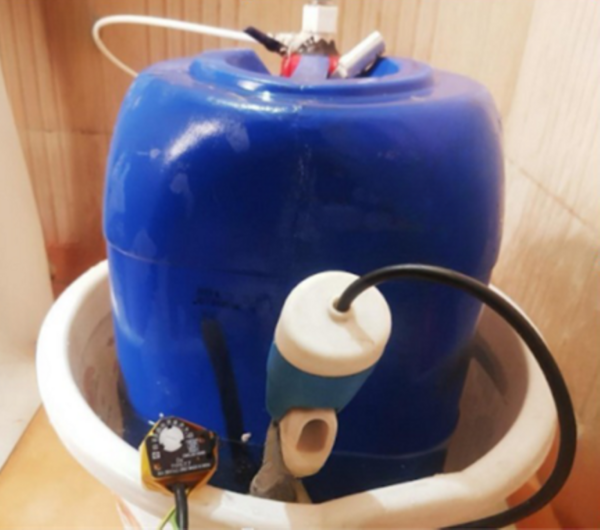
We conducted this research as our start-up's research that addresses the problem of biogas production in cow-dense regions like India. We hypothesized that the thermophilic temperature (45-60oC) would increase biogas production. The production process is much faster and more abundant at temperatures around 55-60oC.
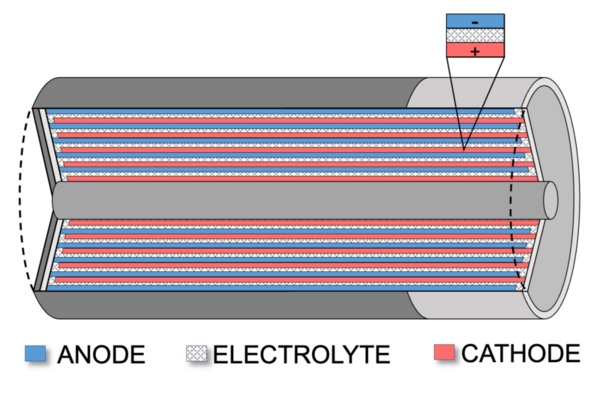
Rechargeable batteries are playing an increasingly prominent role in our lives due to the ongoing transition from fossil energy sources to green energy. The purpose of this study was to investigate variables that impact the effectiveness of rechargeable batteries. Alkaline (non-rechargeable) and rechargeable batteries share common features that are critical for the operation of a battery. The positive and negative electrodes, also known as the cathode and anode, are where the energy of the battery is stored. The electrolyte is what facilitates the transfer of cations and anions in a battery to generate electricity. Due to the importance of these components, we felt that a systematic investigation examining the surface area of the cathode and anode as well the impact of electrolytes with different properties on battery performance was justified. Utilizing a copper cathode and aluminum anode coupled with a water in salt electrolyte, a model rechargeable battery system was developed to test two hypotheses: a) increasing the contact area between the electrodes and electrolyte would improve battery capacity, and b) more soluble salt-based electrolytes would improve battery capacity. After soaking in an electrolyte solution, the battery was charged and the capacity, starting voltage, and ending voltage of each battery were measured. The results of this study supported our hypothesis that larger anode/cathodes surface areas and more ionic electrolytes such as sodium chloride, potassium chloride and potassium sulfate resulted in superior battery capacity. Incorporating these findings can help maximize the efficiency of commercial rechargeable batteries.
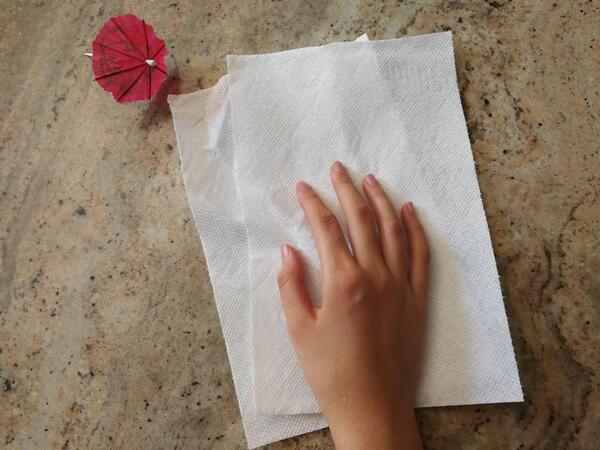
In this study, the authors investigate just how effectively paper towels can absorb different types of liquid and whether changing the properties of the towel (such as folding it) affects absorbance. Using variables of either different liquid types or the folded state of the paper towels, they used thorough approaches to make some important and very useful conclusions about optimal ways to use paper towels. This has important implications as we as a society continue to use more and more paper towels.
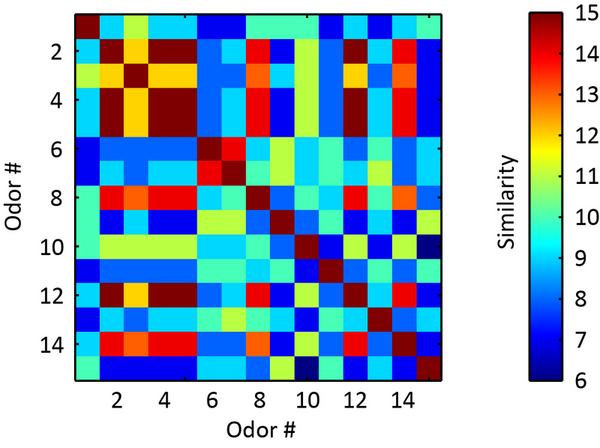
To address whether odor sensory circuits are organized topographically, the authors investigate whether the neuronal responses to similar odors amongst different mice mapped similarly in brain.
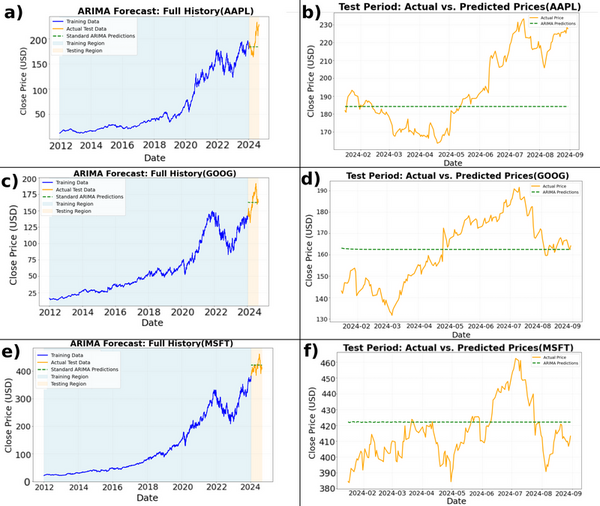
Classical financial forecasting models often fail to capture the complex, nonlinear dynamics of the stock market. This study demonstrates that incorporating a single variable to represent the 'geometric curvature' of a time series dramatically improves the accuracy of standard econometric forecasts. Our findings highlight that geometric properties are a significant predictive factor, opening new avenues for more powerful financial modeling.
![Alterations of the [Fe/H] Values Modulate Light Curves by Absolute Magnitude in non-Blazhko RRab Lyraes](/rails/active_storage/representations/proxy/eyJfcmFpbHMiOnsiZGF0YSI6MTU5MCwicHVyIjoiYmxvYl9pZCJ9fQ==--b3730bc16f26aaa866961d7f4258855afdedc07d/eyJfcmFpbHMiOnsiZGF0YSI6eyJmb3JtYXQiOiJwbmciLCJyZXNpemUiOiI2MDB4NjAwXHUwMDNlIn0sInB1ciI6InZhcmlhdGlvbiJ9fQ==--20af2ab250946fb690460d59fe8ec701a65c860b/Figure_4.png)