Browse Articles

A meta-analysis on NIST post-quantum cryptographic primitive finalists

Benny et al. | Sep 21, 2024

A meta-analysis on NIST post-quantum cryptographic primitive finalists
Image credit: Benny et al. 2024

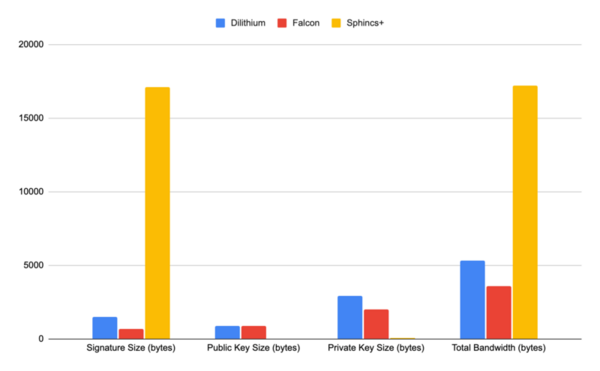
The advent of quantum computing will pose a substantial threat to the security of classical cryptographic methods, which could become vulnerable to quantum-based attacks. In response to this impending challenge, the field of post-quantum cryptography has emerged, aiming to develop algorithms that can withstand the computational power of quantum computers. This study addressed the pressing concern of classical cryptographic methods becoming vulnerable to quantum-based attacks due to the rise of quantum computing. The emergence of post-quantum cryptography has led to the development of new resistant algorithms. Our research focused on four quantum-resistant algorithms endorsed by America’s National Institute of Standards and Technology (NIST) in 2022: CRYSTALS-Kyber, CRYSTALS-Dilithium, FALCON, and SPHINCS+. This study evaluated the security, performance, and comparative attributes of the four algorithms, considering factors such as key size, encryption/decryption speed, and complexity. Comparative analyses against each other and existing quantum-resistant algorithms provided insights into the strengths and weaknesses of each program. This research explored potential applications and future directions in the realm of quantum-resistant cryptography. Our findings concluded that the NIST algorithms were substantially more effective and efficient compared to classical cryptographic algorithms. Ultimately, this work underscored the need to adapt cryptographic techniques in the face of advancing quantum computing capabilities, offering valuable insights for researchers and practitioners in the field. Implementing NIST-endorsed quantum-resistant algorithms substantially reduced the vulnerability of cryptographic systems to quantum-based attacks compared to classical cryptographic methods.

Read More...

A comparative study of dynamic scoring formulas for capture-the-flag competitions

Ho et al. | Aug 30, 2024

A comparative study of dynamic scoring formulas for capture-the-flag competitions

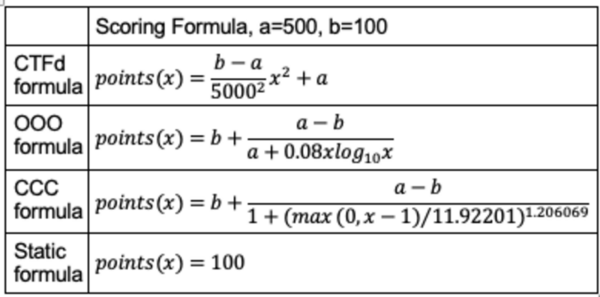
The use of gamification in cybersecurity education, particularly through capture-the-flag competitions, involves scoring challenges based on their difficulty and the number of teams that solve them. The study investigated how changing the scoring formulas affects competition outcomes, predicting that different formulas would alter score distributions.

Read More...

Using Artificial Intelligence to Forecast Continuous Glucose Monitor(CGM) readings for Type One Diabetes

Jalla et al. | Aug 07, 2024

Using Artificial Intelligence to Forecast Continuous Glucose Monitor(CGM) readings for Type One Diabetes
Image credit: The authors

People with Type One diabetes often rely on Continuous Blood Glucose Monitors (CGMs) to track their blood glucose and manage their condition. Researchers are now working to help people with Type One diabetes more easily monitor their health by developing models that will future blood glucose levels based on CGM readings. Jalla and Ghanta tackle this issue by exploring the use of AI models to forecast blood glucose levels with CGM data.

Read More...

Groundwater prediction using artificial intelligence: Case study for Texas aquifers

Sharma et al. | Apr 19, 2024

Groundwater prediction using artificial intelligence: Case study for Texas aquifers

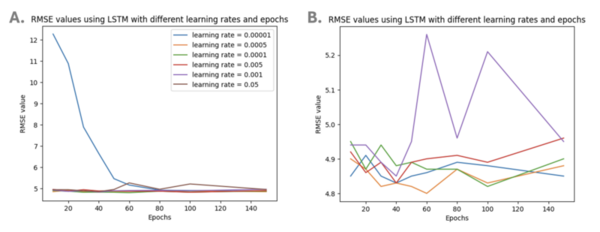
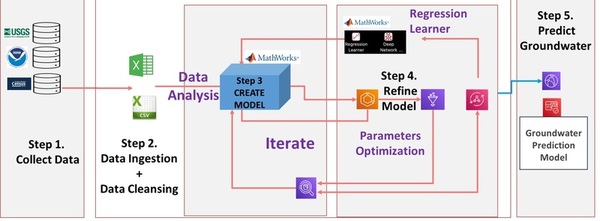
Here, in an effort to develop a model to predict future groundwater levels, the authors tested a tree-based automated artificial intelligence (AI) model against other methods. Through their analysis they found that groundwater levels in Texas aquifers are down significantly, and found that tree-based AI models most accurately predicted future levels.

Read More...

Genetic underpinnings of the sex bias in autism spectrum disorder

Lee et al. | Mar 29, 2024

Genetic underpinnings of the sex bias in autism spectrum disorder
Image credit: Louis Reed

Here, seeking to identify a possible explanation for the more frequent diagnosis of autism spectrum disorder (ASD) in males than females, they sought to investigate a potential sex bias in the expression of ASD-associated genes. Based on their analysis, they identified 17 ASD-associated candidate genes that showed stronger collective sex-dependent expression.

Read More...

Interaction of light with water under clear and algal bloom conditions

Ramesh et al. | Feb 01, 2024

Interaction of light with water under clear and algal bloom conditions
Image credit: Liz Harrell

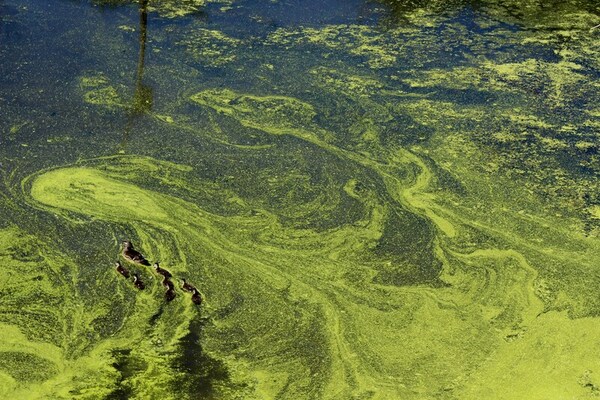
Here, recognizing the potential harmful effects of algal blooms, the authors used satellite images to detect algal blooms in water bodies in Wyoming based on their reflectance of near infrared light. They found that remote monitoring in this way may provide a useful tool in providing early warning and advisories to people who may live in close proximity.

Read More...

Contribution of environmental factors to genetic variation in the Pacific white-sided dolphin

Talwar et al. | Jan 23, 2024

Contribution of environmental factors to genetic variation in the Pacific white-sided dolphin
Image credit: Flavio

Here the authors sought to understand the effects of different variables that may be tied to pollution and climate change on genetic variation of Pacific white-sided dolphins, a species that is currently threatened by water pollution. Based on environmental data collected alongside a genetic distance matrix, they found that ocean currents had the most significant impact on the genetic diversity of Pacific white-sided dolphins along the Japanese coast.

Read More...

The effect of Omega-3 on bovine blood cells as a potential remedy for Cerebral Cavernous Malformations

Pulluru et al. | Sep 22, 2023

The effect of Omega-3 on bovine blood cells as a potential remedy for Cerebral Cavernous Malformations
Image credit: Carolien van Oijen

Here, the authors investigated if dietary Omega-3 fatty acids could reduce the potential for cerebral cavernous malformations, which are brain lesions that occur due to a genetic mutation where high membrane permeability occurs between endothelial cell junctions. In a bovine-based study where some cows were fed an Omega-3 diet, the authors found the membranes of bovine blood cells increased in thickness with Omega-3 supplementation. As a result, they suggest that dietary Omega-3 could be considered as a possible preventative measure for cerebral cavernous malformations.

Read More...

An explainable model for content moderation

Cao et al. | Aug 16, 2023

An explainable model for content moderation

The authors looked at the ability of machine learning algorithms to interpret language given their increasing use in moderating content on social media. Using an explainable model they were able to achieve 81% accuracy in detecting fake vs. real news based on language of posts alone.

Read More...