Browse Articles

Development of a pH-sensing hydrogel wound dressing for early infection monitoring for all skin color types

L. Chong et al. | Sep 07, 2026

Development of a pH-sensing hydrogel wound dressing for early infection monitoring for all skin color types

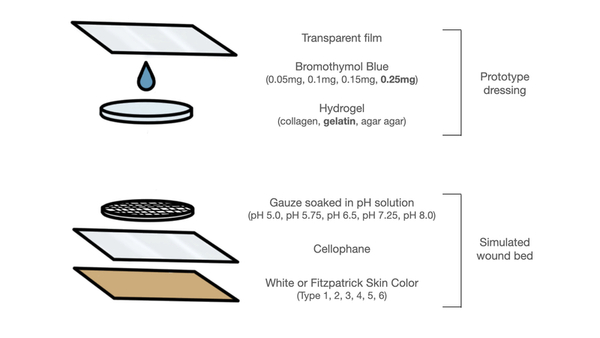
This paper develops a gelatin-based hydrogel dressing infused with bromothymol blue dye that visibly changes from yellow to blue as wound pH rises from 5.0 to 8.0, signaling possible infection. The color shift was visually detectable and statistically significant across all six Fitzpatrick skin tones, suggesting a low-cost ($0.40/dressing) tool for early infection monitoring in settings with limited access to care.

Read More...
The effects of a high-sucrose diet on the survival of Drosophila melanogaster from a bacterial infection

Warwick et al. | May 22, 2026

The effects of a high-sucrose diet on the survival of <i>Drosophila melanogaster</i> from a bacterial infection

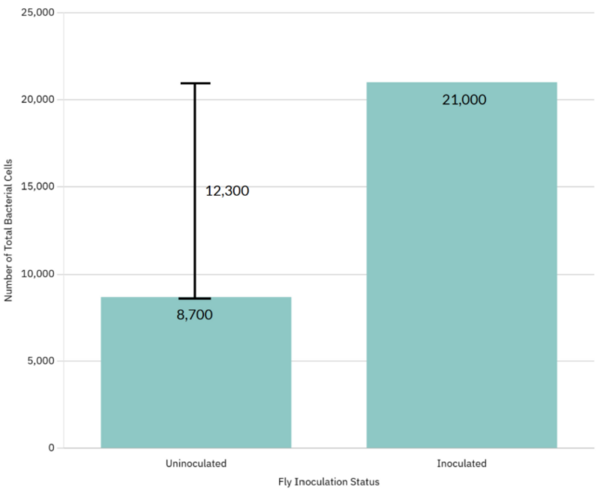
Excess sucrose consumption has been associated with several health problems, including inflammation and potential negative effects on immune function. However, the exact relationship between sucrose intake and immunity remains unclear, especially during bacterial infections. This study examined how sucrose intake affected the survival of fruit flies following oral infection with the bacterial pathogen Serratia marcescens.

Read More...

Influence of induction heating on static recrystallization kinetics of AISI 4130 steel

Chen et al. | Apr 30, 2026

Influence of induction heating on static recrystallization kinetics of AISI 4130 steel

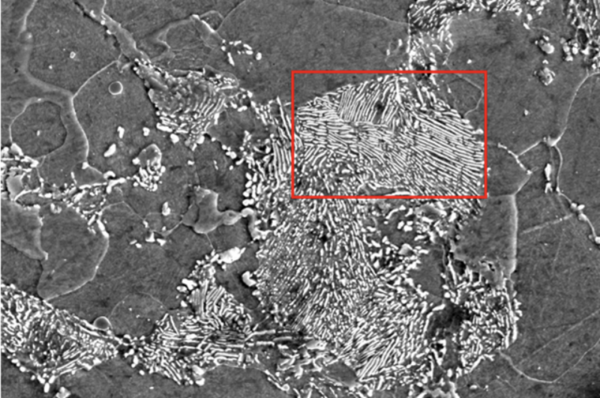
This article investigates whether induction heating can speed up static recrystallization in AISI 4130 steel compared with traditional radiant heating. It was found that induction-heated samples recrystallized faster, softened more quickly, and showed earlier microstructural changes like grain nucleation and pearlite spheroidization, suggesting induction heating could be a more efficient alternative for industrial metal heat treatments.

Read More...

The effect of lead oxide concentrations on the bioluminescence intensity of Panellus stipticus

Park et al. | Mar 02, 2026

The effect of lead oxide concentrations on the bioluminescence intensity of <i>Panellus stipticus</i>

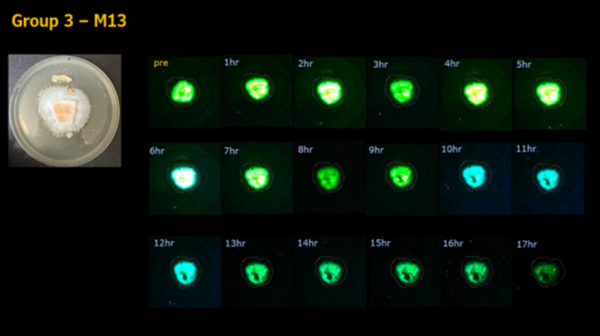
Here the authors investigate the potential of the bioluminescent fungus Panellus stipticus to serve as a sustainable bioindicator for environmental lead contamination. Their findings demonstrate that higher lead concentrations cause a measurable decrease in fungal bioluminescence intensity over time suggesting that the fungus could be an effective tool for detecting lead in an environment.

Read More...

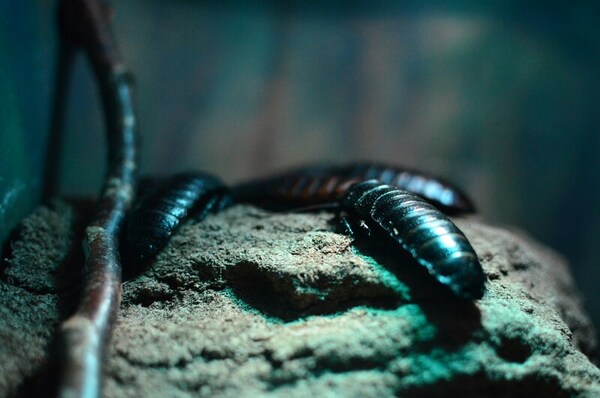
Paralyzing effects of CO2 and hypothermia on Madagascar hissing and dubia cockroaches

Gapon et al. | Dec 08, 2024

Paralyzing effects of CO<sub>2</sub> and hypothermia on Madagascar hissing and dubia cockroaches
Image credit: Jesper Aggergaard

Here the authors sought to find a more ethical and efficient way to temporary paralyze a cockroach by comparing the results of two methods. By comparing immobilization through immersion in cold water and exposure to a 100 % CO2 environment, they found that cockroaches could be immobilized and recovered significantly faster when exposed to CO2.

Read More...

The effect of molecular weights of chitosan on the synthesis and antifungal effect of copper chitosan

Byakod et al. | Apr 07, 2024

The effect of molecular weights of chitosan on the synthesis and antifungal effect of copper chitosan

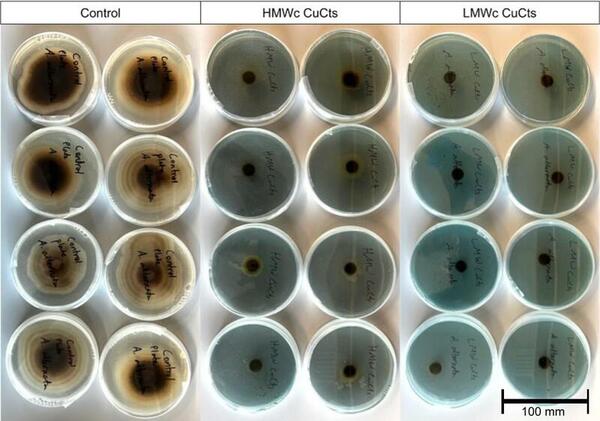
Pathogenic fungi such as Alternaria alternata (A. alternata) can decimate crop yields and severely limit food supplies when left untreated. Copper chitosan (CuCts) is a promising alternative fungicide for developing agricultural areas due to being inexpensive and nontoxic. We hypothesized that LMWc CuCts would exhibit greater fungal inhibition due to the beneficial properties of LMWc.

Read More...