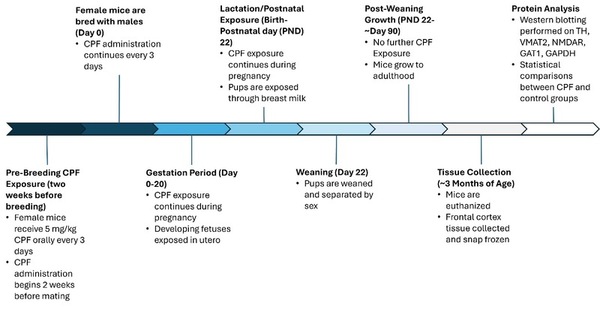
The authors test the effect of insecticide exposure on mouse neurodevelopment.
Read More...Chlorpyrifos exposure in mice leads to altered expression of key neurodevelopmental proteins
Alkaloids Detection in Commonly Found Medicinal Plants with Marquis Reagent
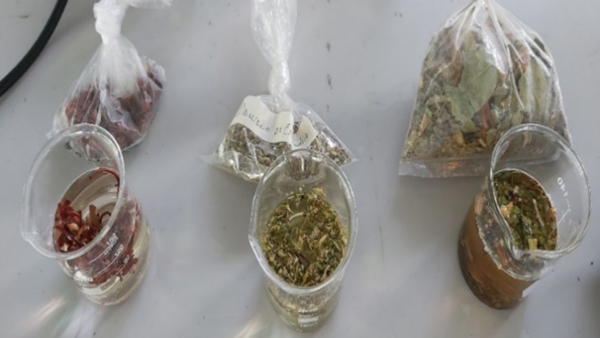
This study investigates the presence of alkaloids in a variety of medicinal plants using the Marquis reagent. They reveal some surprising results and how useful the Marquis reagent is.
Read More...Effects of spices on rice spoilage
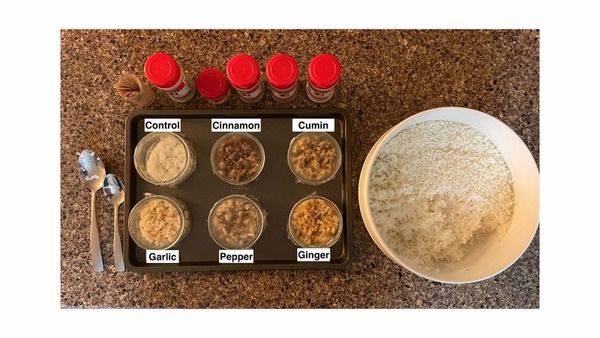
In this work, based on centuries of history where spices have been used and thought to have antimicrobial properties that prolong the shelf life of food, the authors investigated if several spices used in Indian cooking could delay the spoilage of cooked white rice. Based on changed in appearance and smell, as well as growth on agar plates, they found that cinnamon was the most effective in delaying spoilage, followed by cumin, pepper, garlic, and ginger. Their findings suggest the ability to use spices rather than chemical food preservatives to prolong the shelf life of foods.
Read More...Elucidating the Genotoxicity of Synthetic Food Preservatives with the SOS Chromotest
.jpg)
Evidence suggests certain food preservatives may be genotoxic due to their ability to impair normal cellular pathways. The authors investigated the genotoxic potential and effects of commonly used synthetic food preservatives, specifically sodium nitrite, potassium sulfate, and hydrogen peroxide.
Read More...Integration of iron oxide nanoparticles into high-density polyethylene for sustainable cup coatings
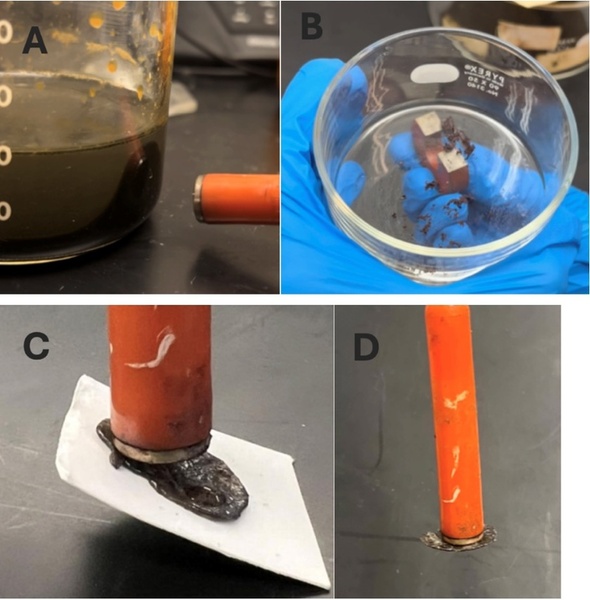
Here the authors propose integrating magnetic iron (II) oxide nanoparticles into the high-density polyethylene linings of disposable paper cups to create a waterproof, magnetically responsive composite liner. Their findings demonstrate that these nanoparticles successfully bond with the plastic layer without disrupting its structural integrity, offering a viable method to improve plastic recovery through magnetic recycling and mitigate global microplastic pollution.
Read More...Interaction of light with water under clear and algal bloom conditions

Here, recognizing the potential harmful effects of algal blooms, the authors used satellite images to detect algal blooms in water bodies in Wyoming based on their reflectance of near infrared light. They found that remote monitoring in this way may provide a useful tool in providing early warning and advisories to people who may live in close proximity.
Read More...Novel anticancer effects of melatonin and berberine via signaling pathways in colorectal cancer and lymphoma
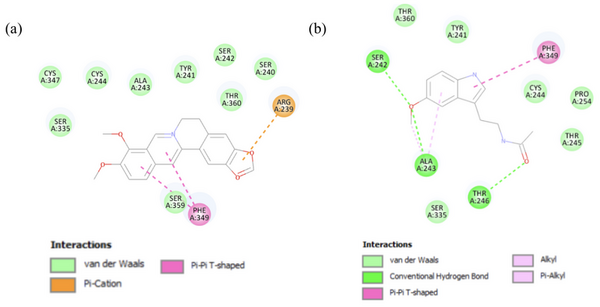
The authors looked at the ability of berberine in combination with melatonin to have anticancer effects when tested in an in vitro cell model.
Read More...Increased survival of aquatic life through algal pretreatment of nitrate-contaminated runoff
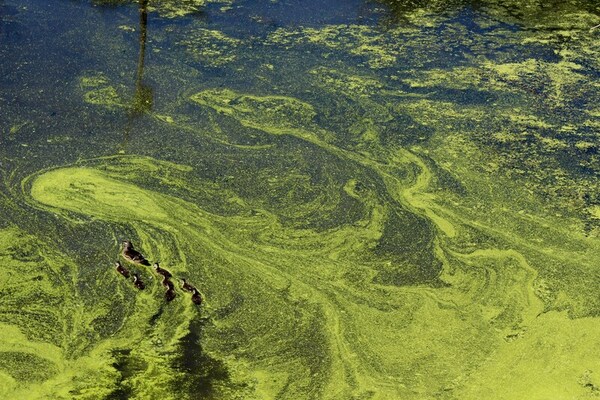
Here the authors investigated the effectiveness of algal pretreatment in reducing nitrate toxicity and extending the survival of fish in contaminated river water. Their findings demonstrate that treating nitrate-polluted water with algae extended fish survival by up to 50%, suggesting that algae could serve as a valuable tool for mitigating the destructive impacts of agricultural and industrial runoff on aquatic ecosystems.
Read More...The effect of the consumption of the probiotic B. infantis on ethanol withdrawal symptoms in planaria (Dugesia dorotocephala)

Alcohol use disorder is a chronic, relapsing disease that affects millions of Americans every day. There are limited treatment options for alcohol dependence and alcohol withdrawal symptoms, including depression and anxiety. Previous studies have shown that probiotics can decrease depression in rodents during maternal separation and anxiety in humans. Therefore, we hypothesized that the ethanol-withdrawn planaria who consumed probiotics would have decreased withdrawal symptoms as measured by increased motility compared to the ethanol-withdrawn planaria that were not fed probiotics. The ethanol-withdrawn planaria had a statistically significant decrease in motility compared to the control group, while the planaria that consumed probiotics had no statistically significant change in motility compared to the control group.
Read More...Effect of hypervitaminosis A in regenerating planaria: A potential model for teratogenicity testing
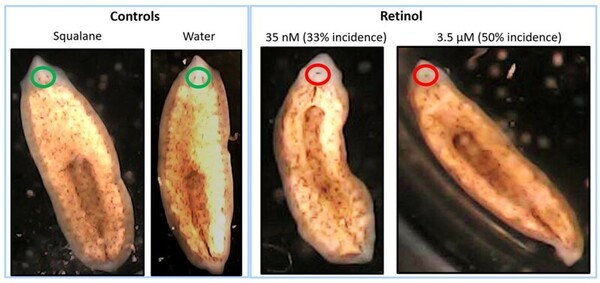
This unique research study evaluated the potential use of the flatworm, brown planaria (Dugesia tigrine), as an alternative model for teratogenicity testing. In this study, we exposed amputated planaria to varying concentrations of a known teratogen, vitamin A (retinol), for approximately 2 weeks, and evaluated multiple parameters including the formation of blastema and eyes. The results from this study demonstrated that high concentrations of retinol caused defects in head and eye formation in regenerating planaria, with similarities to vitamin A related teratogenicity findings in mammals. Based on these results, regenerating brown planaria are a promising alternative model for teratogenicity testing, which can potentially be paradigm shifting as it can reduce cost, time, and pregnant animal use in research.
Read More...