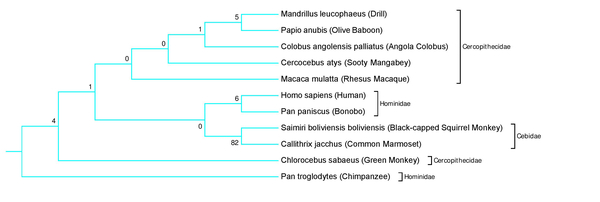
Human intelligence is correlated with variation in the protein neuroplastin-65, which is encoded by the NPTN gene. The authors examine the evolution of this gene across different animal species.
Read More...Evolution of Neuroplastin-65
Human intelligence is correlated with variation in the protein neuroplastin-65, which is encoded by the NPTN gene. The authors examine the evolution of this gene across different animal species.
Read More...Integration of iron oxide nanoparticles into high-density polyethylene for sustainable cup coatings
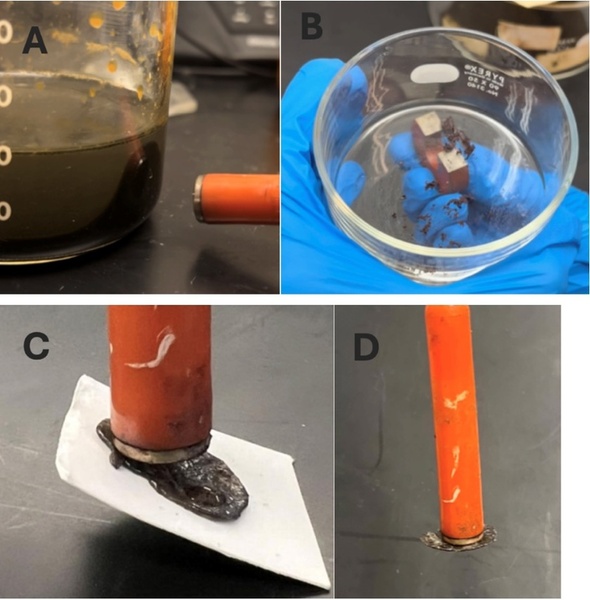
Here the authors propose integrating magnetic iron (II) oxide nanoparticles into the high-density polyethylene linings of disposable paper cups to create a waterproof, magnetically responsive composite liner. Their findings demonstrate that these nanoparticles successfully bond with the plastic layer without disrupting its structural integrity, offering a viable method to improve plastic recovery through magnetic recycling and mitigate global microplastic pollution.
Read More...The effects of a high-sucrose diet on the survival of Drosophila melanogaster from a bacterial infection
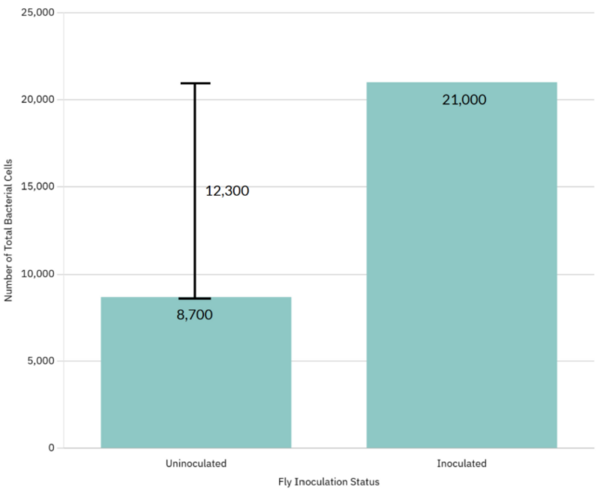
Excess sucrose consumption has been associated with several health problems, including inflammation and potential negative effects on immune function. However, the exact relationship between sucrose intake and immunity remains unclear, especially during bacterial infections. This study examined how sucrose intake affected the survival of fruit flies following oral infection with the bacterial pathogen Serratia marcescens.
Read More...Differential physiological response of microalgae exposed to petroleum- and bio-based microplastics
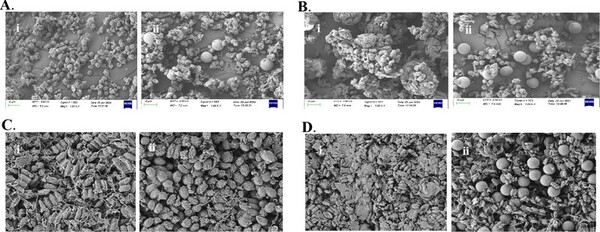
The authors test the effect of petroleum-based and bio-based microplastics on the growth of two microalgae species.
Read More...The effect of lead oxide concentrations on the bioluminescence intensity of Panellus stipticus
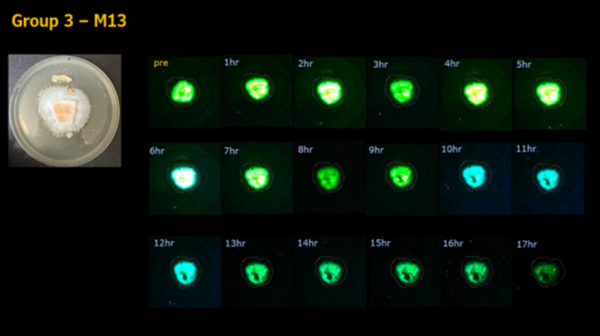
Here the authors investigate the potential of the bioluminescent fungus Panellus stipticus to serve as a sustainable bioindicator for environmental lead contamination. Their findings demonstrate that higher lead concentrations cause a measurable decrease in fungal bioluminescence intensity over time suggesting that the fungus could be an effective tool for detecting lead in an environment.
Read More...Optimizing Arthrospira platensis growth for biofuel production via symbiosis between cyanobacteria strains
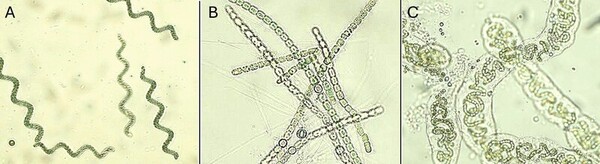
The authors test symbiotic relationships among cyanobacteria species to generate more robust cultures for potential biofuel production.
Read More...Earthworms as soil quality indicators: A case study of Crissy Field and Bayview Hunters Point naval shipyard
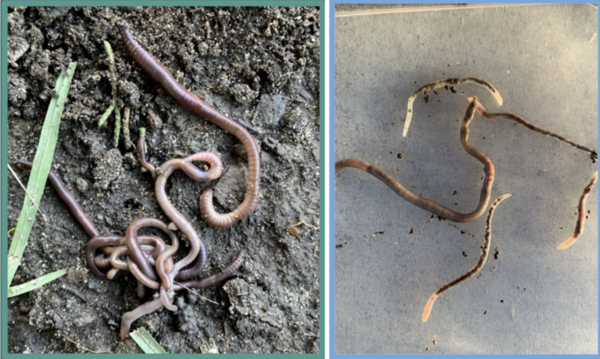
The authors looked at soil quality of former military sites where chemical disposal was known to have occurred. Along with testing for heavy metals, the authors also looked for the presence (and number) of earthworms present in topsoil samples as a marker of soil health.
Read More...Quantifying coliform bacteria in ground beef to evaluate food safety guidelines
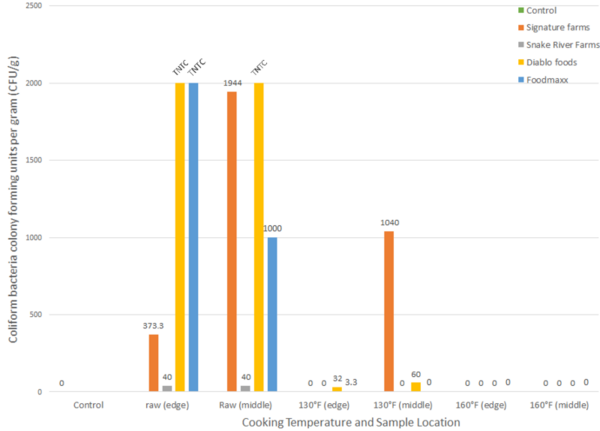
The authors looked at the presence of coliform bacteria present in ground beef after cooking it various CDC standards. They found that no coliform bacteria was present when CDC guidelines for cooking ground beef were properly followed.
Read More...Understanding investors behaviors during the COVID-19 outbreak using Twitter sentiment analysis

The authors examine a relationship between tweet sentiment and stock market behavior during the early weeks of the COVID-19 pandemic.
Read More...A spatiotemporal analysis of OECD member countries on sugar consumption and labor force participation
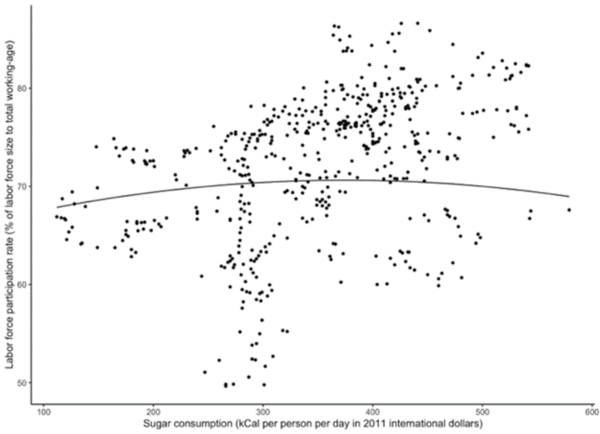
In this article the authors look at sugar consumption and the relationship to productivity in the work/labor force.
Read More...