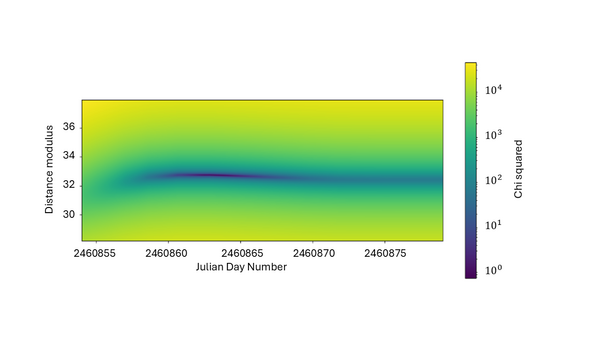
Analysis of the Sloan green and red photometry of the Type Ia supernova 2024neh
Read More...Sloan green and red photometry of the Type Ia supernova 2024neh
Analysis of the Sloan green and red photometry of the Type Ia supernova 2024neh
Read More...Yeast catalysis of hydrogen peroxide as an enhanced chemical treatment method for harvested rainwater
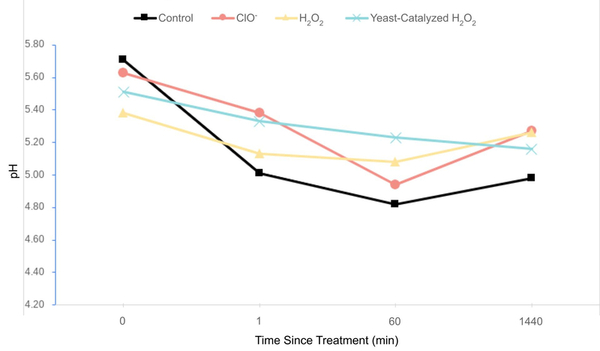
The authors looked at different treatments to clean up rainwater collected at home. They found that chlorine treatment and treatment with hydrogen peroxide catalyzed by yeast showed similar potential for cleaning up contaminated rainwater, but that further studies are needed to better assess impact on specific contaminant levels still present.
Read More...PID and fuzzy logic optimization of the pitch control of wind turbines
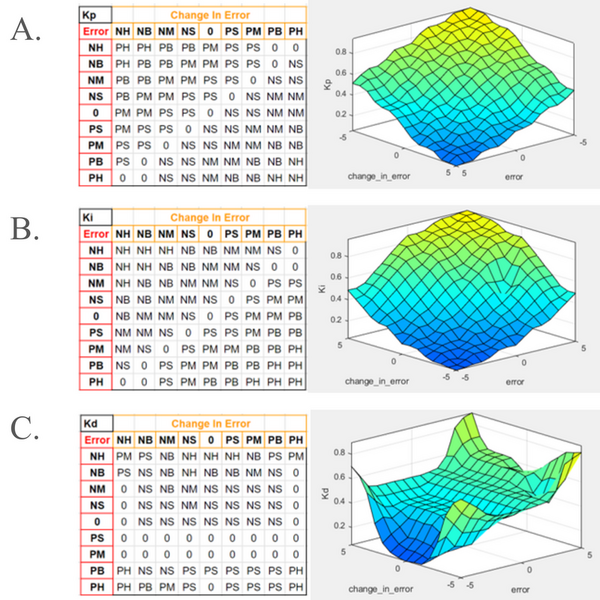
Wind turbines are a valuable source of renewable energy, but face challenges related to unpredictable wind speed. The turbine must be able to control its angle to catch enough wind to generate electricity, while avoiding excess wind that may damage the turbine. Zhou and Wang explore different types of smart turbine controllers to see which appears optimal for electricity generation.
Read More...High school students show some reluctance to COVID-19 guidelines
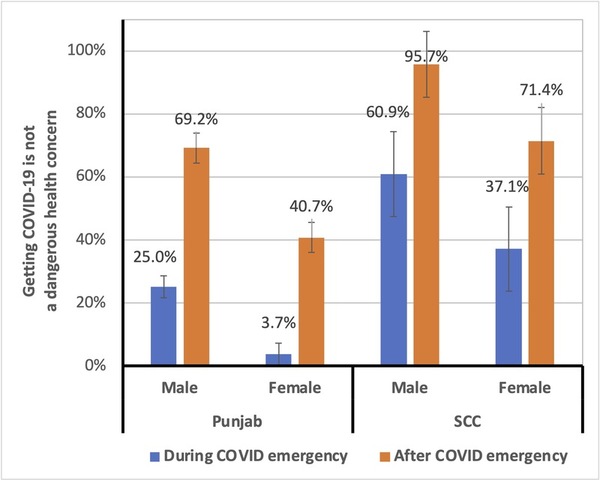
COVID-19 has officially been downgraded from the status of a global health emergency, but have COVID-19 safety practices become a new way of life for students? The authors collected survey data on COVID-19-related knowledge and behaviors of high-school students in Punjab, Pakistan and Santa Clara County, California, USA, so see where high-schoolers stand on pandemic safety today.
Read More...Evaluating the effectiveness of machine learning models for detecting AI-generated art
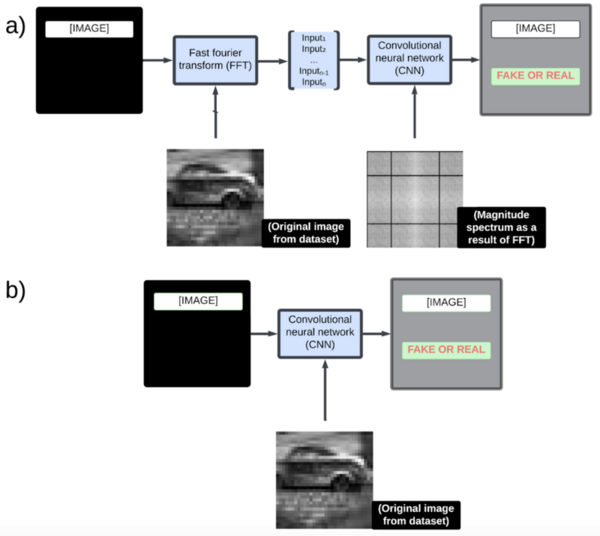
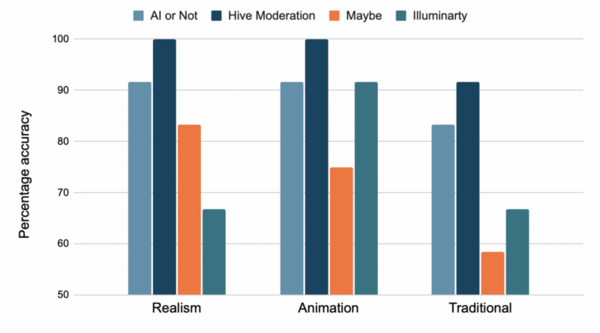
The authors investigate how well AI-detection machine learning models can detect real versus AI-generated art across different art styles.
Read More...Analyzing aerosol variation during the COVID-19 pandemic lockdown using satellite data
In this study, the authors use aerosol optical depth data to determine if aerosol levels were lower in major metropolitan areas around the world during the COVID-19 pandemic.
Read More...A novel filtration model for microplastics using natural oils and its application to the environment
Recognizing the need for a method to filter microplastics from polluted water the authors sought to use nonpolar solvents, palm oil and palm kernel oil, to filter microplastics out of model seawater. By relying on the separation of polar and nonpolar solvents followed by freezing the nonpolar solvent, they reported that microplastics could be extracted with percentages ranging from 96.2% to 94.2%. They also provided an estimation to use this method as part of container ships to clean the Pacific Ocean of microplastics.
Read More...Decolorization of textile dyes by edible white rot fungi
As fast fashion explodes in popularity, the fashion industry remains one of the most prominent industries responsible for pollution. This pollution includes a lack of treatment for textile dyes that remain toxic or carcinogenic as they persist in wastewater. To resolve this, the authors of this study set out to determine the efficacy of using edible white rot fungi for cell-based biodegradation of textile dyes into harmless chemicals. This method takes advantage of fungi found in excess from the fungi industry, decreasing food waste while addressing textile waste in tandem.
Read More...Machine learning for the diagnosis of malaria: a pilot study of transfer learning techniques
The diagnosis of malaria remains one of the major hurdles to eradicating the disease, especially among poorer populations. Here, the authors use machine learning to improve the accuracy of deep learning algorithms that automate the diagnosis of malaria using images of blood smears from patients, which could make diagnosis easier and faster for many.
Read More...Can the Growth Mindset Encourage Girls to Pursue “Male” Careers?
Despite major advances in gender equality, men still far outnumber women in science, technology, engineering and math (STEM) professions. The purpose of this project was to determine whether mindset could affect a student’s future career choices and whether this effect differed based on gender. When looking within the gender groups, 86% of females who had a growth mindset were likely to consider a “male” career, whereas only 16% of females with fixed mindset would likely to consider a “male” career. Especially for girls, cultivating a growth mindset may be a great strategy to address the problem of fewer girls picking STEM careers.
Read More...