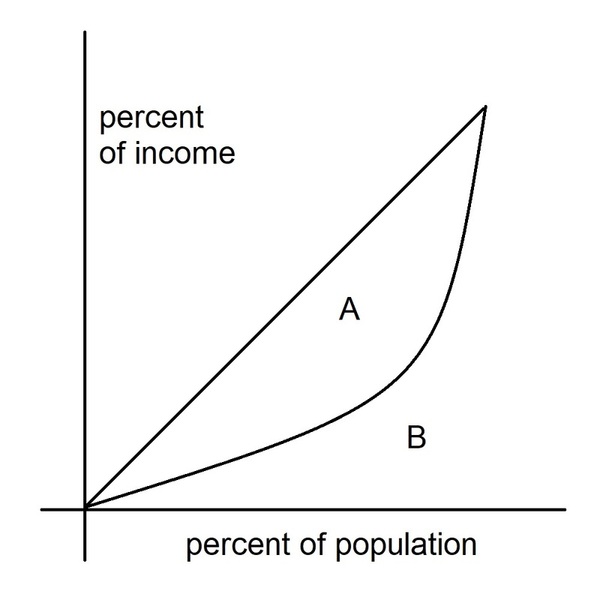
In this study, the authors measure the relationship between the Gini coefficient, a common measure of income inequality, and Black and White maternal mortality rates by state and year.
Read More...The relationship between income inequality and maternal mortality for black and white mothers
In this study, the authors measure the relationship between the Gini coefficient, a common measure of income inequality, and Black and White maternal mortality rates by state and year.
Read More...Testing Various Synthetic and Natural Fiber Materials for Soundproofing
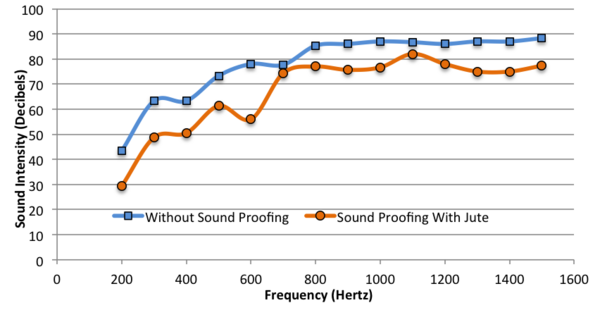
Noise pollution negatively impacts the health and behavioral routines of humans and other animals, but the production of synthetic sound-absorbing materials contributes to harmful gas emissions into the atmosphere. The authors of this paper investigated the effectiveness of environmentally-friendly, cheap natural-fiber materials, such as jute, as replacements for synthetic materials, such as gypsum and foam, in soundproofing.
Read More...Exploring Interactions between PFAS (Per- and Polyfluoroalkyl Substances) and proteins
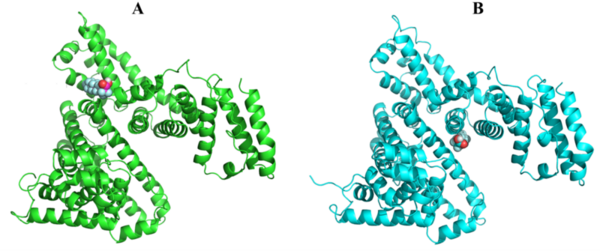
Here the authors investigated how the "forever chemical" perfluorooctanoic acid binds to bovine serum albumin (BSA) using computational software to simulate its potential impact on essential human plasma proteins. They identify a possible, high-energy binding configuration that could persistently impair protein functions, underscoring the critical need for further research into the long-term health risks of per- and poly-fluoroalkyl substances exposure.
Read More...Variation, relationship, and trade-offs of leaf traits in large and small deciduous broadleaf tree species

The authors access a panel of leaf traits across ten deciduous tree species to explore adaptive strategies between large and small trees.
Read More...Optimizing Arthrospira platensis growth for biofuel production via symbiosis between cyanobacteria strains
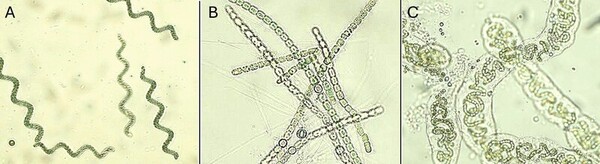
The authors test symbiotic relationships among cyanobacteria species to generate more robust cultures for potential biofuel production.
Read More...Linearity of piezoelectric response of electrospun polymer-based (PVDF) fibers with barium titanate nanoparticles
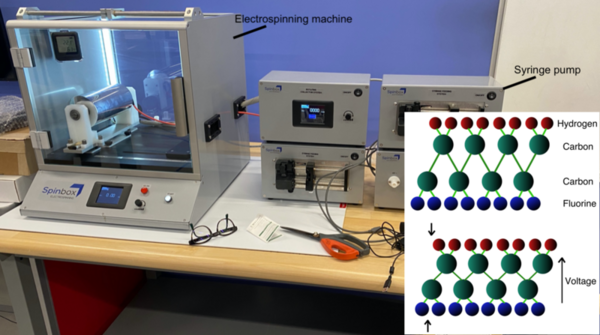
Here, seeking to develop an understanding of the properties that determine the viability of piezoelectric flexible materials for applications in electro-mechanical sensors, the authors investigated the effects of the inclusion BaTiO3 nanoparticles in electrospun Polyvinyledene Fluoride. They found the voltage generated had a piecewise linear dependence on the applied force at a few temperatures.
Read More...Effects of copper sulfate exposure on the nervous system of the Hirudo verbana leech
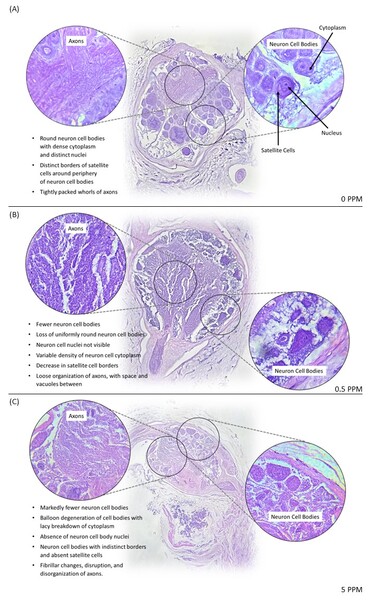
In this study, the authors test whether excess copper exposure has neurobehavioral effects on Hirudo verbana leeches.
Read More...Testing Different Polymers and Boron Nitride Nanotube Properties in Fabrication of Ion-selective Membranes
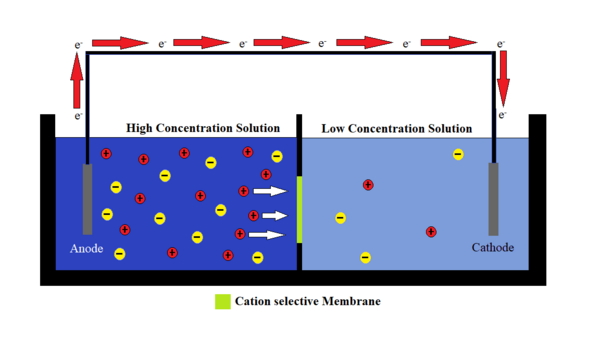
One largely untapped source of clean energy is the use of osmotic gradients where freshwater and saltwater are mixed, for example at estuaries. To harness such energy, charge-selective membranes are needed to separate the anions and cations in saltwater, establishing an electric potential like a battery. The objective of this study was twofold: to investigate the creation of the polymer matrix and test the properties of boron nitride nanotubes, as both are essential in the creation of an ion-selective membrane. Out of three polymer samples tested in this study, the mixture known as Soltech 704 showed the best resistance to etching, as well as the highest UV cure rate.
Read More...Correlations between Gray-White Matter Contrast in Prefrontal Lobe Regions and Cognitive Set-Shifting in Healthy Adults

This study uses neuroimaging to investigate cognitive set-shifting, a type of executive function that involves shifting from one task to another. This study tested whether cortical gray-white matter contrast in subregions of the prefrontal cortex (PFC) was associated with set-shifting abilities in adults.
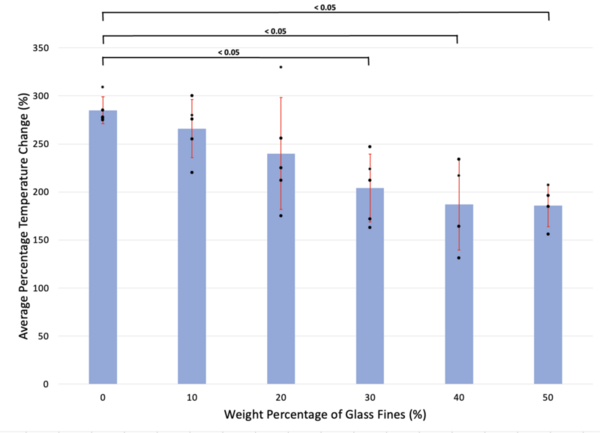
Read More...The effectiveness of glass fines on the fire resistance of mycelium-based biocomposites