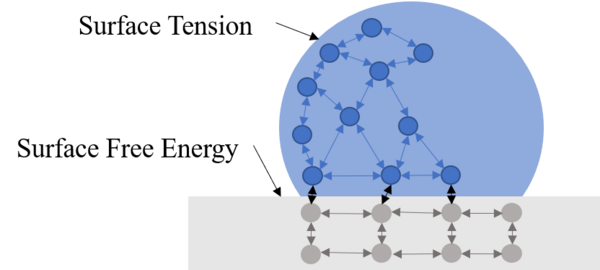
In this study, the authors were interested in developing a hydrophobic surface that will extend the lifespan of metals by reducing water exposure and other damage. The used a zinc coating on steel to pursue this effort.
Read More...The Development of a Superhydrophobic Surface Using Electrolytic Deposition & Polymer Chains Precipitation
In this study, the authors were interested in developing a hydrophobic surface that will extend the lifespan of metals by reducing water exposure and other damage. The used a zinc coating on steel to pursue this effort.
Read More...Investigation of Everyday Locations for Antibiotic-Resistant Bacteria in Cambridge, Massachusetts
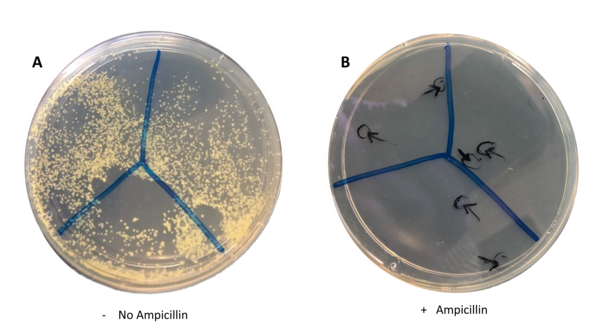
In this study, the authors investigate whether antibiotic-resistant bacteria can be found in everyday locations. To do this, they collected samples from multiple high-trafficked areas in Cambridge, MA and grew them in the presence and absence of antibiotics. Interestingly, they grew bacterial colonies from many locations' samples, but not all could grow in the presence of ampicillin. These findings are intriguing and relevant given the rising concern about antibiotic-resistant bacteria.
Read More...Using advanced machine learning and voice analysis features for Parkinson’s disease progression prediction
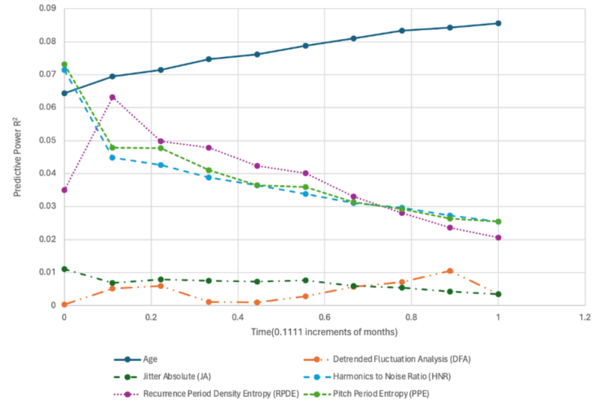
The authors looked at the ability to use audio clips to analyze the progression of Parkinson's disease.
Read More...Phytochemical analysis of Annona Reticulata extract and an in-vitro study on its anti-proliferative effects
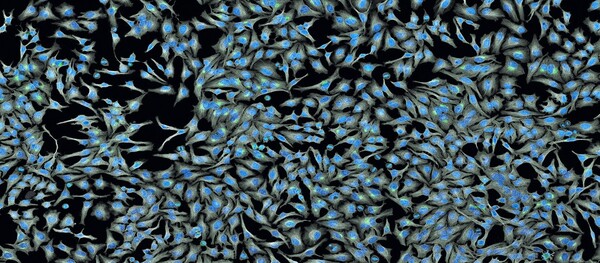
In this study, the authors investigate the anti-cancer effects of Annona Reticulata (Ramphal or custard apple) by testing whether its extract could inhibit HeLa cell viability.
Read More...The Effect of Common Cations on DNA Degradation
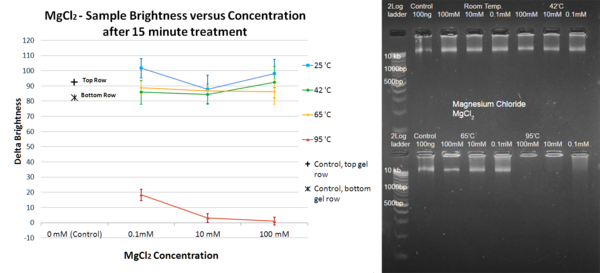
Heating of DNA-containing solutions is a part of many experiment protocols, but it can also cause damage and degradation of the DNA molecules, potentially leading to error in the experimental results. The authors of this paper investigate whether the presence of certain cations during heating can stabilize the DNA polymer and aid the preservation of the molecule.
Read More...The Effects of Micro-Algae Characteristics on the Bioremediation Rate of Deepwater Horizon Crude Oil
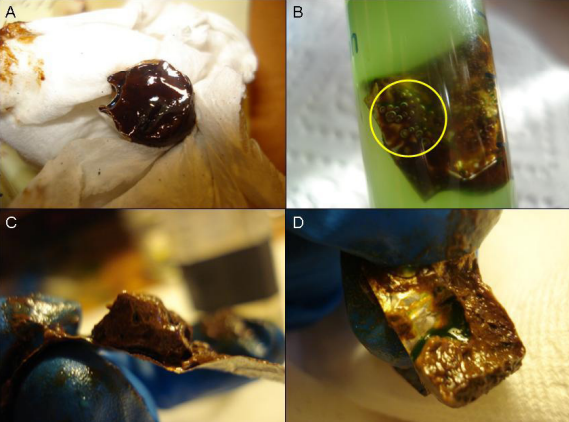
Environmental disasters such as the Deepwater Horizon oil spill can be devastating to ecosystems for long periods of time. Safer, cheaper, and more effective methods of oil clean-up are needed to clean up oil spills in the future. Here, the authors investigate the ability of natural ocean algae to process crude oil into less toxic chemicals. They identify Coccochloris elabens as a particularly promising algae for future bioremediation efforts.
Read More...Retinal biomarkers for the detection of neurological disease using deep learning
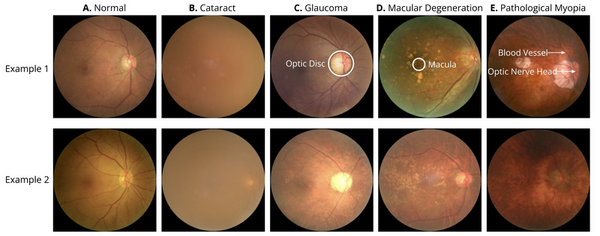
The authors looked at whether retinal features, specifically lens clarity, optic nerve cupping, and hyperreflective foci, can serve as biomarkers for neuro-ophthalmological diseases, which share pathological mechanisms with neurodegeneration and may indicate broader neurological risk. Using multimodal clinical data and machine learning, they investigated the potential of retinal imaging as a complementary diagnostic tool for more accurate and accessible detection of neurological disorders.
Read More...Investigating the anticancer effects of Uvularia perfoliata
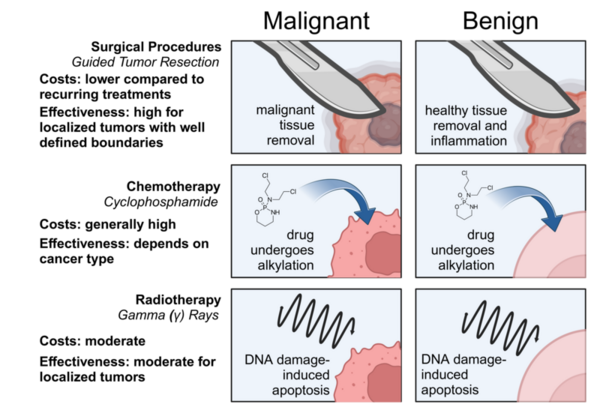
This paper investigates the potential anticancer properties of Uvularia perfoliata by testing its effects on the viability of uveal melanoma cells.
Read More...Investigating the effectiveness of ayurvedic plants on lowering uric acid levels to combat hyperuricemia
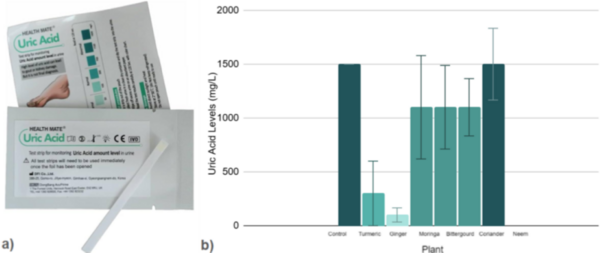
The authors test the ability of six ayurvedic plants to reduce levels of uric acid in solution.
Read More...Evaluating key factors in emotion detection models for AI-driven personalized bibliotherapy
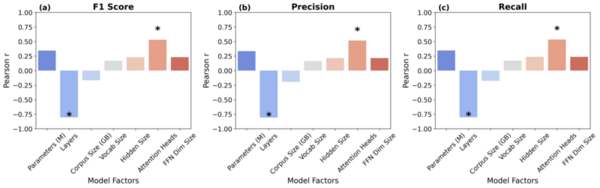
This study evaluates the potential of natural language processing (NLP) models in an emotion-driven bibliotherapy framework to improve mental health challenges.
Read More...