Browse Articles

Investigating KNOX Gene Expression in Aquilegia Petal Spur Development

Hossain et al. | Feb 03, 2014

Investigating KNOX Gene Expression in Aquilegia Petal Spur Development

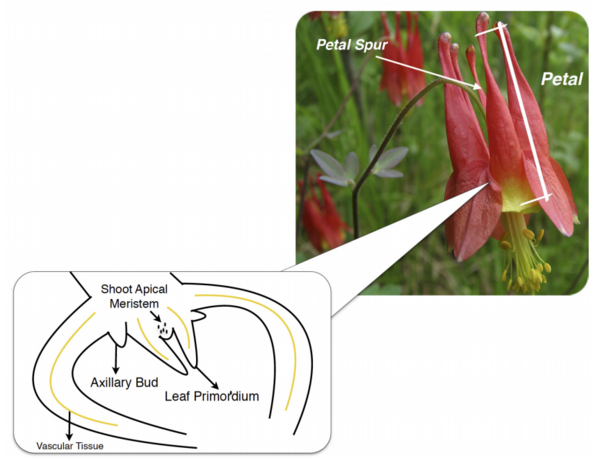
Plants, and all other multi-cellular organisms, develop through the coordinated action of many sets of genes. The authors here investigate the genes, in a class named KNOX, potentially responsible for organizing a certain part of Aquilegia (columbine) flowers called petal spurs. Through the technique Reverse Transcription-Polymerase Chain Reaction (RT-PCR), they find that certain KNOX genes are expressed non-uniformly in petal spurs, suggesting that they may be involved, perhaps in a cell-specific manner. This research will help guide future efforts toward understanding how many beautiful flowers develop their unique shapes.

Read More...
Assessing Spanish interpretation in community healthcare: a study of patient satisfaction

Yon et al. | Jun 22, 2026

Assessing Spanish interpretation in community healthcare: a study of patient satisfaction
Image credit: Yon and Jones

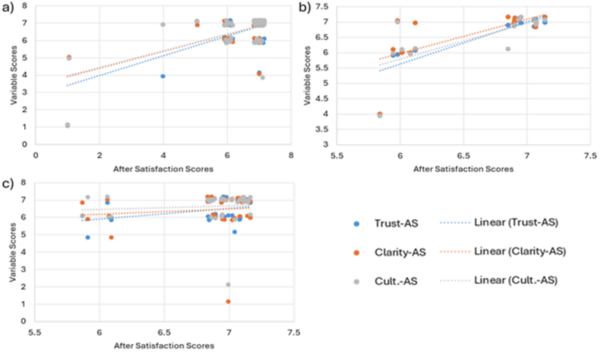
This manuscript explores the use of Spanish language translators in an outpatient clinic in New Jersey. The authors surveyed patients before and after in person, video, and telephone appointments to determine which modality was most acceptable to the patients. The authors found that the three modalities did not differ in patient satisfaction, but that patients were grateful for translations services and that patient trust may be expanded by the use of these services and by focuses of translator soft skills.

Read More...

Efficacy of natural coagulants in reducing water turbidity under future climate change scenarios

Cho et al. | Nov 13, 2024

Efficacy of natural coagulants in reducing water turbidity under future climate change scenarios
Image credit: pine watt

Here the authors investigated the effects of natural coagulants on reducing the turbidity of water samples from the Tennessee River Watershed. They found that turbidity reduction was higher at lower temperatures for eggshells. They then projected and mapped turbidity reactions under two climate change scenarios and three future time spans for eggshells. They found site-specific and time-vary turbidity reactions using natural coagulants could be useful for optimal water treatment plans.

Read More...