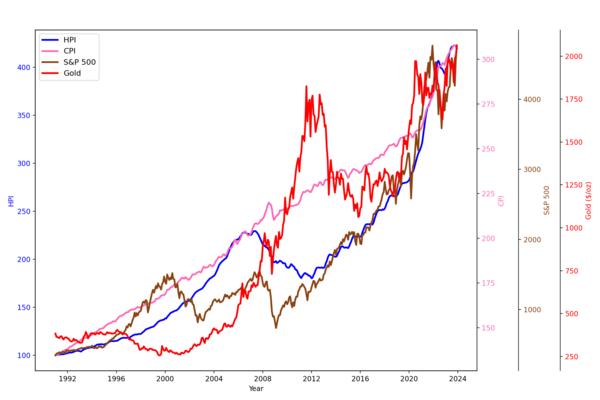
The authors assessed the correlation between the stock, commodity, and consumer markets with the housing market.
Read More...Evaluating the relationship between United States housing prices and United States markets
The authors assessed the correlation between the stock, commodity, and consumer markets with the housing market.
Read More...Does emotion regulation moderate the relationship between self-esteem and social desirability?
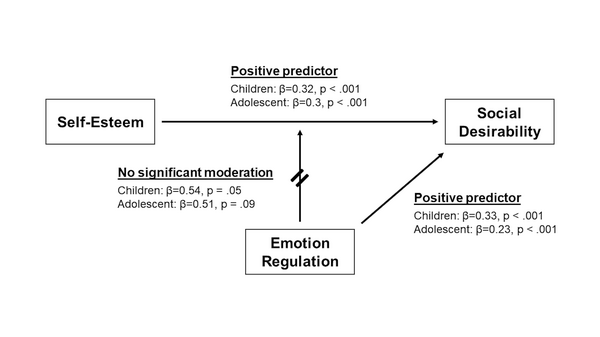
The authors investigate the relationship between self-esteem, social desirability, and emotion regulation in children and adolescents.
Read More...Studying the effects of different anesthetics on quasi-periodic patterns in rat fMRI
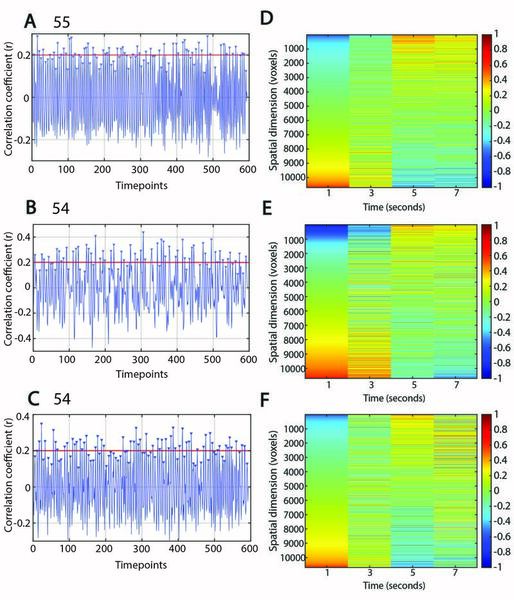
The authors looked at the effects of commonly used anesthetics in rodents on brain activity (specifically quasi-periodic patterns). Understanding effects on brain activity is important for researchers to understand when choosing rodent models for disease.
Read More...Investigating Hydrogen as a Potential Alternative to Kerosene in Fueling Commercial Aircraft
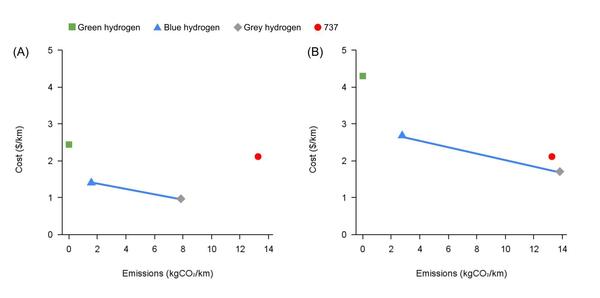
Growing climate concerns have intensified research into zero-emission transportation fuels, notably hydrogen. Hydrogen is considered a clean fuel because its only major by-product is water. This project analyzes how hydrogen compares to kerosene as a commercial aircraft fuel with respect to cost, CO2 emissions, and flight range.
Read More...DNA-SEnet: A convolutional neural network for classifying DNA-asthma associations
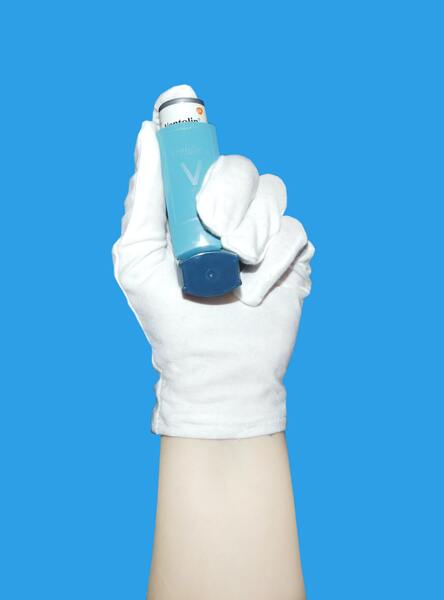
In this study, the authors developed a model named DNA Sequence Embedding Network (DNA-SEnet) to classify DNA-asthma associations using their genomic patterns.
Read More...A machine learning approach for abstraction and reasoning problems without large amounts of data
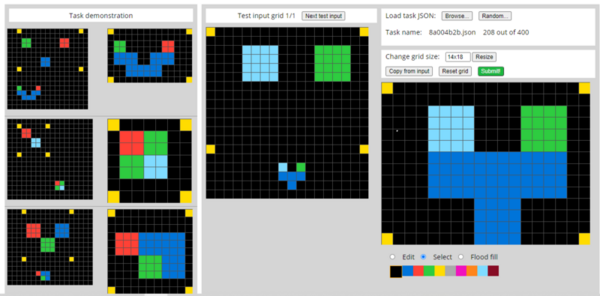
While remarkable in its ability to mirror human cognition, machine learning and its associated algorithms often require extensive data to prove effective in completing tasks. However, data is not always plentiful, with unpredictable events occurring throughout our daily lives that require flexibility by artificial intelligence utilized in technology such as personal assistants and self-driving vehicles. Driven by the need for AI to complete tasks without extensive training, the researchers in this article use fluid intelligence assessments to develop an algorithm capable of generalization and abstraction. By forgoing prioritization on skill-based training, this article demonstrates the potential of focusing on a more generalized cognitive ability for artificial intelligence, proving more flexible and thus human-like in solving unique tasks than skill-focused algorithms.
Read More...Optimizing data augmentation to improve machine learning accuracy on endemic frog calls
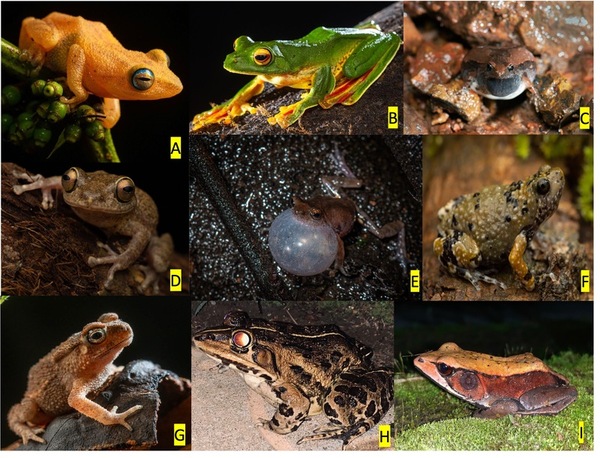
The mountain chain of the Western Ghats on the Indian peninsula, a UNESCO World Heritage site, is home to about 200 frog species, 89 of which are endemic. Distinctive to each frog species, their vocalizations can be used for species recognition. Manually surveying frogs at night during the rain in elephant and big cat forests is difficult, so being able to autonomously record ambient soundscapes and identify species is essential. An effective machine learning (ML) species classifier requires substantial training data from this area. The goal of this study was to assess data augmentation techniques on a dataset of frog vocalizations from this region, which has a minimal number of audio recordings per species. Consequently, enhancing an ML model’s performance with limited data is necessary. We analyzed the effects of four data augmentation techniques (Time Shifting, Noise Injection, Spectral Augmentation, and Test-Time Augmentation) individually and their combined effect on the frog vocalization data and the public environmental sounds dataset (ESC-50). The effect of combined data augmentation techniques improved the model's relative accuracy as the size of the dataset decreased. The combination of all four techniques improved the ML model’s classification accuracy on the frog calls dataset by 94%. This study established a data augmentation approach to maximize the classification accuracy with sparse data of frog call recordings, thereby creating a possibility to build a real-world automated field frog species identifier system. Such a system can significantly help in the conservation of frog species in this vital biodiversity hotspot.
Read More...Effects of data amount and variation in deep learning-based tuberculosis diagnosis in chest X-ray scans
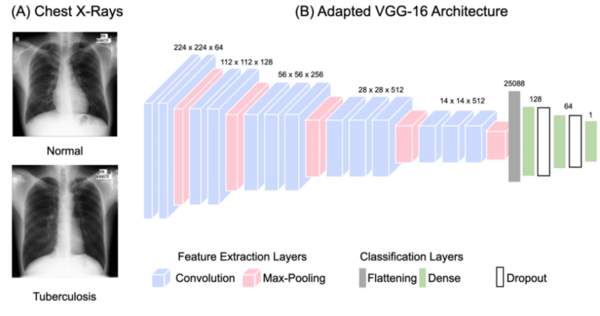
The authors developed and tested machine learning methods to diagnose tuberculosis from pulmonary X-ray scans.
Read More...Epileptic seizure detection using machine learning on electroencephalogram data
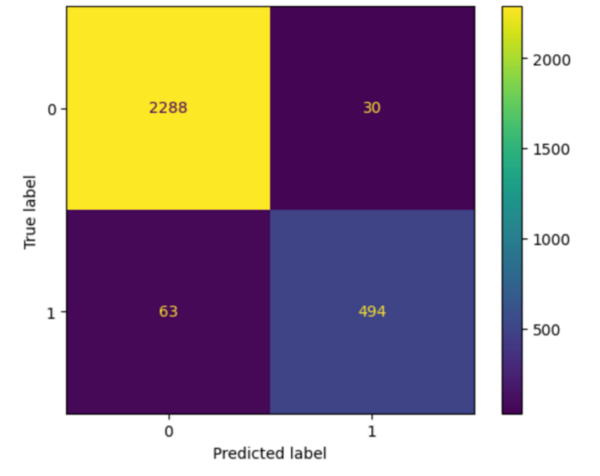
The authors use machine learning and electroencephalogram data to propose a method for improving epilepsy diagnosis.
Read More...Utilizing meteorological data and machine learning to predict and reduce the spread of California wildfires
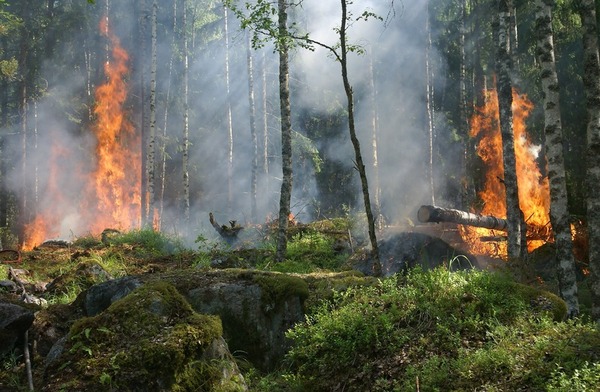
This study hypothesized that a machine learning model could accurately predict the severity of California wildfires and determine the most influential meteorological factors. It utilized a custom dataset with information from the World Weather Online API and a Kaggle dataset of wildfires in California from 2013-2020. The developed algorithms classified fires into seven categories with promising accuracy (around 55 percent). They found that higher temperatures, lower humidity, lower dew point, higher wind gusts, and higher wind speeds are the most significant contributors to the spread of a wildfire. This tool could vastly improve the efficiency and preparedness of firefighters as they deal with wildfires.
Read More...