Browse Articles

Feature extraction from peak detection algorithms for enhanced EMG-based hand gesture recognition models

Nathan et al. | Jan 10, 2026

Feature extraction from peak detection algorithms for enhanced EMG-based hand gesture recognition models
Image credit: Nathan and Raju

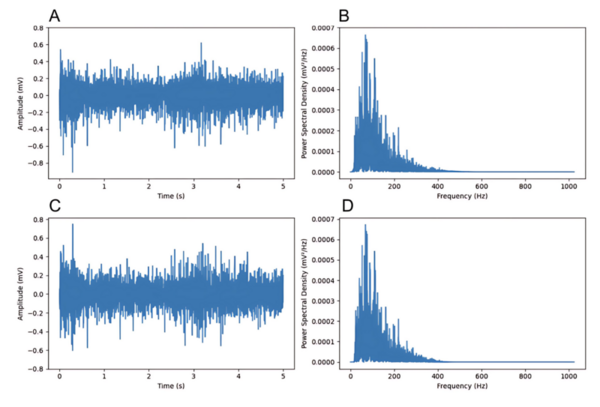
This manuscript evaluates peak detection algorithms for feature extraction in EMG-based hand gesture recognition using a random forest classifier. The study demonstrates that wavelet-based peak detection features achieve the highest classification accuracy (96.5%), outperforming other methods. The results highlight the potential of peak features to improve EMG-based prosthetic control systems.

Read More...

Optimizing Interplanetary Travel Using a Genetic Algorithm

Murali et al. | Oct 28, 2018

Optimizing Interplanetary Travel Using a Genetic Algorithm

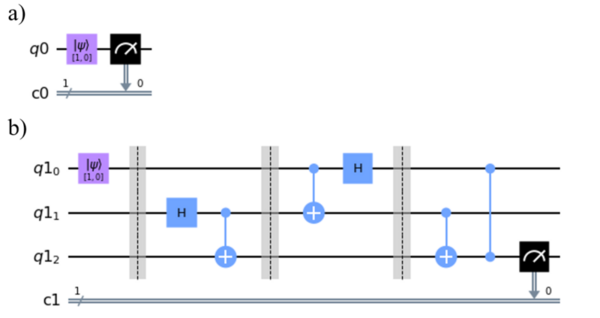
In this work, the authors develop an algorithm that solves the problem of efficient space travel between planets. This is a problem that could soon be of relevance as mankind continues to expand its exploration of outer space, and potentially attempt to inhabit it.

Read More...

DyGS: A Dynamic Gene Searching Algorithm for Cancer Detection

Wang et al. | Jun 05, 2018

DyGS: A Dynamic Gene Searching Algorithm for Cancer Detection

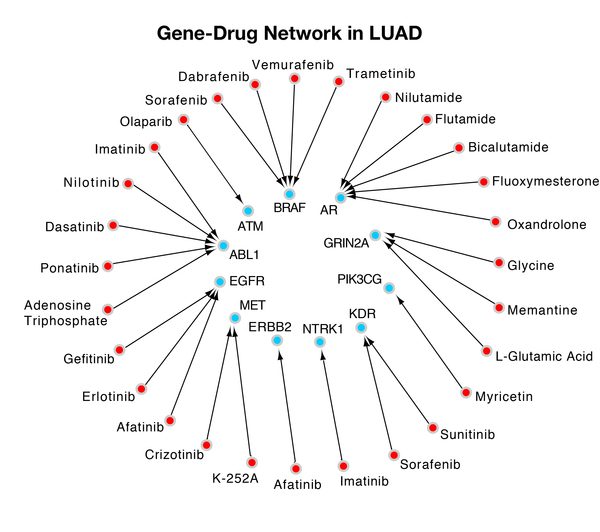
Wang and Gong developed a novel dynamic gene-searching algorithm called Dynamic Gene Search (DyGS) to create a gene panel for each of the 12 cancers with the highest annual incidence and death rate. The 12 gene panels the DyGS algorithm selected used only 3.5% of the original gene mutation pool, while covering every patient sample. About 40% of each gene panel is druggable, which indicates that the DyGS-generated gene panels can be used for early cancer detection as well as therapeutic targets in treatment methods.

Read More...

A Quantitative Assessment of Time, Frequency, and Time-frequency Algorithms for Automated Seizure Detection and Monitoring

Vangal et al. | Sep 28, 2020

A Quantitative Assessment of Time, Frequency, and Time-frequency Algorithms for Automated Seizure Detection and Monitoring

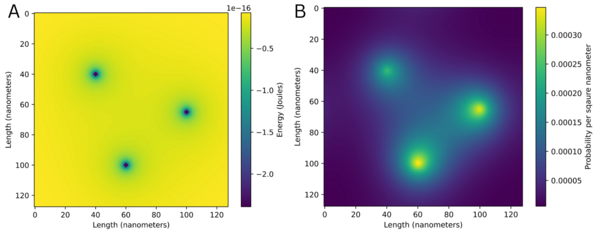
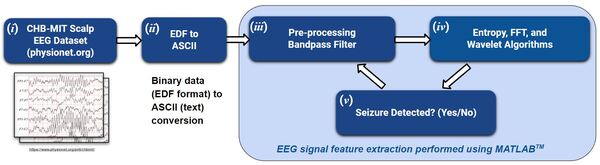
Each year, over 100,000 patients die from Sudden Unexpected Death in Epilepsy (SUDEP). A reliable seizure warning system can help patients stay safe. This work presents a comprehensive, comparative analysis of three different signal processing algorithms for automated seizure/ictal detection. The experimental results show that the proposed methods can be effective for accurate automated seizure detection and monitoring in clinical care.

Read More...