
Here the authors performed a comparative analysis to investigate the viability of using PLAY® instead of fetal bovine serum (FBS) as a growth medium to culture cells with an enzyme-linked immunosorbent assay.
Read More...An in vitro comparative analysis of the growth factors present in FBS vs PLAY®
Here the authors performed a comparative analysis to investigate the viability of using PLAY® instead of fetal bovine serum (FBS) as a growth medium to culture cells with an enzyme-linked immunosorbent assay.
Read More...The design of Benzimidazole derivatives to bind to GDP-bound K-RAS for targeted cancer therapy
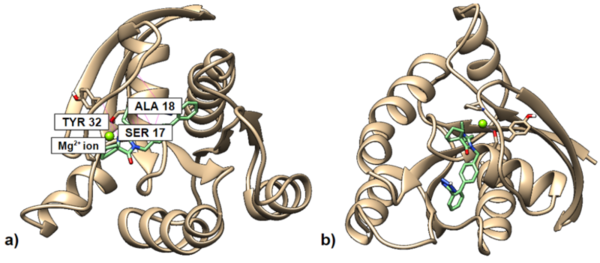
In this study, the authors looked at a proto-oncogene, KRAS, and searched for molecules that are predicted to be able to bind to the inactive form of KRAS. They found that a modified version of Irbesartan, a derivative of benzimidazole, showed the best binding to inactive KRAS.
Read More...In silico screening of DEAB analogues as ALDH1 isoenzymes inhibitors in cancer treatment
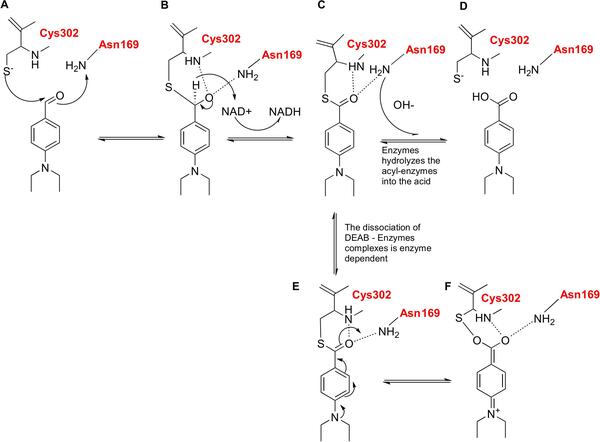
The authors computationally screened potential ALDH1 inhibitors, for use as potential cancer therapeutics.
Read More...The effects of potassium bromate on the apoptosis and survivability of human cell lines

The authors studied the effect of potassium bromate, a common food additive, to cell viability.
Read More...Cell cytotoxicity and pro-apoptosis on MCF-7 cells using polyherbal formulation, MAT20
.jpeg)
The purpose of this study was to test the anti-cancer properties and pro-apoptotic effects of the polyherbal formulation MAT20 as a complementary treatment. Moringa oleifera (Moringa), Phyllanthus emblica (Amla) and Ocimum sanctum (Tulsi), these 3 herbs were used to formulate MAT20, which contain phytochemicals that are known to display anti-cancer properties. In this study, we hypothesized that MCF-7 breast cancer cells treated with MAT20 would show increased cytotoxicity compared to its individual plant extracts.
Read More...B cell dynamics as predictive markers in triple-negative breast cancer treated with Pembrolizumab & radiation
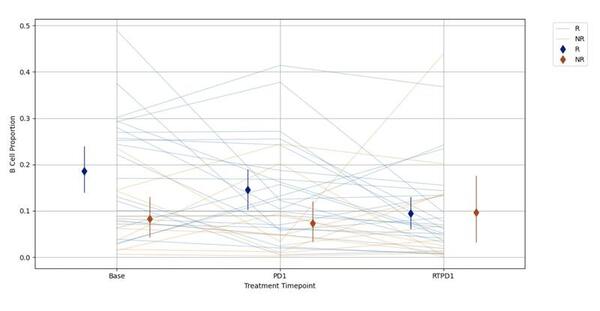
This study used single-cell RNA sequencing to examine whether B cells can predict response to pembrolizumab and radiation therapy in patients with triple-negative breast cancer.
Read More...Predicting sickle cell vaso-occlusion by microscopic imaging and modeling
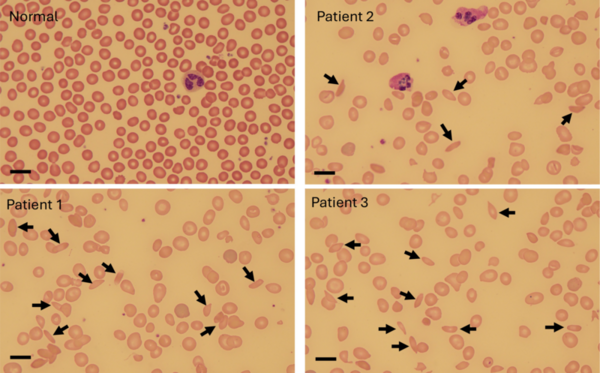
The authors use blood smears from individuals with sickle cell disease to correlate sickle cell frequency with the occurrence of vaso-occlusive crises.
Read More...Voltage, power, and energy production of a Shewanella oneidensis biofilm microbial fuel cell in microgravity
.PNG)
The authors looked at the ability of Shewanella oneidensis to generate energy in a microbial fuel cell under varying conditions. They found that the S. Onedensis biofilm was able to produce energy in microgravity and that one of the biggest factors that limited energy production was a decrease in growth medium present.
Read More...Integrating microbial fuel cell with sedum green roof for stormwater retention and renewable energy generation
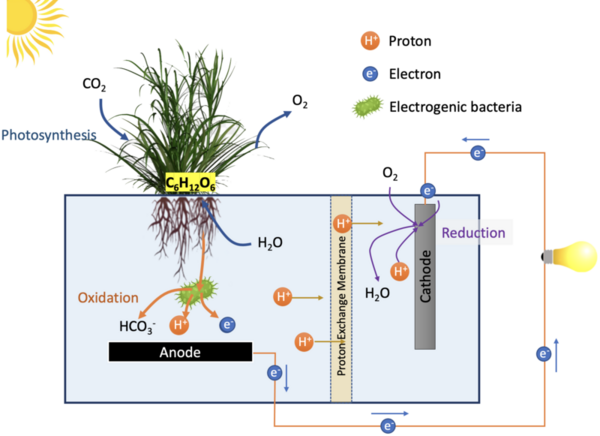
The authors looked at renewable energy generators and the ability to utilize green roofs as a solution to climate change.
Read More...Uncovering mirror neurons’ molecular identity by single cell transcriptomics and microarray analysis

In this study, the authors use bioinformatic approaches to characterize the mirror neurons, which are active when performing and seeing certain actions. They also investigated whether mirror neuron impairment was connected to neural degenerative diseases and psychiatric disorders.
Read More...