Browse Articles

Do Attractants Bias the Results of Malaise Trap Research?

Martinez et al. | Jan 22, 2020

Do Attractants Bias the Results of Malaise Trap Research?

Malaise traps are commonly used to collect flying insects for a variety of research. In this study, researchers hypothesized the attractants used in these traps may create bias in insect studies that could lead to misinterpreted data. To test this hypothesis two different kinds of attractant were used in malaise traps, and insect diversity was assessed. Attractants were found to alter the dispersion of insects caught in traps. These findings can inform future malaise traps studies on insect diversity.

Read More...
Performance comparison of indoor polyculture utilizing hydroponic and soil-based systems

Sreenath et al. | Jul 26, 2026

Performance comparison of indoor polyculture utilizing hydroponic and soil-based systems

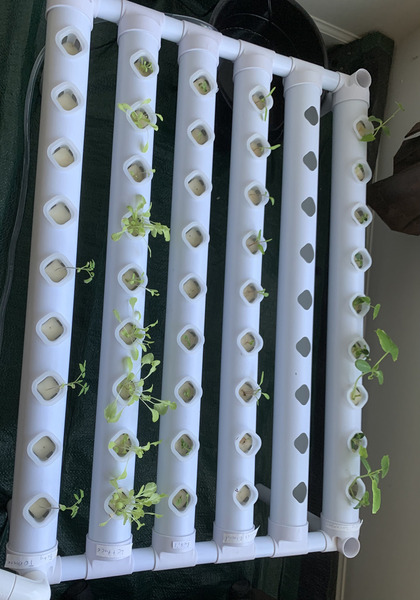
Hydroponics is often promoted as a highly efficient alternative to traditional soil farming, but its effectiveness in small indoor polyculture systems is not well understood. In this study, students compared plant growth and maturity across hydroponic and soil-based indoor polycultures and found that soil grown plants were generally taller and more mature than those grown hydroponically. These results suggest that soil-based methods may outperform hydroponics in certain household polyculture settings.

Read More...

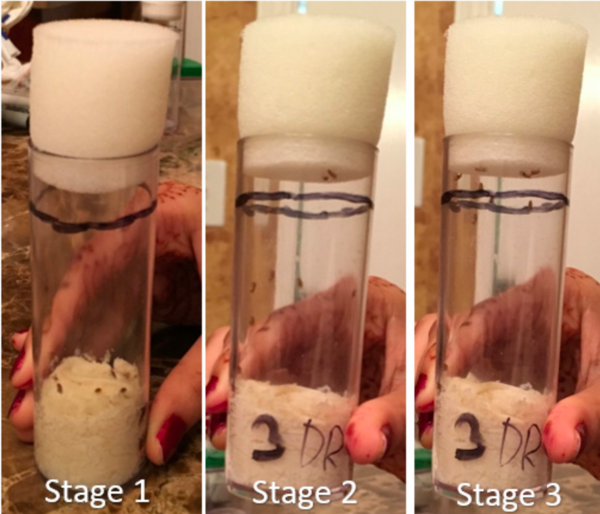
The Effects of Antioxidants on the Climbing Abilities of Drosophila melanogaster Exposed to Dental Resin

Prashanth et al. | Jan 17, 2019

The Effects of Antioxidants on the Climbing Abilities of <em>Drosophila melanogaster</em> Exposed to Dental Resin

Dental resins can be a source of reactive oxygen species (ROS) which in unruly amounts can be toxic to cellular and overall health. In this report, the authors test whether the consumption of antioxidant rich foods like avocado and asparagus can protect against the effect of dental resin-derived ROS. However, rather than testing humans, they use fruit flies and their climbing abilities as an experimental readout.

Read More...

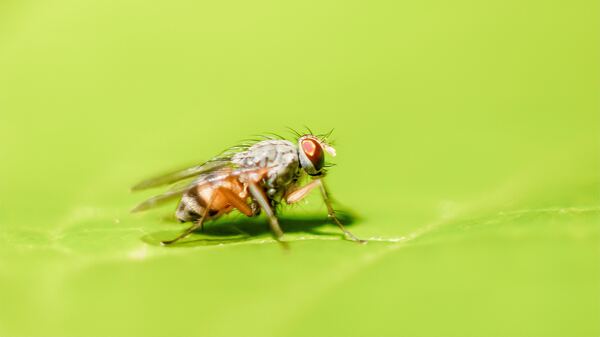
Effects of Wi-Fi EMF on Drosophila melanogaster

Anand et al. | Jan 29, 2020

Effects of Wi-Fi EMF on <em>Drosophila melanogaster</em>

While increased access to Wi-Fi has been a great advancement, we have a limited understanding if there are any health effects on animals. In this study, Anand and Anand exposed fruit flies (Drosophila melanogaster) to different concentrations of Wi-Fi electromagnetic fields, and observed effects on their reproduction and survivability.

Read More...

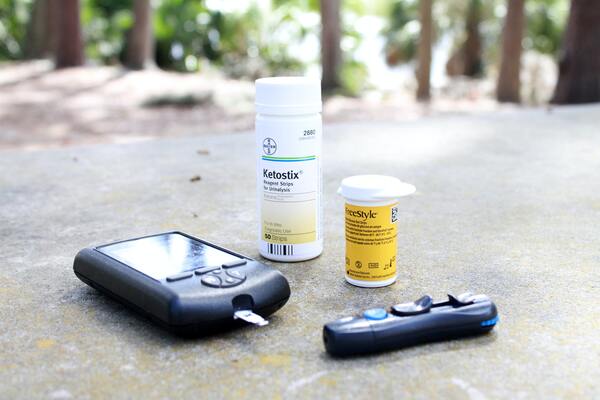
Development of Diet-Induced Insulin Resistance in Drosophila melanogaster and Characterization of the Anti-Diabetic Effects of Resveratrol and Pterostilbene

Dhar et al. | Jul 02, 2018

Development of Diet-Induced Insulin Resistance in Drosophila melanogaster and Characterization of the Anti-Diabetic Effects of Resveratrol and Pterostilbene

Dhar and colleagues established a Type II diabetes mellitus (T2DM) model in fruit flies, using this model to induce insulin resistance and characterize the effects Resveratrol and Pterostilbene on a number of growth and activity metrics. Resveratrol and Pterostilbene treatment notably overturned the weight gain and glucose levels. The results of this study suggest that Drosophila can be utilized as a model organism to study T2DM and novel pharmacological treatments.

Read More...

Investigating toxicity and antimicrobial properties of silver nanoparticles in Escherichia coli and Drosophila melanogaster

Ghosh et al. | Dec 01, 2025

Investigating toxicity and antimicrobial properties of silver nanoparticles in <em>Escherichia coli</em> and <em>Drosophila melanogaster</em>
Image credit: Ghosh and Hendricks

This paper looks at the antibacterial and toxic effects of silver nanoparticles (AgNPs) on Escherichia coli bacteria and Drosophila melanogaster fruit flies. They modified the AgNPs size, concentration, and surface coating to determine the effects on each of the organisms. For both organisms, increased AgNP concentration demonstrated increased toxicity but particle size and surface coating had opposing effects.

Read More...