Browse Articles

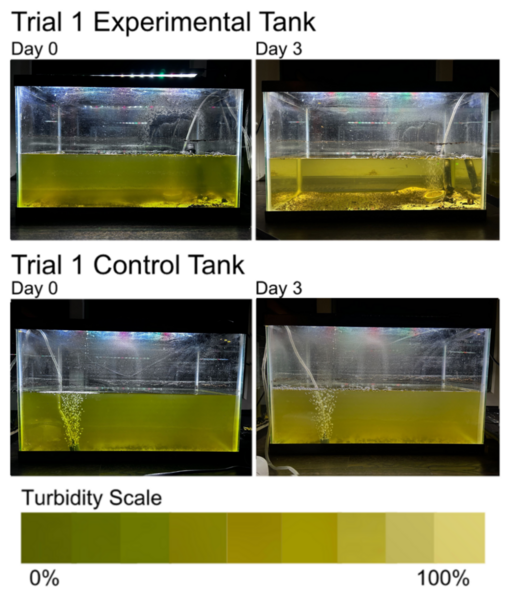
The effect of floating plant on water purification: Comparison of the water purification capability of Water Hyacinth, Duckweed, and Azolla

Park et al. | Nov 21, 2020

The effect of floating plant on water purification: Comparison of the water purification capability of Water Hyacinth, Duckweed, and Azolla

Clean water is a necessity for every household, yet water pollution is a serious problem in many parts of the world and plays a major role in compromising water security in the 21st century. In this paper, the authors address the utility of several plants as natural water purifiers. They estimate the effectiveness of duckweed, hyacinth, and azolla in improving the quality of water from the Mithi river in India by measuring several metrics. They conclude that all three plants are effective in improving water quality, suggesting that these plants as eco-friendly options for water treatment.

Read More...

Determining the Effects of Fibroblast Growth Factor 2 on the Regenerative Abilities of Echinometra lucunter Sea Urchins

Kisling et al. | Feb 12, 2019

Determining the Effects of Fibroblast Growth Factor 2 on the Regenerative Abilities of Echinometra lucunter Sea Urchins

As humans, not all our body organs can adequately regenerate after injury, an ability that declines with age. In some species, however, regeneration is a hallmark response that can occur limitless numbers of time throughout the life of an organism. Understanding how such species can regenerate so efficiently is of central importance to regenerative medicine. Sea urchins, unlike humans, can regenerate their spinal tissue after injury. Here the authors study the effect of a growth factor, FGF2, on sea urchin regeneration but find no conclusive evidence for a pro-regenerative effect after spinal tissue injury.

Read More...

The effect of lead oxide concentrations on the bioluminescence intensity of Panellus stipticus

Park et al. | Mar 02, 2026

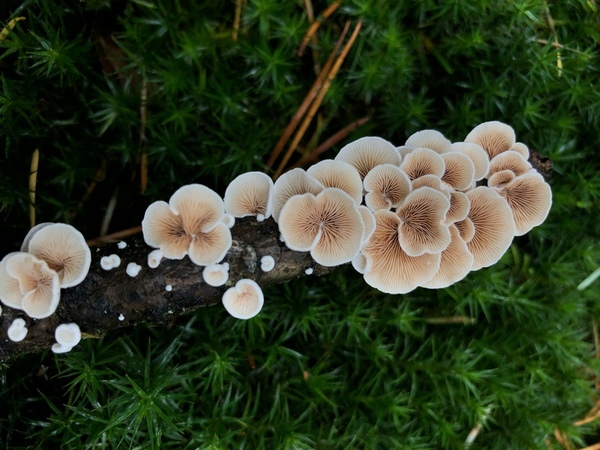
The effect of lead oxide concentrations on the bioluminescence intensity of <i>Panellus stipticus</i>

Here the authors investigate the potential of the bioluminescent fungus Panellus stipticus to serve as a sustainable bioindicator for environmental lead contamination. Their findings demonstrate that higher lead concentrations cause a measurable decrease in fungal bioluminescence intensity over time suggesting that the fungus could be an effective tool for detecting lead in an environment.

Read More...

Development of novel biodegradable bioplastics for packaging film using mango peels

Wang et al. | Apr 06, 2025

Development of novel biodegradable bioplastics for packaging film using mango peels
Image credit: JACQUELINE BRANDWAYN

Here the authors explored the development of biodegradable bioplastic films derived from mango peels as a sustainable solution to plastic pollution and greenhouse gas emissions from fruit waste. They optimized the film's mechanical properties and water resistance through adjusting processing conditions and incorporating plasticizers and a hydrophobic coating, ultimately demonstrating its potential as a bacteriostatic and biodegradable alternative to conventional plastic food wrap.

Read More...