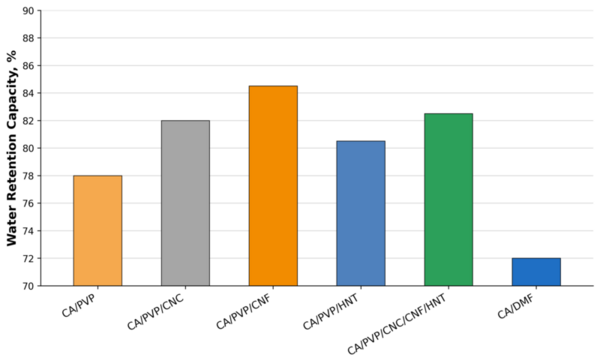
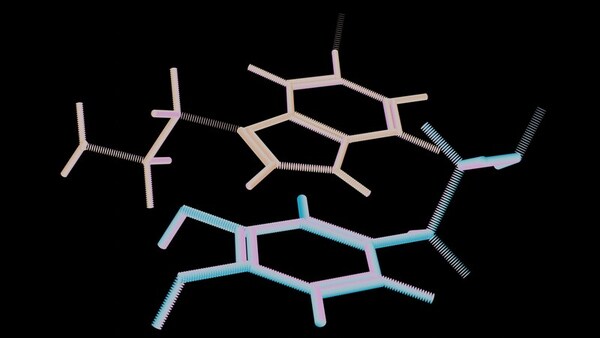
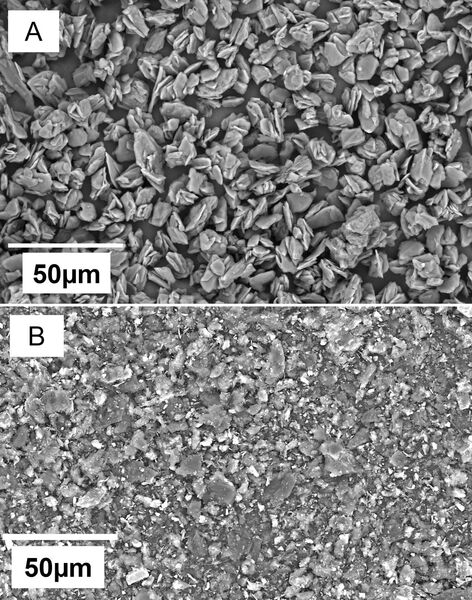
We developed new eco-friendly membranes enriched with natural nanomaterials to clean iron and manganese from drinking water. Some nanocomposite membranes achieved over 95% metal removal while maintaining water flux, suggesting improved performance compared to the undoped control group.
Image credit: Daehan Yi, Boughaleb Hassani and Ribeiro
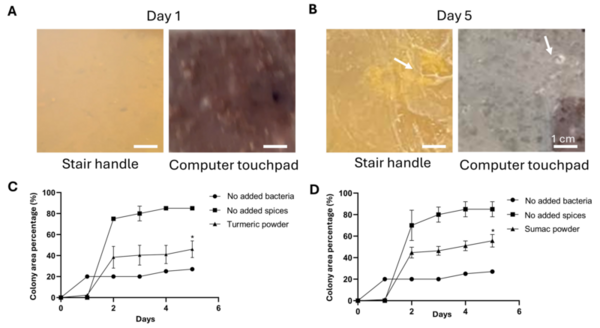
The study investigates the antibacterial properties of household spices on bacteria isolated from everyday objects, aiming to address the limited understanding of bacterial resilience on surfaces and the potential of spices as antibacterial agents. Researchers hypothesized that bacteria would grow faster on some surfaces than others and that spices like honey, chili powder, turmeric, and sumac would inhibit bacterial growth at varying rates. The findings suggest that household spices possess significant antibacterial properties and could be used as emergency disinfectants, particularly in under-resourced settings. However, they cannot replace medical treatments but offer insights into alternative health solutions using common ingredients.
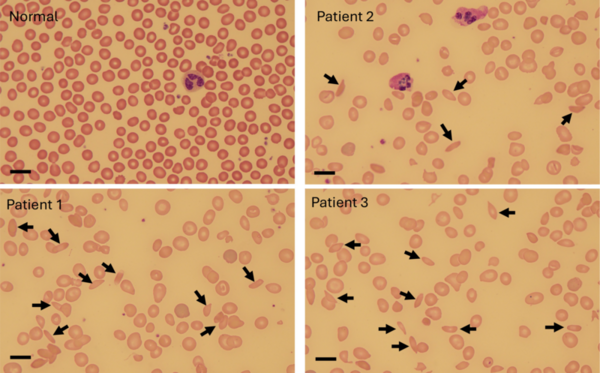
The authors use blood smears from individuals with sickle cell disease to correlate sickle cell frequency with the occurrence of vaso-occlusive crises.
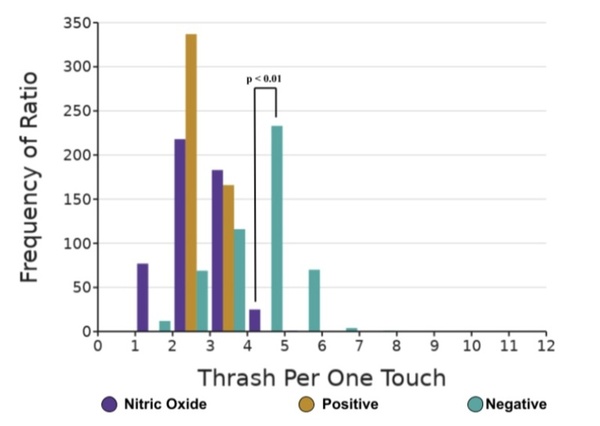
Here the authors investigated the natural recovery of stress-induced dopamine-related gene deficits in C. elegans by measuring the expression of cat-2 (dopamine biosynthesis) and sod-2 (oxidative stress) following exposure to starvation or hydrocortisone. They found that the reversibility of sod-2 and the expression of cat-2 were highly dependent on the type and severity of the stressor, suggesting that the body's natural ability to recover from dopamine dysfunction has biological limitations.
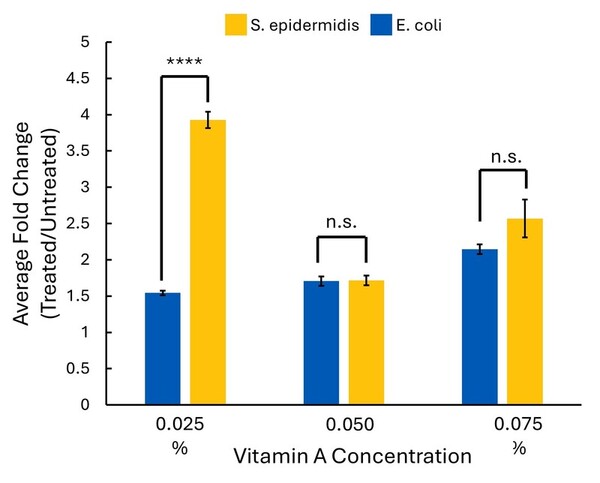
The authors looked at the impact of vitamin A (retinol) on growth of S. epidermidis (most abundant bacterium on the skin) and E. coli (found in the gut microbiome, but not on the skin).
This study analyzed patient demographics in the ophthalmology department at Indira Gandhi Medical College and Hospital (IGMCH) to assess relationships between age, sex, and eye conditions. While the overall sex distribution was equal, individual conditions varied, with cataracts and retinal disorders more common in males and conjunctival conditions slightly more prevalent in females, though none were statistically significant (p > 0.05) except for cataract patients aged 50–89 (p < 0.001). Understanding these trends can help medical facilities allocate resources more effectively for improved patient care.