Browse Articles

Changing public opinions on genetically modified organisms through access to educational resources

Klein et al. | Jul 26, 2022

Changing public opinions on genetically modified organisms through access to educational resources

Genetically modified organisms (GMOs) are crops or animals that have been genetically engineered to express a certain physical or biological characteristic and have various benefits that have made them become increasingly popular. However, the public has had mixed reactions to the use of GMOs, with some skeptical of their safety. The purpose of this study was to evaluate how opinions on genetically modified foods can change from exposure to small amounts of information

Read More...

Correlation of Prominent Intelligence Type & Coworker Relations

Rasmus et al. | Mar 29, 2022

Correlation of Prominent Intelligence Type & Coworker Relations

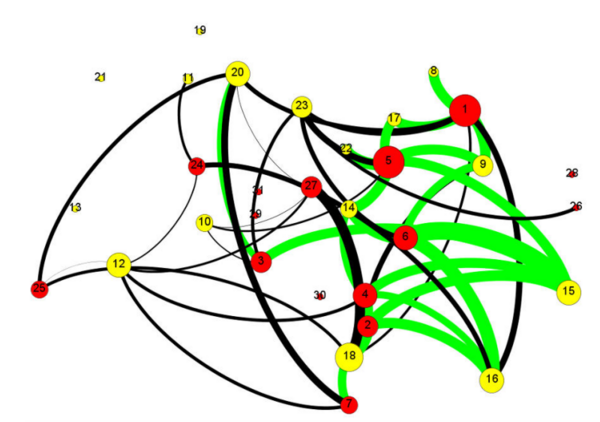
Ashley Moulton & Joseph Rasmus investigate 9 controversial categories of intelligence as predicted by Multiple Intelligence Theory, originally proposed in the mid-1980s. By collecting data from 56 participants, they record that there may not actually be a correlation between these categorical types when it comes to workplace atmosphere and project efficiency.

Read More...

Integrated Ocean Cleanup System for Sustainable and Healthy Aquatic Ecosystems

Anand et al. | Nov 14, 2020

Integrated Ocean Cleanup System for Sustainable and Healthy Aquatic Ecosystems

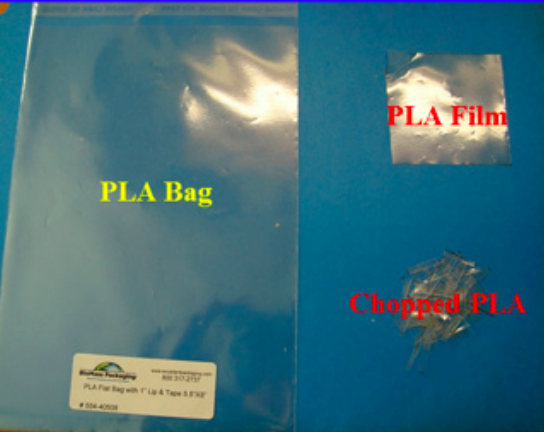
Oil spills are one of the most devastating events for marine life. Finding ways to clean up oil spills without the need for harsh chemicals could help decrease the negative impact of such spills. Here the authors demonstrate that using a combination of several biodegradable substances can effectively adsorb oil in seawater in a laboratory setting. They suggest further exploring the potential of such a combination as a possible alternative to commonly-used non-biodegradable substances in oil spill management.

Read More...

Artificial Intelligence Networks Towards Learning Without Forgetting

Kreiman et al. | Oct 26, 2018

Artificial Intelligence Networks Towards Learning Without Forgetting

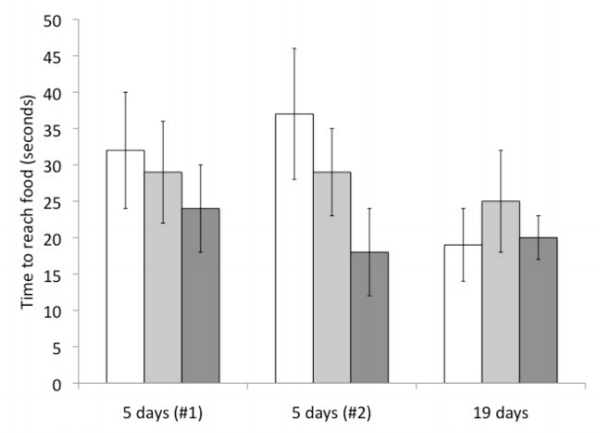
In their paper, Kreiman et al. examined what it takes for an artificial neural network to be able to perform well on a new task without forgetting its previous knowledge. By comparing methods that stop task forgetting, they found that longer training times and maintenance of the most important connections in a particular task while training on a new one helped the neural network maintain its performance on both tasks. The authors hope that this proof-of-principle research will someday contribute to artificial intelligence that better mimics natural human intelligence.

Read More...

Comparative Gamma Radiation Analysis by Geographic Region

Zadan et al. | Jul 20, 2015

Comparative Gamma Radiation Analysis by Geographic Region

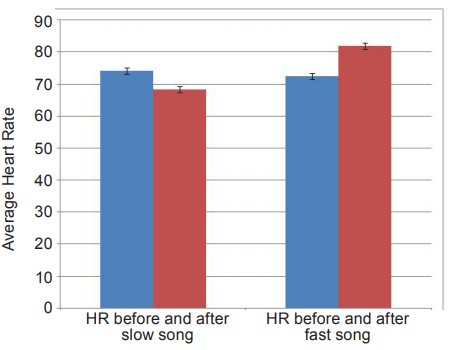
Gamma radiation can be produced by both natural and man-made sources and abnormally high exposure levels could lead to an increase in cell damage. In this study, gamma radiation was measured at different locations and any correlation with various geographic factors, such as distance from a city center, elevation and proximity to the nearest nuclear reactor, was determined.

Read More...

Exploring Interactions between PFAS (Per- and Polyfluoroalkyl Substances) and proteins

Lu-Yang et al. | May 16, 2026

Exploring Interactions between PFAS (Per- and Polyfluoroalkyl Substances) and proteins
Image credit: Authors

Here the authors investigated how the "forever chemical" perfluorooctanoic acid binds to bovine serum albumin (BSA) using computational software to simulate its potential impact on essential human plasma proteins. They identify a possible, high-energy binding configuration that could persistently impair protein functions, underscoring the critical need for further research into the long-term health risks of per- and poly-fluoroalkyl substances exposure.

Read More...