
The authors assess the relationship between supportive family environments and internalized stigma in adolescents.
Read More...Social and psychosocial factors associated with mood states among adolescents: A questionnaire-based study
The authors assess the relationship between supportive family environments and internalized stigma in adolescents.
Read More...Household spices and minerals as alternative disinfectants for mobile phones
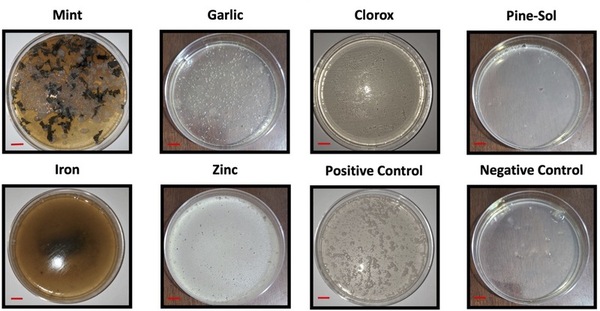
In this study, the authors investigate the disinfectant potential of many household spices and minerals. More specifically, they test whether these compounds can be used to disinfect mobile phones after daily use with the hope of identifying environmentally-friendly cleaning options.
Read More...A cross-cultural analysis of consumer behavior and payment preferences: Insights from India and the United Arab Emirates
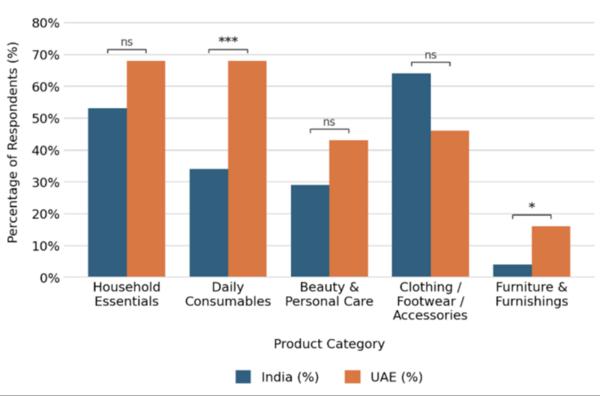
Consumers in India and the United Arab Emirates live in very different economic and cultural environments, and this study set out to measure how that shapes the way they shop and pay. Surveying 50 people in each country, they found that Indian consumers were more price-sensitive and favored cash, while UAE consumers prioritized convenience, gravitating toward credit cards, mobile wallets, and online shopping. The results offer practical insight for retailers, marketers, and policymakers working across these two fast-growing but culturally distinct markets.
Read More...Distribution of prophages in the Streptococcus bacteria genus and their role in increasing host pathogenicity
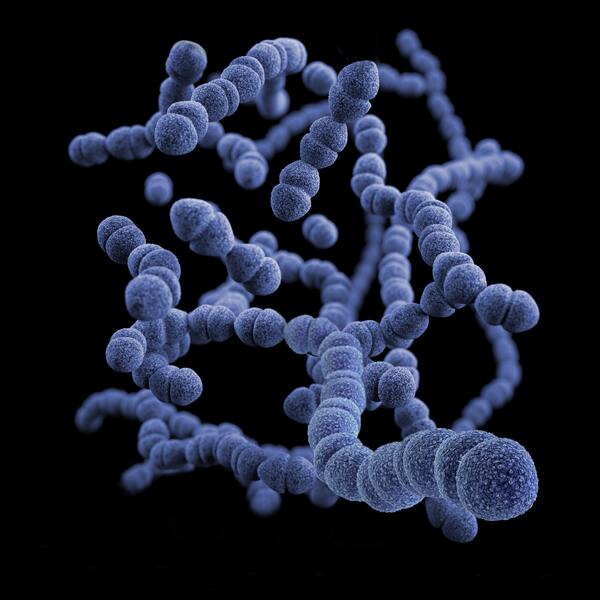
The authors investigated prophages present in Streptococcus bacteria that may increase their survival in different environments.
Read More...Long Range Radio Communication for Urban Sensor Networks
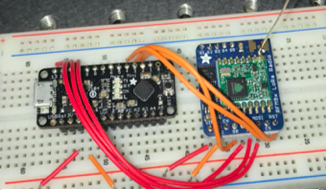
This study investigates the feasibility of using long-range radio communication in a busy city environment in order to begin better understanding how the Internet of Things might be implemented into smart cities.
Read More...Significance of Tumor Growth Modeling in the Behavior of Homogeneous Cancer Cell Populations: Are Tumor Growth Models Applicable to Both Heterogeneous and Homogeneous Populations?
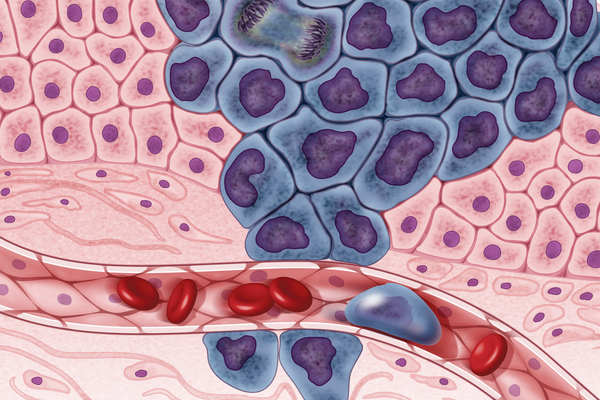
This study follows the process of single-cloning and the growth of a homogeneous cell population in a superficial environment over the course of six weeks with the end goal of showing which of five tumor growth models commonly used to predict heterogeneous cancer cell population growth (Exponential, Logistic, Gompertz, Linear, and Bertalanffy) would also best exemplify that of homogeneous cell populations.
Read More...Paralyzing effects of CO2 and hypothermia on Madagascar hissing and dubia cockroaches
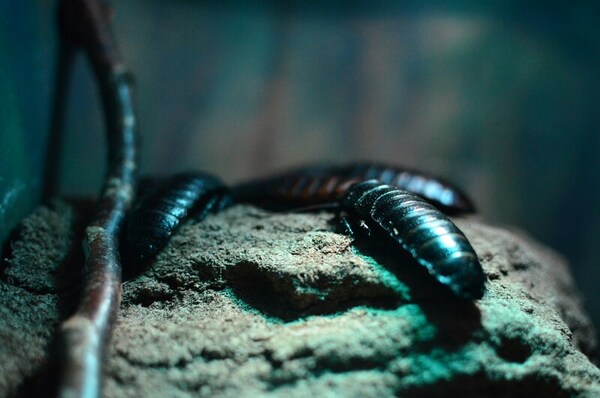
Here the authors sought to find a more ethical and efficient way to temporary paralyze a cockroach by comparing the results of two methods. By comparing immobilization through immersion in cold water and exposure to a 100 % CO2 environment, they found that cockroaches could be immobilized and recovered significantly faster when exposed to CO2.
Read More...pH-dependent drug interactions with acid reducing agents
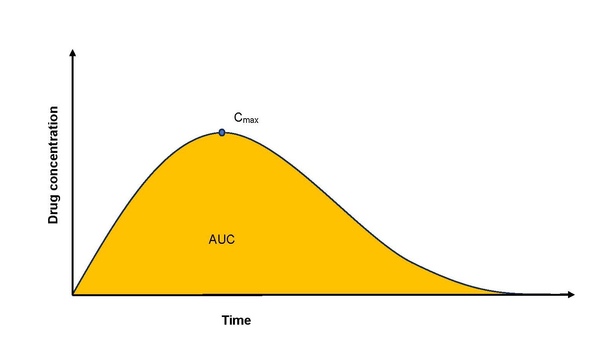
Some cancer treatments lose efficacy when combined with treatments for excessive stomach acid, due to the changes in the stomach environment caused by the stomach acid treatments. Lin and Lin investigate information on oral cancer drugs to see what information is available on interactions of these drugs.
Read More...Nature’s reset: The effect of native and invasive plant forage on honey bee nutrition and survival
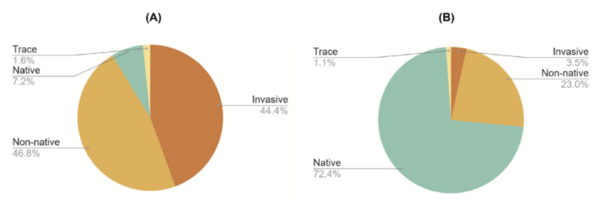
The authors looked at survival of honey bees over the winter in regards to native and invasive plant availability. They found that native plants provided greater survivability and overall health compared to environments where there was an abundance of invasive plants.
Read More...Access to public parks, drinking fountains, and clean public drinking water in the Bay Area is not driven by income
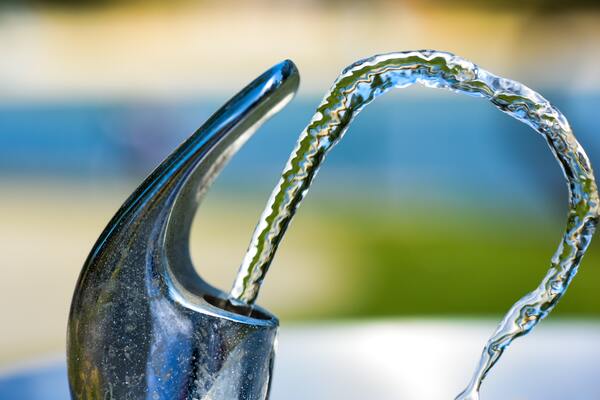
Access to green space—an area of grass, trees, or other vegetation set apart for recreational or aesthetic purposes in an urban environment—and clean drinking water can be unequally distributed in urban spaces, which are often associated with income inequality. Little is known about public drinking water and green space inequities in the Bay Area. For our study, we sought to understand how public park access, drinking fountain access, and the quality of public drinking water differ across income brackets in the Bay Area. Though we observed smaller-scale instances of inequalities, in the park distribution in the Bay Area as a whole, and in the Southern Bay’s water quality and park distribution, our results indicate that other factors could be influencing water quality, and park and fountain access in the Bay Area.
Read More...