Browse Articles

Phages Can Be More Effective and Specific Than Antibiotics in Combating Bacteria

Wu et al. | Feb 17, 2019

Phages Can Be More Effective and Specific Than Antibiotics in Combating Bacteria

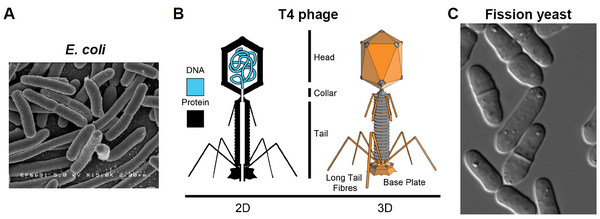
Phage therapy has been suggested as an alternative to antibiotics because bacteria resistant to antibiotics may still be susceptible to phages. However, phages may have limited effectiveness in combating bacteria since bacteria possess several antiviral defense mechanisms and can quickly develop resistance to phages. In this study, Wu and Pinta compare the effectiveness and specificity of antibiotics and phages in combating bacteria. They found that T4 phages are more specific and effective in fighting or inhibiting both antibiotic-resistant and sensitive bacteria than antibiotics, suggesting that phage therapy can be developed as an efficient tool to combat antibiotic-resistant bacteria.

Read More...
Performance comparison of indoor polyculture utilizing hydroponic and soil-based systems

Sreenath et al. | Jul 26, 2026

Performance comparison of indoor polyculture utilizing hydroponic and soil-based systems

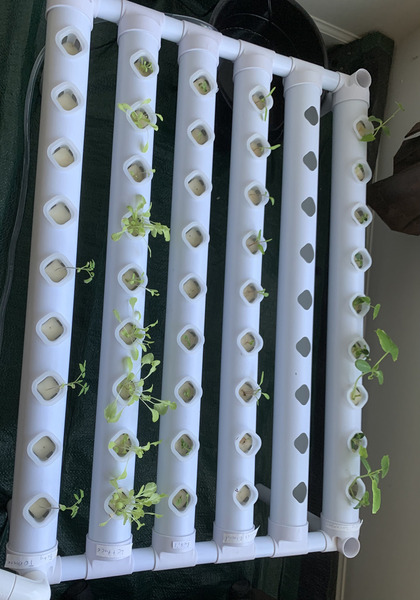
Hydroponics is often promoted as a highly efficient alternative to traditional soil farming, but its effectiveness in small indoor polyculture systems is not well understood. In this study, students compared plant growth and maturity across hydroponic and soil-based indoor polycultures and found that soil grown plants were generally taller and more mature than those grown hydroponically. These results suggest that soil-based methods may outperform hydroponics in certain household polyculture settings.

Read More...

More efficient sources of water distribution for agricultural and general usage

Jung et al. | Nov 11, 2022

More efficient sources of water distribution for agricultural and general usage

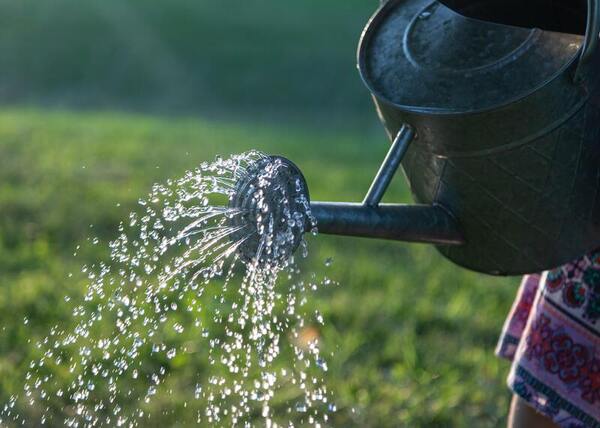
Here, the authors investigated alternative methods to irrigate plants based on the their identification that current irrigation systems waste a large amount of fresh water. They compared three different delivery methods for water: conventional sprinkler, underground cloth, and a perforated pipe embedded in the soil. They found the cloth method to save the most water, although plant growth was slightly less in comparison to plants watered with the sprinkler method or pipe method.

Read More...

Comparing Virulence of Three T4 Bacteriophage Strains on Ampicillin-Resistant and Sensitive E. coli Bacteria

Hudanich et al. | Dec 09, 2020

Comparing Virulence of Three T4 Bacteriophage Strains on Ampicillin-Resistant and Sensitive <em>E. coli</em> Bacteria

In this study, the authors investigate an alternative way to kill bacteria other than the use of antibiotics, which is useful when considering antibiotic-resistance bacteria. They use bacteriophages, which are are viruses that can infect bacteria, and measure cell lysis. They make some important findings that these bacteriophage can lyse both antibiotic-resistant and non-resistant bacteria.

Read More...
Investigating the functionality of an Eco-Cooler made of plastic bottles

Tong et al. | Jul 22, 2026

Investigating the functionality of an Eco-Cooler made of plastic bottles
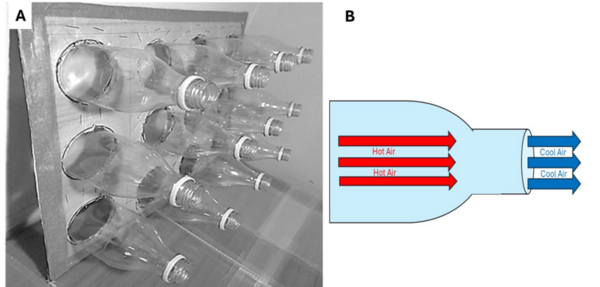
Image credit: Tong, Tong, and Migenes

In the study, the authors looked at an environmentally friendly alternative to A/C systems/cooling. They wanted to test the effectiveness of this cooling system called the Eco-Cooler as well as see if they could improve it. They found that the Eco-Cooler had minimal cooling, while their altered Eco-Cooler system had some cooling. This results shows the use of water helps cool the environment a lot more.

Read More...

Utilizing a Wastewater-Based Medium for Engineered Saccharomyces cerevisiae for the Biological Production of Fatty Alcohols and Carboxylic Acids to Replace Petrochemicals

Ramesh et al. | Oct 02, 2019

Utilizing a Wastewater-Based Medium for Engineered <em>Saccharomyces cerevisiae</em> for the Biological Production of Fatty Alcohols and Carboxylic Acids to Replace Petrochemicals

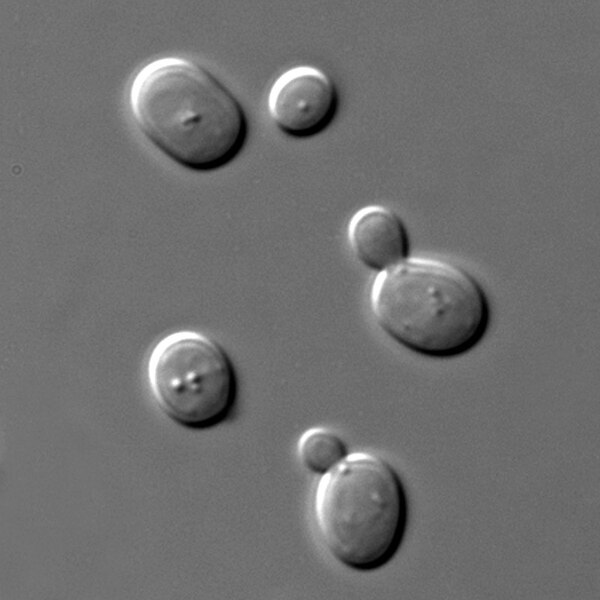
Saccharomyces cerevisiae yeast is used to produce bioethanol, an alternative to fossil fuels. In this study, authors take advantage of this well studied yeast by genetically engineering them to increase fatty acid biosynthesis and culturing in a cost-effective wastewater based medium; potentially providing a sustainable alternative to petrochemicals.

Read More...

The Development and Maximization of a Novel Photosynthetic Microbial Fuel Cell Using Rhodospirillum rubrum

Gomez et al. | Mar 02, 2014

The Development and Maximization of a Novel Photosynthetic Microbial Fuel Cell Using <em>Rhodospirillum rubrum</em>

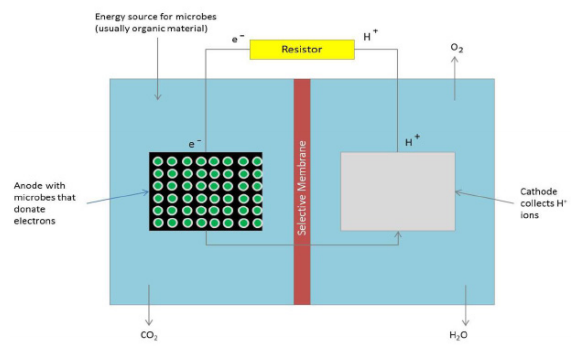
Microbial fuel cells (MFCs) are bio-electrochemical systems that utilize bacteria and are promising forms of alternative energy. Similar to chemical fuel cells, MFCs employ both an anode (accepts electrons) and a cathode (donates electrons), but in these devices the live bacteria donate the electrons necessary for current. In this study, the authors assess the functionality of a photosynthetic MFC that utilizes a purple non-sulfur bacterium. The MFC prototype they constructed was found to function over a range of environmental conditions, suggesting its potential use in industrial models.

Read More...

Influence of induction heating on static recrystallization kinetics of AISI 4130 steel

Chen et al. | Apr 30, 2026

Influence of induction heating on static recrystallization kinetics of AISI 4130 steel

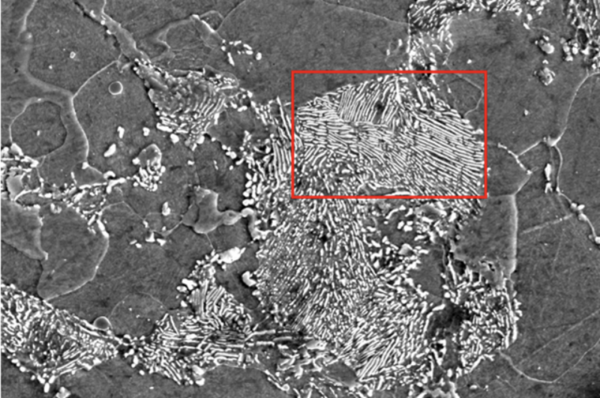
This article investigates whether induction heating can speed up static recrystallization in AISI 4130 steel compared with traditional radiant heating. It was found that induction-heated samples recrystallized faster, softened more quickly, and showed earlier microstructural changes like grain nucleation and pearlite spheroidization, suggesting induction heating could be a more efficient alternative for industrial metal heat treatments.

Read More...

The effect of molecular weights of chitosan on the synthesis and antifungal effect of copper chitosan

Byakod et al. | Apr 07, 2024

The effect of molecular weights of chitosan on the synthesis and antifungal effect of copper chitosan

Pathogenic fungi such as Alternaria alternata (A. alternata) can decimate crop yields and severely limit food supplies when left untreated. Copper chitosan (CuCts) is a promising alternative fungicide for developing agricultural areas due to being inexpensive and nontoxic. We hypothesized that LMWc CuCts would exhibit greater fungal inhibition due to the beneficial properties of LMWc.

Read More...