Browse Articles

Spider Density Shows Weak Relationship with Vegetation Density

Ryon et al. | Jul 03, 2020

Spider Density Shows Weak Relationship with Vegetation Density

Evidence supports that spiders have many ecological benefits including insect control and predation in the food chain. In this study the authors investigate that whether the percent of vegetation coverage and spider density are correlated. They determine that despite the trend there is no statistically significant correlation.

Read More...
Evaluation of Microplastics in Japanese Fish Using Visual and Chemical Dissections

Srebnik et al. | Jan 20, 2021

Evaluation of Microplastics in Japanese Fish Using Visual and Chemical Dissections

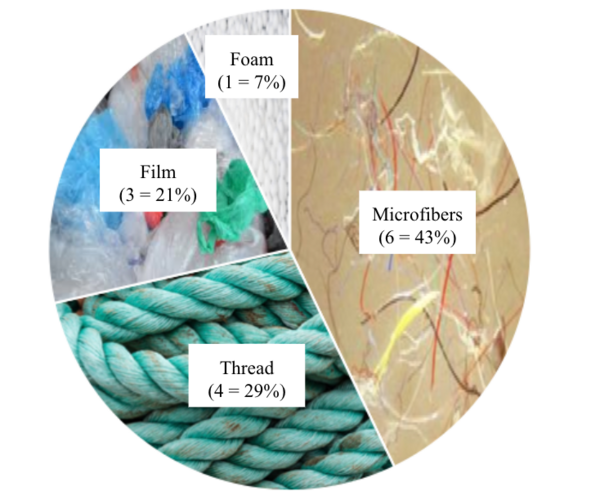
Does the overuse of plastic in Japan poses an ecological risk to marine species and their consumers? Using visual and chemical dissection, all fish in this study were found to have microplastics present in their gastrointestinal tract, including two species that are typically eaten whole in Japan. Overall, these results are concerning as previous studies have found that microplastics can carry persistent organic pollutants. It is presumed that the increasing consumption of microplastics will have negative implications on organ systems such as the liver, gut, and hormones.

Read More...

Modeling and optimization of epidemiological control policies through reinforcement learning

Rao et al. | May 23, 2023

Modeling and optimization of epidemiological control policies through reinforcement learning

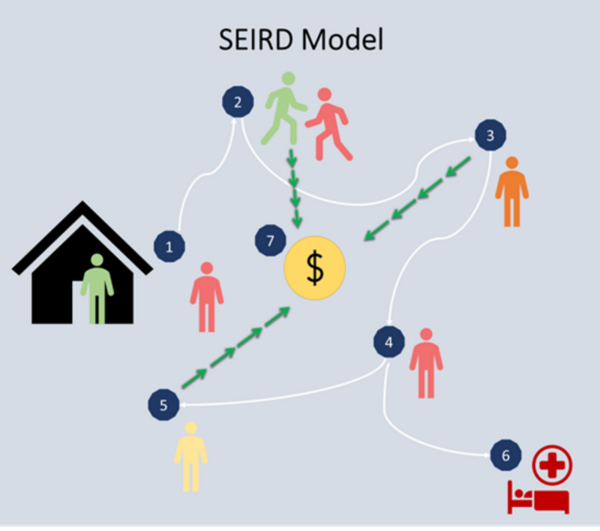
Pandemics involve the high transmission of a disease that impacts global and local health and economic patterns. Epidemiological models help propose pandemic control strategies based on non-pharmaceutical interventions such as social distancing, curfews, and lockdowns, reducing the economic impact of these restrictions. In this research, we utilized an epidemiological Susceptible, Exposed, Infected, Recovered, Deceased (SEIRD) model – a compartmental model for virtually simulating a pandemic day by day.

Read More...

A study of Syrian students' migration motivations, destinations, and return intentions in a time of crisis

Merjaneh et al. | Apr 16, 2026

A study of Syrian students' migration motivations, destinations, and return intentions in a time of crisis
Image credit: Aaron Burden, 2017

This study investigates the migration intentions of Syrian high school and university students amid ongoing conflict and economic instability. Drawing on survey data, the research examines how academic stage influences migration motivations, preferred destinations, and return intentions. The findings reveal a widespread desire to emigrate, driven by educational, economic, and security concerns, highlighting significant implications for Syria’s future workforce and post-conflict recovery.

Read More...

Low female employment rates in South Korea are linked to the gender-specific burden of childrearing

Lee et al. | Aug 07, 2024

Low female employment rates in South Korea are linked to the gender-specific burden of childrearing
Image credit: Karolina Kaboompics

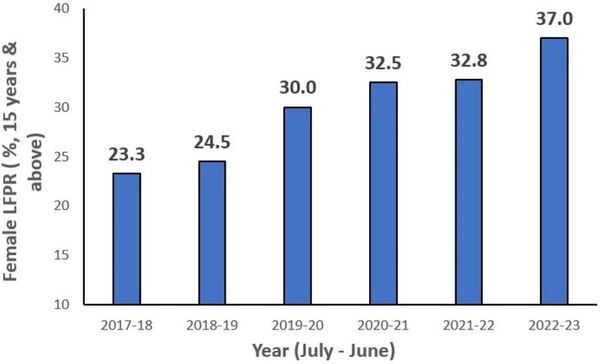
Female employment rates in South Korea are far below those of other countries that are members of the Organization for Economic Co-operation and Development. We assessed job satisfaction, job retention, and the underlying factors that impact these variables for both genders and various ages through a survey. Among 291 adult participants (161 women, 130 men) aged 20 to 59, working in various fields, 95% of responders were college graduates. These results suggest that even highly educated women feel more pressure from an innate sense of responsibility and societal perception to care for children than men.

Read More...

Country-level relationship of OTC medicine consumption and frequency of GP consultation

Hirai et al. | Dec 09, 2024

Country-level relationship of OTC medicine consumption and frequency of GP consultation

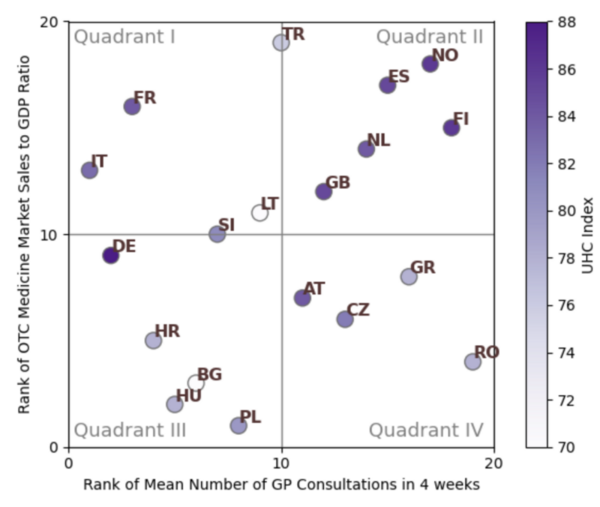
The discussion surrounding self-medication with non-prescription medicines has gained significance in healthcare and public health, particularly given the global increase in consumption of non-prescription drugs. This study aimed to examine the association between the frequency of general practitioner (GP) consultations and the proportion of economic resources spent on OTC medicine.

Read More...