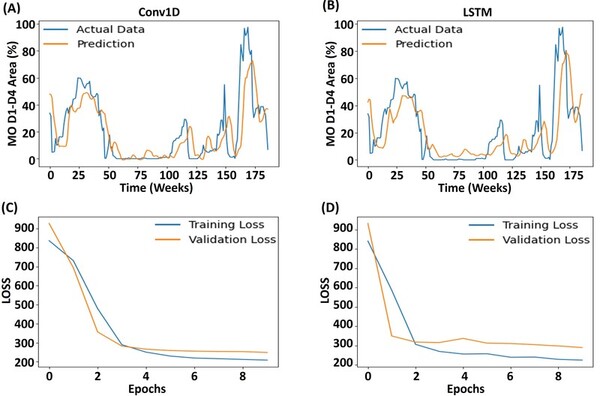
The authors studied the ability of deep learning models to predict droughts in the midwestern United States.
Read More...Drought prediction in the Midwestern United States using deep learning
The authors studied the ability of deep learning models to predict droughts in the midwestern United States.
Read More...Canopy complexity and plant morphology determine detectability in multi-perspective drone imagery
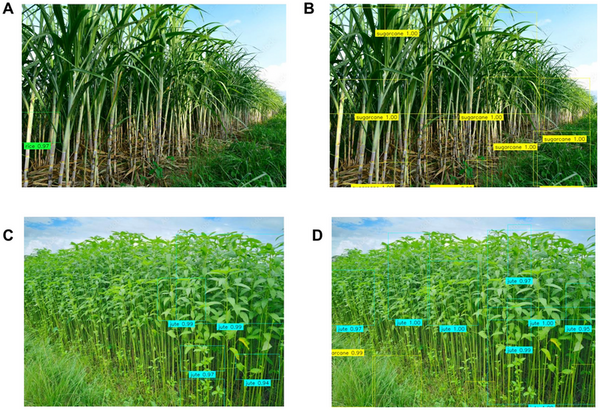
Multi-perspective drone imagery (adding oblique views to top-down shots) raised crop classification accuracy from 35.73% to 52.93% across five species. The improvement scaled with canopy complexity, from +4.2% for simple rice to +38.1% for structurally complex sugarcane.
Read More...Genetic algorithm based features selection for predicting the unemployment rate of India

The authors looked at using genetic algorithms to look at the Indian labor market and what features might best explain any variation seen. They found that features such as economic growth and household consumption, among others, best explained variation.
Read More...Changing public opinions on genetically modified organisms through access to educational resources

Genetically modified organisms (GMOs) are crops or animals that have been genetically engineered to express a certain physical or biological characteristic and have various benefits that have made them become increasingly popular. However, the public has had mixed reactions to the use of GMOs, with some skeptical of their safety. The purpose of this study was to evaluate how opinions on genetically modified foods can change from exposure to small amounts of information
Read More...Vineyard vigilance: Harnessing deep learning for grapevine disease detection
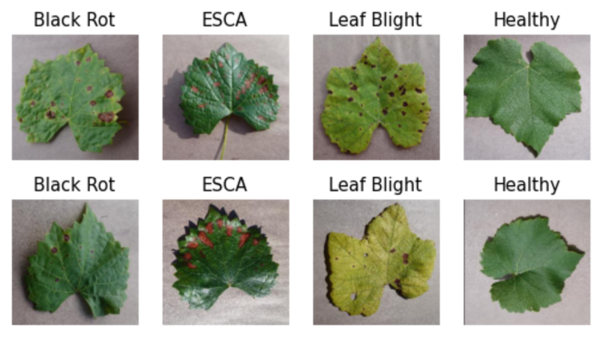
Globally, the cultivation of 77.8 million tons of grapes each year underscores their significance in both diets and agriculture. However, grapevines face mounting threats from diseases such as black rot, Esca, and leaf blight. Traditional detection methods often lag, leading to reduced yields and poor fruit quality. To address this, authors used machine learning, specifically deep learning with Convolutional Neural Networks (CNNs), to enhance disease detection.
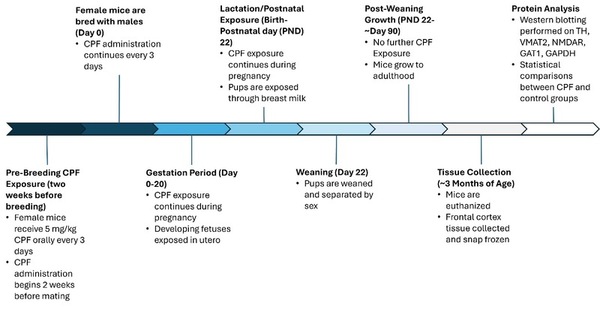
Read More...Chlorpyrifos exposure in mice leads to altered expression of key neurodevelopmental proteins
SmartZoo: A Deep Learning Framework for an IoT Platform in Animal Care
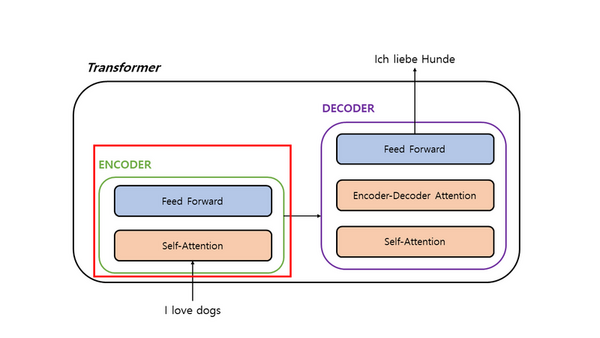
Zoos offer educational and scientific advantages but face high maintenance costs and challenges in animal care due to diverse species' habits. Challenges include tracking animals, detecting illnesses, and creating suitable habitats. We developed a deep learning framework called SmartZoo to address these issues and enable efficient animal monitoring, condition alerts, and data aggregation. We discovered that the data generated by our model is closer to real data than random data, and we were able to demonstrate that the model excels at generating data that resembles real-world data.
Read More...A chemical and overwintering honey bee apiary field study comparing new and expired amitraz miticide
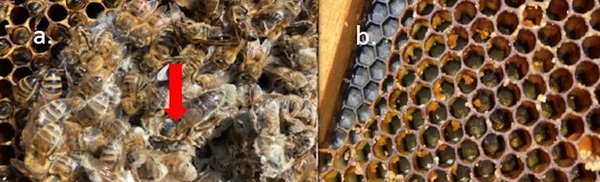
In this study, the authors test the longevity of a anti-mite compound, amitraz, in commercially-sold strips and the age-dependent efficacy of these strips in preventing honey bee colony collapse by ectoparasitic mite Varroa destructor.
Read More...Green Tea Extract as an Environmentally Friendly Antibacterial Agent Against Pseudomonas syringae pv. tomato on Plants

Plant pathogens can cause significant crop loss each year, but controlling them with bactericides or antibiotics can be costly and may be harmful to the environment. Green tea naturally contains polyphenols, which have been shown to have some antimicrobial properties. In this study, the authors show that green tea extract can inhibit growth of the plant pathogen Pseudomonas syringae pv. tomato and may be useful as an alternative bactericide for crops.
Read More...Utilizing meteorological data and machine learning to predict and reduce the spread of California wildfires
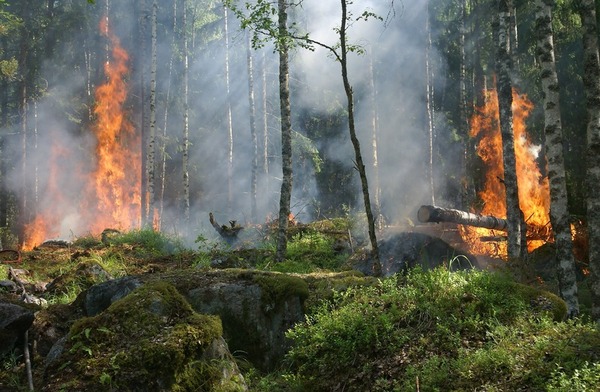
This study hypothesized that a machine learning model could accurately predict the severity of California wildfires and determine the most influential meteorological factors. It utilized a custom dataset with information from the World Weather Online API and a Kaggle dataset of wildfires in California from 2013-2020. The developed algorithms classified fires into seven categories with promising accuracy (around 55 percent). They found that higher temperatures, lower humidity, lower dew point, higher wind gusts, and higher wind speeds are the most significant contributors to the spread of a wildfire. This tool could vastly improve the efficiency and preparedness of firefighters as they deal with wildfires.
Read More...