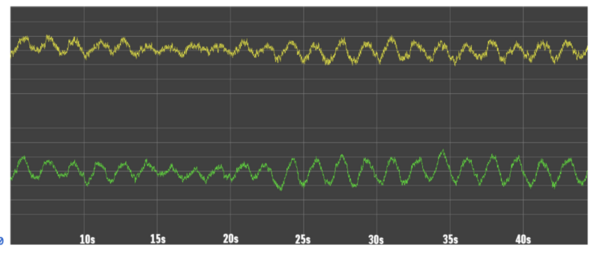
The authors use machine learning to analyze electroencephalogram data and identify slowing patterns that can indicate undetected disorders like epilepsy or dementia
Read More...Temporal characterization of electroencephalogram slowing activity types
The authors use machine learning to analyze electroencephalogram data and identify slowing patterns that can indicate undetected disorders like epilepsy or dementia
Read More...Epileptic seizure detection using machine learning on electroencephalogram data
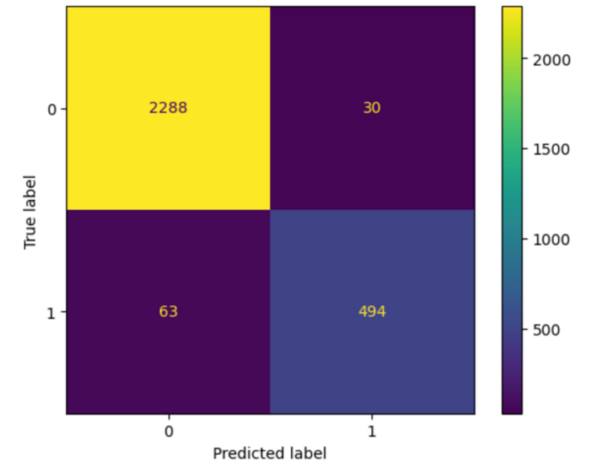
The authors use machine learning and electroencephalogram data to propose a method for improving epilepsy diagnosis.
Read More...Parental exposure of cannabinoids THC and CBD reduces reproductive rates in Drosophila melanogaster
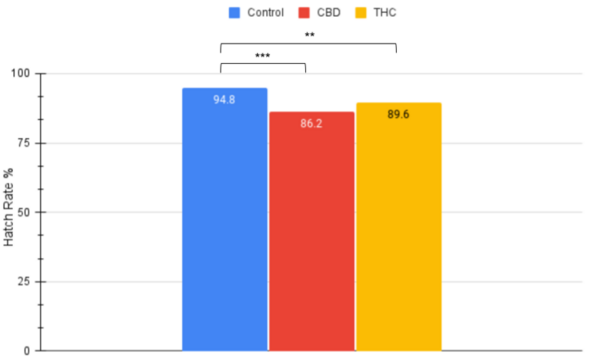
The authors looked at whether CBD and THC would decrease reproductive rates in a Drosophila melanogaster model. They found that CBD had a greater impact on reducing hatching rates than THC, and that THC resulted in unexpected mortalities.
Read More...Evaluating the clinical applicability of neural networks for meningioma tumor segmentation on 3D MRI
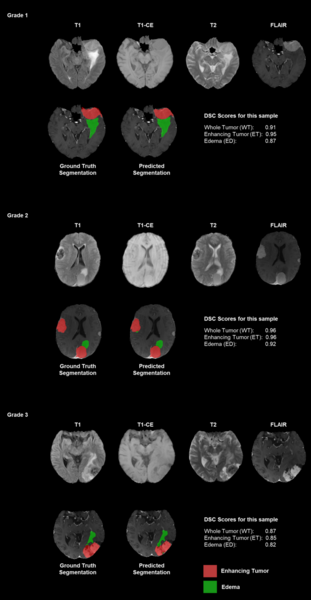
Authors emphasize the challenges of manual tumor segmentation and the potential of deep learning models to enhance accuracy by automatically analyzing MRI scans.
Read More...A cost-effective IoT-based intelligent indoor air quality monitoring
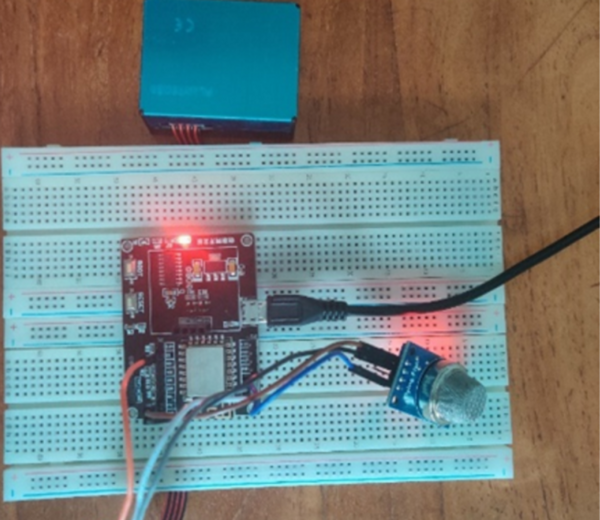
Poor air quality is associated with negative effects on human health but can be difficult to measure in an accurate and cost-effective manner. The authors design and test a monitor for measuring indoor air quality using low-cost components.
Read More...Association between nonpharmacological interventions and dementia: A retrospective cohort study

Here, the authors investigated the role of nonpharmacological interventions in preventing or delaying cognitive impairment in individuals with and without dementia. By using a retrospective case-control study of 22 participants across two senior centers in San Diego, they found no significant differences in self-reported activities. However, they found that their results reflected activity rather than the activity itself, suggesting the need for an alternative type of study.
Read More...Association of depression and suicidal ideation among adults with the use of H2 antagonists

In this study, the authors investigate associations between use of histamine H2 receptor antagonists and suicidal ideation in different age groups.
Read More...Reducing tremors in LRRK2-G2019S genetically-mutated Parkinson’s flies with a lovastatin–levodopa combination
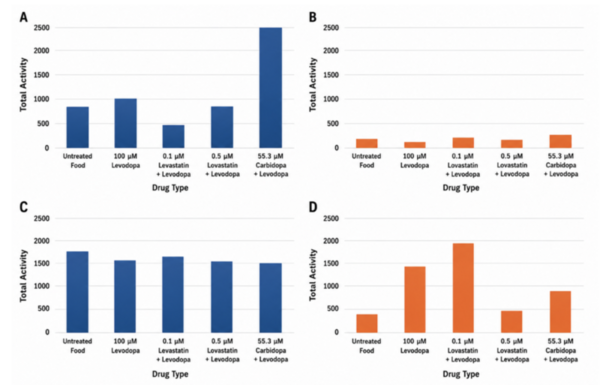
Here the authors investigated alternative treatments for Parkinson's disease tremors, this study tested whether replacing the traditional carbidopa component with lovastatin in a levodopa combination would improve symptom reduction in a Drosophila melanogaster model. The findings revealed that the lovastatin–levodopa combination was more optimal at reducing tremors than the standard treatment, pointing to a potentially superior therapeutic approach for future investigation.
Read More...Measuring effects of caffeine and melatonin on learning trends of Zebrafish juveniles
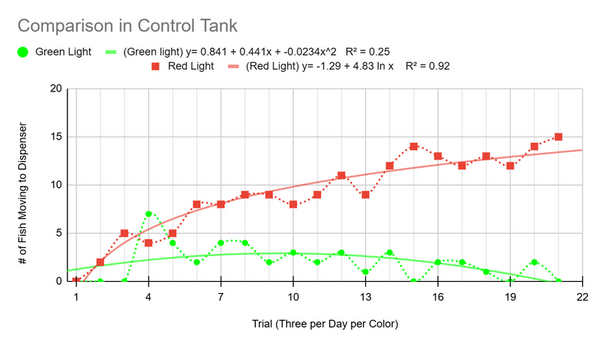
This study investigates how caffeine and melatonin affect learning in adolescent zebrafish, serving as a model for human teens. Using an automated system to track behavior, we found that melatonin slowed learning while caffeine caused erratic, inconsistent responses, suggesting both substances can negatively impact adolescent learning patterns. These findings highlight the need for further research into their physiological effects and potential implications for human adolescents.
Read More...The decision-making process of an MLB batter: effects of feedback stimuli and anxiety on batting performance
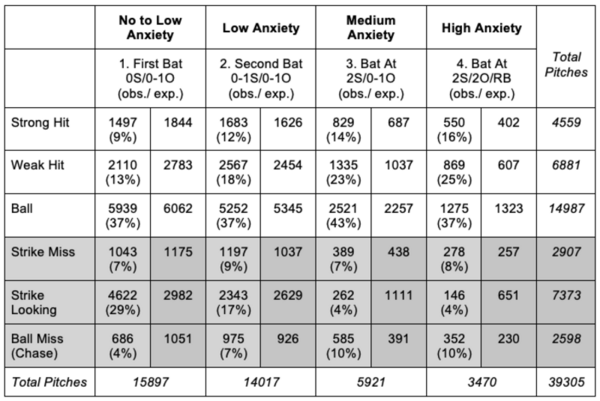
This study examined whether findings from laboratory studies of baseball cognition also apply during real games. Using 2024 MLB data from 30 players, researchers analyzed batting performance under different levels of feedback and anxiety.
Read More...