Browse Articles

The ecological mysteries of Opheodesoma spectabilis : Seasonal trends, habitat preferences, and climate responses

Watson et al. | Jul 26, 2026

The ecological mysteries of <i>Opheodesoma spectabilis</i>	: Seasonal trends, habitat preferences, and climate responses

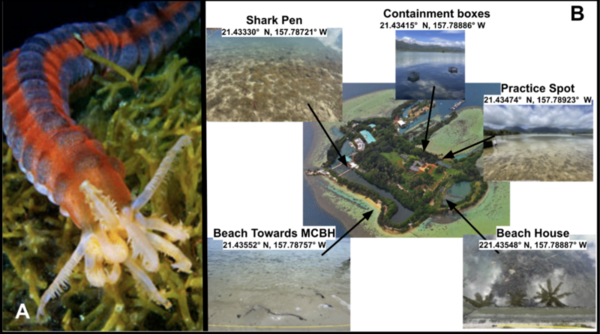
This study examines how environmental conditions influence the abundance and ecological role of the sea cucumber Opheodesoma spectabilis in Kāneʻohe Bay. Field observations and laboratory experiments showed that the species is more common in algae-dominated sandy habitats, where it improves water clarity and increases dissolved oxygen through bioturbation. However, exposure to very high temperatures caused rapid mortality, suggesting that marine heat waves could threaten this species and the ecological functions it provides.

Read More...

Association between nonpharmacological interventions and dementia: A retrospective cohort study

Yerabandi et al. | Jan 09, 2023

Association between nonpharmacological interventions and dementia: A retrospective cohort study
Image credit: Ross Sneddon

Here, the authors investigated the role of nonpharmacological interventions in preventing or delaying cognitive impairment in individuals with and without dementia. By using a retrospective case-control study of 22 participants across two senior centers in San Diego, they found no significant differences in self-reported activities. However, they found that their results reflected activity rather than the activity itself, suggesting the need for an alternative type of study.

Read More...

Using the COmplex PAthway SImulator, Stage Analysis, and Chemical Kinetics to Develop a Novel Solution to Lower Tau Concentrations in Alzheimer’s Disease

Carroll et al. | Sep 28, 2020

Using the COmplex PAthway SImulator, Stage Analysis, and Chemical Kinetics to Develop a Novel Solution to Lower Tau Concentrations in Alzheimer’s Disease

In this study, the authors ask whether a Tau immunotherapy treatment, Hsp70 protein treatment, or dual treatment approach of both the Tau imunotherapy treatment and Hsp70 protein treatment leads to a greater reduction in Tau protein concentration in Alzheimer's disease. Overall, they conclude that the effectiveness of the treatment ultimately relies on the stage of Alzheimer’s.

Read More...

People’s Preference to Bet on Home Teams Even When Losing is Likely

Weng et al. | Mar 10, 2020

People’s Preference to Bet on Home Teams Even When Losing is Likely

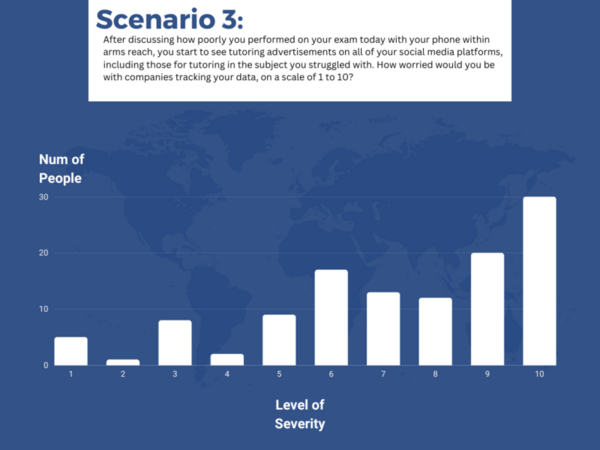
In this study, the authors investigate situations in which people make sports bets that seem to go against their better judgement. Using surveys, individuals were asked to bet on which team would win in scenarios when their home team was involved and others when they were not to determine whether fandom for a team can overshadow fans’ judgment. They found that fans bet much more on their home teams than neutral teams when their team was facing a large deficit.

Read More...

Varying Growth Hormone Levels in Chondrocytes Increases Proliferation Rate and Collagen Production by a Direct Pathway

Bennett et al. | Sep 03, 2019

Varying Growth Hormone Levels in Chondrocytes Increases Proliferation Rate and Collagen Production by a Direct Pathway

Bennett and Joykutty test whether growth hormone directly or indirectly affected the rate at which cartilage renewed itself. Growth hormone could exert a direct effect on cartilage or chondrocytes by modifying the expression of different genes, whereas an indirect effect would come from growth hormone stimulating insulin-like growth factor. The results from this research support the hypothesis that growth hormone increases proliferation rate using the direct pathway. This research can be used in the medical sciences for people who suffer from joint damage and other cartilage-related diseases, since the results demonstrated conditions that lead to increased proliferation of chondrocytes. These combined results could be applied in a clinical setting with the goal of allowing patient cartilage to renew itself at a faster pace, therefore keeping those patients out of pain from these chondrocyte-related diseases.

Read More...

The Potential of Fibroblast Growth Factors to Stimulate Hair Growth In Vitro

Cheng et al. | Nov 07, 2021

The Potential of Fibroblast Growth Factors to Stimulate Hair Growth In Vitro

Identifying treatments that can stimulate hair growth use could help those struggling with undesirable hair loss. Here, the authors show that Fibroblast Growth Factors can stimulate the division of cells isolated from the mouse hair follicle. Their results suggest that this family of growth factors might be helpful in stimulating hair growth in living animals as well.

Read More...